En este provocador nuevo estudio, el historiador napoleónico Alexander Mikaberidze reconsidera la campaña napoleónica de 1812 y vuelve a relatar la apasionante historia de la batalla de Borodinó, terrible y épica a partes iguales, en la que conjuga con espíritu crítico un abrumador compendio de fuentes francesas, alemanas, británicas y, por supuesto, rusas.
Desde cuatro líneas conductoras arranca esta historia de Quintana Roo: la diversidad cultural y étnica, la particularidad del estado, la viabilidad y el peligro de desaparición y mutilación, el periodo de la presidencia de Adolfo López Mateos y la gubernatura de Javier Rojo Gómez, hasta la explosión social y económica que caracteriza hoy a Quintana Roo.
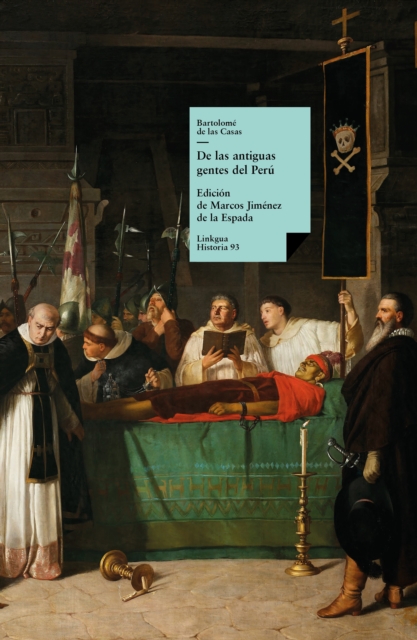
Basta esta cita de De las antiguas gentes del Perú para comprender la idea del "buen gobierno" de los Incas descrita por Bartolomé de las Casas:Consideraba en esta visita de la tierra, si se podía hacer alguna semilla o árboles y frutales que no fructificaban, o no tanto, en otras partes, y era necesaria, y traía de otra tierra hombres que la supiesen sembrar y cultivar y a los naturales de allí lo enseñasen; a los cuales mandaba galardonar y repartir tierras y solares para sus casas y heredades.
El interes por la geografia es cada vez mayor, debido a su relacion con el medio ambiente, que es hoy una de las grandes preocupaciones de la humanidad.
En aquest recull d'articles publicats al diari Ara l'any 2012, Albert Sánchez Piñol recupera cinc exterminis ignorats de diversos grups ètnics que han desaparegut en el no-res, i s'han endut amb ells una manera única de viure l'experiència humana.
Historia de Sinaloa que incluye los hechos más trascendentes para la formación del estado actual, presentados como una serie de acontecimientos que se suceden de manera concatenada a lo largo de cinco siglos.
Lo que todo revolucionario debe saber sobre la represion relata los metodos de la Ojrana, la policia secreta zarista, en visperas de la Revolucion de Octubre en Rusia, da consejos practicos al militante para evitar la vigilancia y expone la justificacion leninista del uso revolucionario de la represion politica.
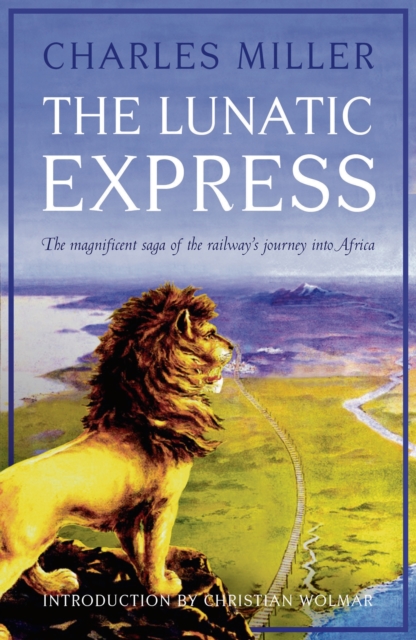
In 1895, George Whitehouse arrived at the east African post of Mombasa to perform an engineering miracle: the building of the Mombasa-Nairobi-Lake Victoria Railway a 600-mile route that was largely unmapped and barely explored.
Die voranschreitenden Prozesse der Digitalisierung und Virtualisierung menschlicher Lebenswelten eröffnen vielfältige Möglichkeiten, stellen aber auch vor neue Herausforderungen.
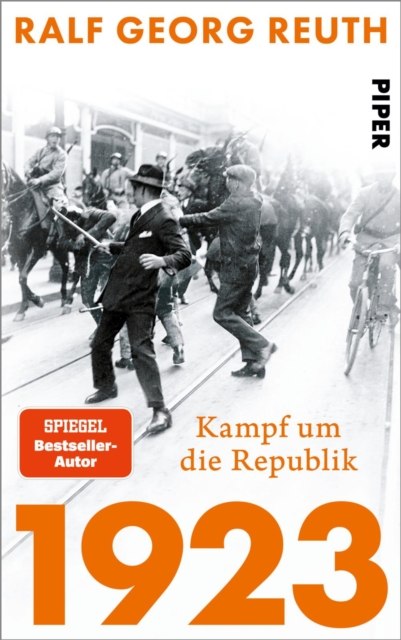
Bevor die Zwanziger golden wurden – 1923Das unter den Folgen des verlorenen Weltkriegs ächzende Deutschland kann die ihm auferlegten Reparationen nicht mehr leisten.
Nacido en Oakland, una de las plantaciones de la familia Nelson, en el pueblo de Beaverdam en el condado de Hanover, Virginia, hijo de John Page y Elizabeth Burwell Nelson.
31 Karlsruher Kinder, mittlerweile erwachsen und gestandene Persönlichkeiten, erzählen in diesem Buch von ihrer Kindheit und Jugend in der Fächerstadt.
31 Karlsruher Kinder, mittlerweile erwachsen und gestandene Persönlichkeiten, erzählen in diesem Buch von ihrer Kindheit und Jugend in der Fächerstadt.
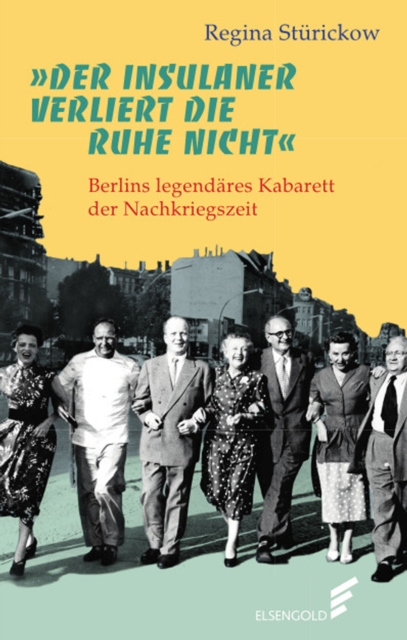
Erste Biografie über die Bühnenkönige der Zwanziger JahreBerlin in den "Goldenen Zwanzigern": Das Metropol-Theater, das Residenz-Theater, das Theater des Westens, das Lessing-Theater, der Admiralspalast und andere mehr sind als die "Rotterbühnen" bekannt.
Originalmente publicado en 2009, el presente libro fue escrito bajo la circunstancia extraordinaria que significó la elección de Barak Obama como Presidente de Estados Unidos.
Entre los deberes espirituales de su sacerdocio y las ataduras temporales de su entorno, los curas de almas en la monarquía hispánica vivieron complejos procesos relacionados con la administración parroquial, las gestiones episcopales y reales, y la búsqueda de ascensos en sus trayectorias clericales.
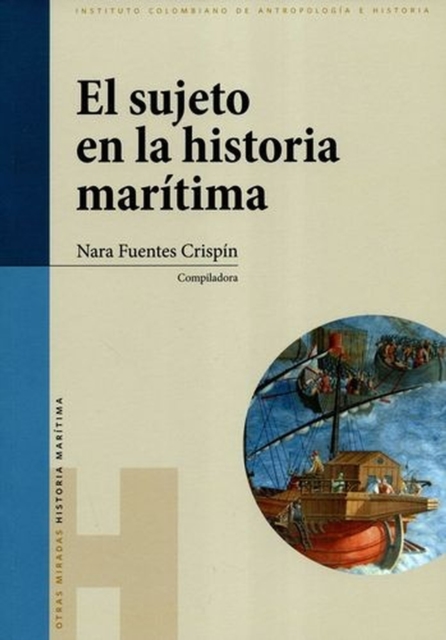
Desde los aportes de los debates historiográficos europeos de los años cincuenta y el giro humanista en las ciencias sociales, se considera un conjunto de categorías de unos transdisciplinar, como la representación y la alteridad, entre otras, que permiten dilucidar las posibilidades epistémicas de un sujeto propio de la historia marítima, de gran utilidad a los estudios sobre la América colonia.
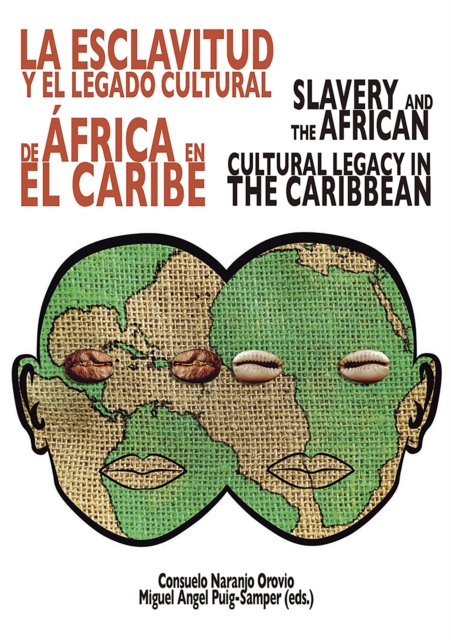
El propósito de esta obra es dar a conocer a un público amplio uno de los fenómenos de mayor trascendencia y vergüenza para la humanidad como fue la esclavización de más de doce millones y medio de africanos que fueron trasladados a América, obligados a trabajar y vivir como esclavos.
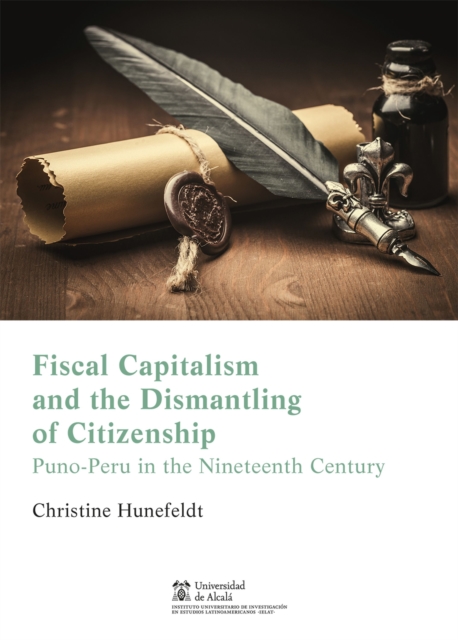
This excellent history of Peru proposes and proves an entirely new thesis on its nineteenth century: the changes in its economy that might have led to a better future were undone by taxes and other demands at the national, provincial and local levels.