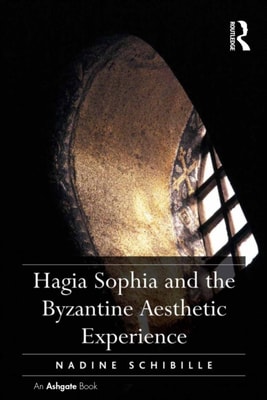
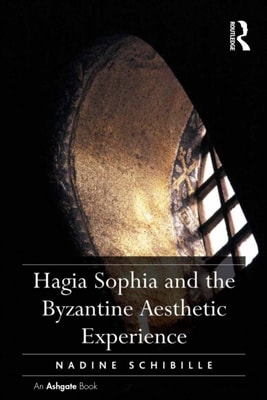
This is a study of ekphrasis, the art of making listeners and readers 'see' in their imagination through words alone, as taught in ancient rhetorical schools and as used by Greek writers of the Imperial period (2nd-6th centuries CE).
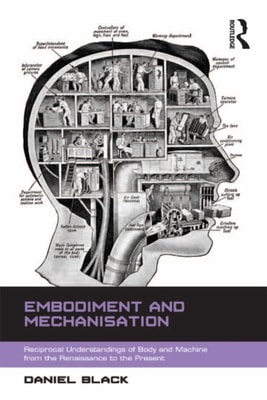
Drawing on philosophical, neurological and cultural answers to the question of what constitutes a body, this book explores the interaction between mechanistic beliefs about human bodies and the successive technologies that have established and illustrated these beliefs.
Drawing on philosophical, neurological and cultural answers to the question of what constitutes a body, this book explores the interaction between mechanistic beliefs about human bodies and the successive technologies that have established and illustrated these beliefs.
The Scottish Enlightenment was a period of intellectual and scientific progress, in a country previously considered to be marginal to the European intellectual scene.
The Scottish Enlightenment was a period of intellectual and scientific progress, in a country previously considered to be marginal to the European intellectual scene.
Uniting a team of international and interdisciplinary scholars, this volume considers the views of early twentieth-century European thinkers on the creation, dissemination and management of publicly available information.
Uniting a team of international and interdisciplinary scholars, this volume considers the views of early twentieth-century European thinkers on the creation, dissemination and management of publicly available information.
This book highlights the recent re-emergence of Edward Westermarck's work in modern approaches to morality and altruism, examining his importance as one of the founding fathers of anthropology and as a moral relativist, who identified our moral feelings with biologically-evolved retributive emotions.
This volume brings together a series of papers at Kalamazoo as well as some contributed papers inspired by the fiftieth anniversary of the publication of Lynn White Jr.
This volume brings together a series of papers at Kalamazoo as well as some contributed papers inspired by the fiftieth anniversary of the publication of Lynn White Jr.
Though Bartolomeo Scappi's Opera (1570), the first illustrated cookbook, is well known to historians of food, up to now there has been no study of its illustrations, unique in printed books through the early seventeenth century.
Though Bartolomeo Scappi's Opera (1570), the first illustrated cookbook, is well known to historians of food, up to now there has been no study of its illustrations, unique in printed books through the early seventeenth century.
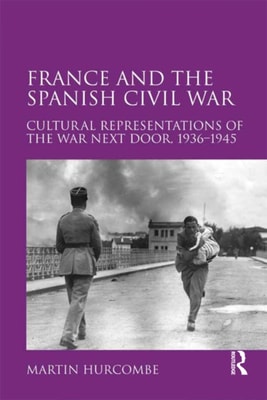
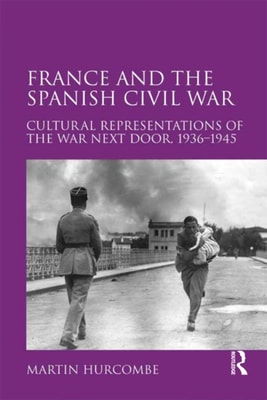
In this wide-ranging study of French intellectuals who represented the Spanish Civil War as it was happening and in its immediate aftermath, Martin Hurcombe explores the ways in which these individuals addressed national anxieties and shaped the French political landscape.
In this wide-ranging study of French intellectuals who represented the Spanish Civil War as it was happening and in its immediate aftermath, Martin Hurcombe explores the ways in which these individuals addressed national anxieties and shaped the French political landscape.
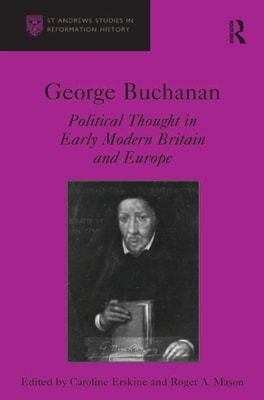
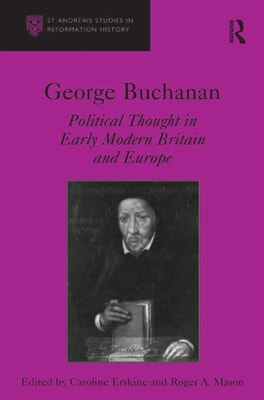
George Buchanan (1506-82) was the most distinguished Scottish humanist of the sixteenth century with an unparalleled contemporary reputation as a Latin poet, playwright, historian and political theorist.
George Buchanan (1506-82) was the most distinguished Scottish humanist of the sixteenth century with an unparalleled contemporary reputation as a Latin poet, playwright, historian and political theorist.
Spatial disorientation is of key relevance to our globalized world, eliciting complex questions about our relationship with technology and the last remaining vestiges of our animal nature.
Spatial disorientation is of key relevance to our globalized world, eliciting complex questions about our relationship with technology and the last remaining vestiges of our animal nature.
Concepts of God presented by Greek philosophers were significantly different from the image of the divine of popular religion and indicate a fairly sophisticated theological reflection from the very inception of Greek philosophy.
Concepts of God presented by Greek philosophers were significantly different from the image of the divine of popular religion and indicate a fairly sophisticated theological reflection from the very inception of Greek philosophy.
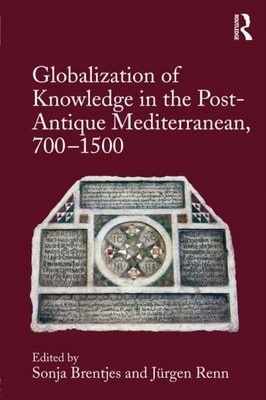
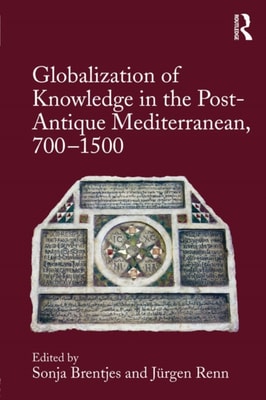
The contributions to this volume enter into a dialogue about the routes, modes and institutions that transferred and transformed knowledge across the late antique Mediterranean and the Persian Gulf.
The contributions to this volume enter into a dialogue about the routes, modes and institutions that transferred and transformed knowledge across the late antique Mediterranean and the Persian Gulf.
Using empirical research to explore medieval writers' imaginings of time, this study presents a new morphology by which to study narratives of time in fifteenth-century literary culture, focusing on poems of John Lydgate and Thomas Hoccleve.
Using empirical research to explore medieval writers' imaginings of time, this study presents a new morphology by which to study narratives of time in fifteenth-century literary culture, focusing on poems of John Lydgate and Thomas Hoccleve.
Intellectual Politics and Cultural Conflict in the Romantic Period maps the intellectual formation of English plebeian radicalism and Scottish philosophic Whiggism over the long eighteenth century and examines their associated strategies of critical engagement with the cultural, social and political crises of the early nineteenth century.
Intellectual Politics and Cultural Conflict in the Romantic Period maps the intellectual formation of English plebeian radicalism and Scottish philosophic Whiggism over the long eighteenth century and examines their associated strategies of critical engagement with the cultural, social and political crises of the early nineteenth century.
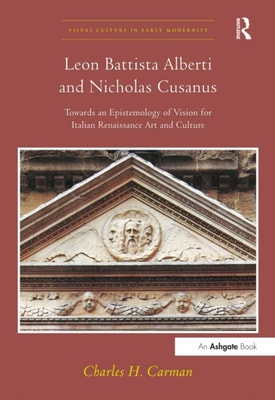
Providing a fresh evaluation of Alberti's text On Painting (1435), along with comparisons to various works of Nicholas Cusanus - particularly his Vision of God (1450) - this study reveals a shared epistemology of vision.
Providing a fresh evaluation of Alberti's text On Painting (1435), along with comparisons to various works of Nicholas Cusanus - particularly his Vision of God (1450) - this study reveals a shared epistemology of vision.
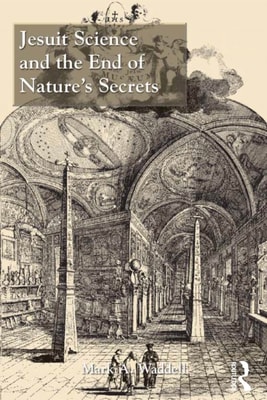
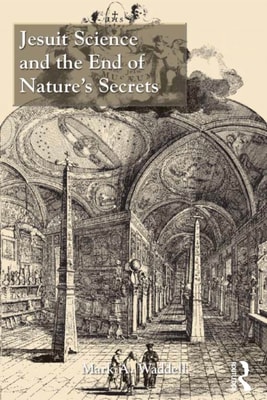
Jesuit Science and the End of Nature's Secrets explores how several prominent Jesuit naturalists - including NiccolA2 Cabeo, Athanasius Kircher, and Gaspar Schott - tackled the problem of occult or insensible causation in the seventeenth century.
Jesuit Science and the End of Nature's Secrets explores how several prominent Jesuit naturalists - including NiccolA2 Cabeo, Athanasius Kircher, and Gaspar Schott - tackled the problem of occult or insensible causation in the seventeenth century.