Elizabeth and James, Sidney, Spenser, and Shakespeare, Bacon and Ellesmere, Perkins and Laud, Milton and Hobbes-this begins a list of early modern luminaries who write on 'equity'.
Elizabeth and James, Sidney, Spenser, and Shakespeare, Bacon and Ellesmere, Perkins and Laud, Milton and Hobbes-this begins a list of early modern luminaries who write on 'equity'.
Drawing on politics, religion, law, literature, and philosophy, this interdisciplinary study is a sequel to Mark Fortier's bookThe Culture of Equity in Early Modern England (Ashgate, 2006).
Drawing on politics, religion, law, literature, and philosophy, this interdisciplinary study is a sequel to Mark Fortier's bookThe Culture of Equity in Early Modern England (Ashgate, 2006).
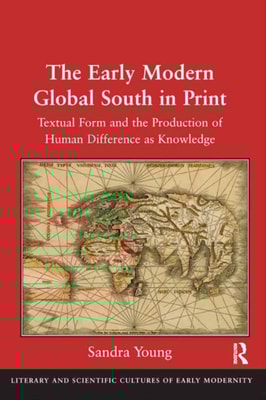
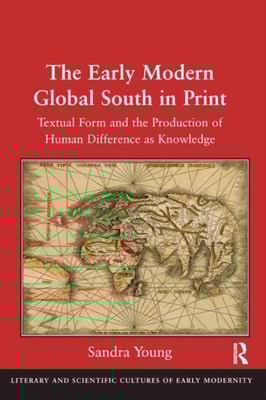
Early modern geographers and compilers of travel narratives drew on a lexicon derived from cartography's seemingly unchanging coordinates to explain human diversity.
Early modern geographers and compilers of travel narratives drew on a lexicon derived from cartography's seemingly unchanging coordinates to explain human diversity.
With its many rites of initiation (religious, educational, professional or sexual), Elizabethan and Jacobean education emphasized both imitation and discovery in a struggle to bring population to a minimal literacy, while more demanding techniques were being developed for the cultural elite.
With its many rites of initiation (religious, educational, professional or sexual), Elizabethan and Jacobean education emphasized both imitation and discovery in a struggle to bring population to a minimal literacy, while more demanding techniques were being developed for the cultural elite.
Dominated by Darwinism and the numerous guises it assumed, evolutionary theory was a source of opportunities and difficulties for late Victorian novelists.
Dominated by Darwinism and the numerous guises it assumed, evolutionary theory was a source of opportunities and difficulties for late Victorian novelists.
Whilst terms such as Lebensraum are commonly associated with National-Socialist ideology of the 1930s and 40s, ideas of racial living space were in fact generated in the previous decades by an international geographic community of explorers and academics.
Whilst terms such as Lebensraum are commonly associated with National-Socialist ideology of the 1930s and 40s, ideas of racial living space were in fact generated in the previous decades by an international geographic community of explorers and academics.
This monograph offers a cultural history of the development of physics in India during the first half of the twentieth century, focusing on Indian physicists Satyendranath Bose (1894-1974), Chandrasekhara Venkata Raman (1888-1970) and Meghnad Saha (1893-1956).
This monograph offers a cultural history of the development of physics in India during the first half of the twentieth century, focusing on Indian physicists Satyendranath Bose (1894-1974), Chandrasekhara Venkata Raman (1888-1970) and Meghnad Saha (1893-1956).
With its challenging, paradoxical thesis that Elizabethan England was a 'republic which happened also to be a monarchy', Patrick Collinson's 1987 essay 'The Monarchical Republic of Queen Elizabeth I' instigated a proliferation of research and lively debate about quasi-republican aspects of Tudor and Stuart England.
With its challenging, paradoxical thesis that Elizabethan England was a 'republic which happened also to be a monarchy', Patrick Collinson's 1987 essay 'The Monarchical Republic of Queen Elizabeth I' instigated a proliferation of research and lively debate about quasi-republican aspects of Tudor and Stuart England.
The eighteenth century has often been viewed as a period of relative decline in the field of microscopy, as interest in microscopes seemed to wane after an intense period of discovery in the seventeenth century.
The eighteenth century has often been viewed as a period of relative decline in the field of microscopy, as interest in microscopes seemed to wane after an intense period of discovery in the seventeenth century.
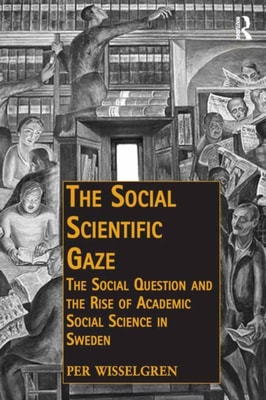
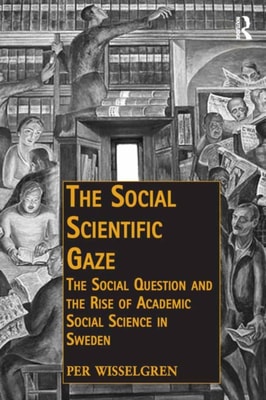
The social sciences have, ever since they were first established as academic disciplines, played a foundational role in most spheres of modern society - in policy-making, education, the media and public debate - and hence also, indirectly, for our self-understanding as social beings.
The social sciences have, ever since they were first established as academic disciplines, played a foundational role in most spheres of modern society - in policy-making, education, the media and public debate - and hence also, indirectly, for our self-understanding as social beings.
Examining the scholarly interest of the last two decades in the origins of logical empiricism, and especially the roots of Rudolf Carnap's Der logische Aufbau der Welt (The Logical Structure of the World), Rosado Haddock challenges the received view, according to which that book should be inserted in the empiricist tradition.
Examining the scholarly interest of the last two decades in the origins of logical empiricism, and especially the roots of Rudolf Carnap's Der logische Aufbau der Welt (The Logical Structure of the World), Rosado Haddock challenges the received view, according to which that book should be inserted in the empiricist tradition.
The cafe is not only a place to enjoy a cup of coffee, it is also a space - distinct from its urban environment - in which to reflect and take part in intellectual debate.
The cafe is not only a place to enjoy a cup of coffee, it is also a space - distinct from its urban environment - in which to reflect and take part in intellectual debate.
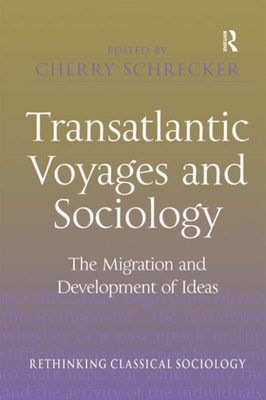
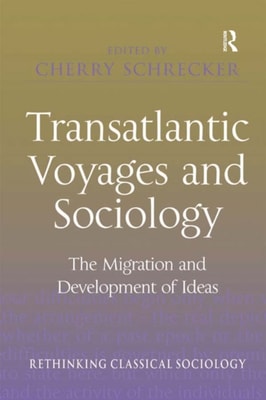
Transatlantic Voyages and Sociology explores the transatlantic journeys which have inspired American and European sociologists and contributed to the development of sociology in Europe and in North America.
Transatlantic Voyages and Sociology explores the transatlantic journeys which have inspired American and European sociologists and contributed to the development of sociology in Europe and in North America.
In 1644, the news that Antonio de Montezinos claimed to have discovered the Lost Tribes of Israel in the jungles of South America spread across Europe fuelling an already febrile atmosphere of messianic and millenarian expectation.
In 1644, the news that Antonio de Montezinos claimed to have discovered the Lost Tribes of Israel in the jungles of South America spread across Europe fuelling an already febrile atmosphere of messianic and millenarian expectation.
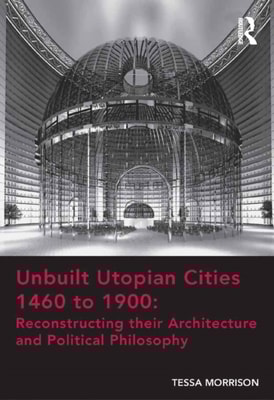
Bringing together ten utopian works that mark important points in the history and an evolution in social and political philosophies, this book not only reflects on the texts and their political philosophy and implications, but also, their architecture and how that architecture informs the political philosophy or social agenda that the author intended.
Bringing together ten utopian works that mark important points in the history and an evolution in social and political philosophies, this book not only reflects on the texts and their political philosophy and implications, but also, their architecture and how that architecture informs the political philosophy or social agenda that the author intended.
Uroscopy - the diagnosis of disease by visual examination of the urine - played a very prominent role in early modern medical practice and in the lives of ordinary people.
Uroscopy - the diagnosis of disease by visual examination of the urine - played a very prominent role in early modern medical practice and in the lives of ordinary people.