A knowledgeable insider provides the first clear view of what has happened in the Arab world and why This important book is not about immediate events or policies or responses to the Arab Spring.
The untold story of Israel’s diplomatic maneuvering in the wake of the Six Day War, which frustrated a possible peace settlement Israel’s victory in the June 1967 Six Day War provided a unique opportunity for resolving the decades-old Arab-Zionist conflict.
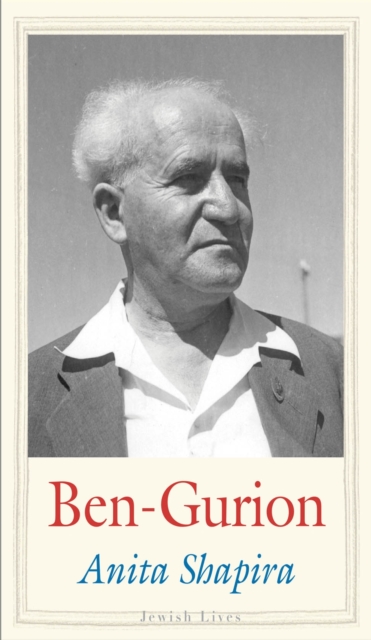
From the prizewinning Jewish Lives series, an insightful study of the inner life of the Zionist leader responsible for the creation of the state of Israel David Ben-Gurion cast a great shadow during his lifetime, and his legacy continues to be sharply debated to this day.
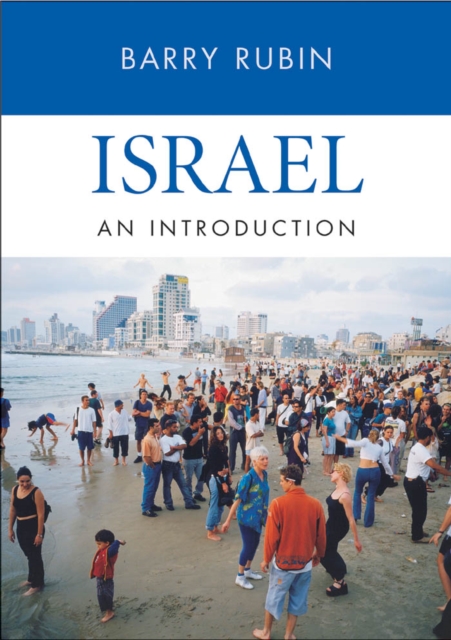
This comprehensive book provides a well-rounded introduction to Israel—a definitive account of the nation's past, its often controversial present, and much more.
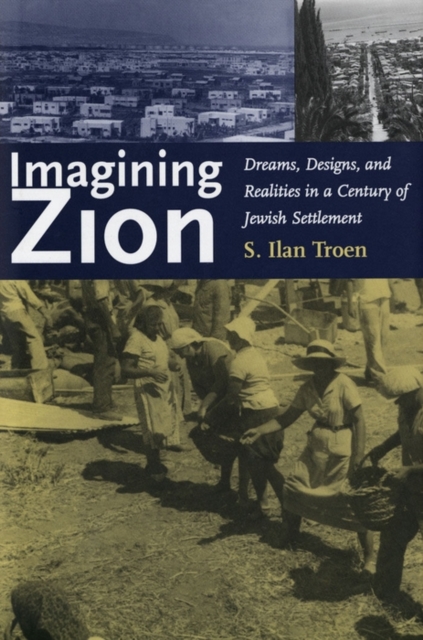
This timely book tells the fascinating story of how Zionists colonizers planned and established nearly 700 agricultural settlements, towns, and cities from the 1880s to the present.
A brilliant survey of the history and civilisations of the Middle East by one of the world's greatest authorities on the subjectIn this immensely readable and wide-ranging book, Bernard Lewis charts the successive transformations of the Middle East, beginning with the two great empires, the Roman and the Persian, and covering the growth of Christianity, the rise and spread of Islam, the waves of invaders from the east, the Mongol hordes of Jengiz Khan, the rise of the Ottoman Turks, and the changing balance of power between the Muslim and Christian worlds.
From the prizewinning Jewish Lives series, an insider’s perspective on the life and influence of Israel’s first native-born prime minister, his bold peace initiatives, and his tragic assassination More than two decades have passed since prime minister Yitzhak Rabin’s assassination in 1995, yet he remains an unusually intriguing and admired modern leader.
An essential gift for every history buff, this boldly illustrated ebook maps out the events that have shaped our world - from the dawn of human civilization to the present day.
'Ahmad has created a moving and visceral account of conflict, hope and the power of music' Hannah Beckerman, ObserverThe incredible and inspirational true story of one young man's struggle to find peace during war, and the power of music to bring hope to a desperate nation.
*FULLY UPDATED WITH A NEW FOREWORD*THE SUNDAY TIMES TOP TEN BESTSELLERWINNER OF THE BRITISH ARMY MILITARY BOOK OF THE YEAR 2016'Truly essential' Simon Sebag MontefioreThe final destruction of the Ottoman Empire - one of the great epics of the First World War, from bestselling historian Eugene RoganFor some four centuries the Ottoman Empire had been one of the most powerful states in Europe as well as ruler of the Middle East.
When a dying King Hussein shocked the world by picking his son rather than his brother, the longtime Crown Prince, to be the next King of Jordan, no one was more surprised than the young head of Special Forces who discovered his life was in for a major upheaval.
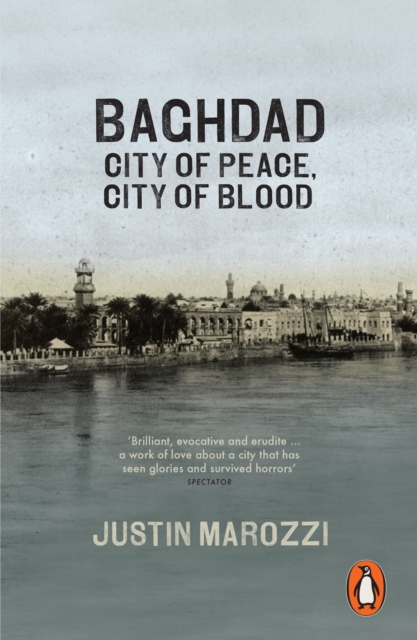
In Baghdad: City of Peace, City of Blood, celebrated young travelwriter-historian Justin Marozzi gives us a many-layered history of one of the world's truly great cities - both its spectacular golden ages and its terrible disasters'Justin Marozzi is the most brilliant of the new generation of travelwriter-historians' - Sunday TelegraphOver thirteen centuries, Baghdad has enjoyed both cultural and commercial pre-eminence, boasting artistic and intellectual sophistication and an economy once the envy of the world.
"e;There are several peculiar features about writing any detailed account of the recent political events in Persia which make necessary some slight explanation.
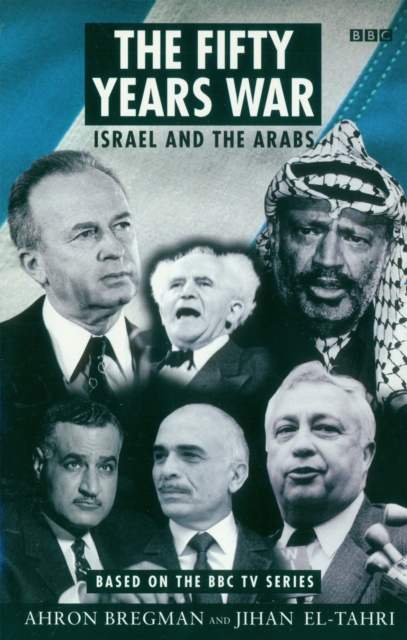
Since the creation of the state of Israel in 1948, the region has been the scene of fierce power struggles, injustice and tragic events - a situation which persists to this day.
Book provides an introduction to the history of ancient Mesopotamia and its civilizations, incorporating archaeological and historical finds up to 1992
Situated in an area roughly corresponding to present-day Iraq, Mesopotamia is one of the great, ancient civilizations, though it is still relatively unknown.
20 November 1979: as morning prayers began, hundreds of hardline Islamist gunmen, armed with rifles smuggled in coffins, stormed the Grand Mosque in Mecca.
The volume comprises lightly annotated translation of a key medieval Arabic text that bears directly on the Crusades and Crusader society and the Muslim experience of them.
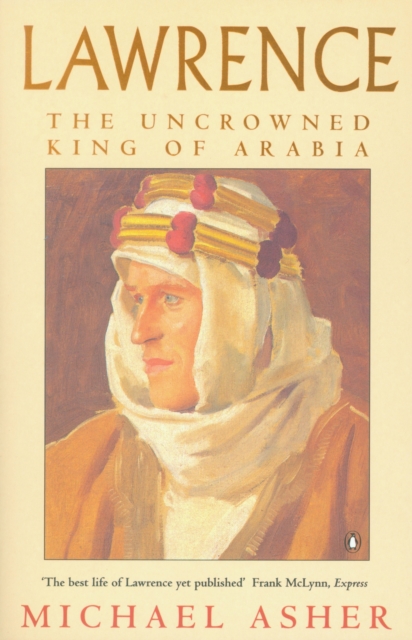
'The best life of Lawrence yet published' - The Express Lawrence was a brilliant propagandist, rhetorician and manipulator, who deliberately turned his life into a conundrum.
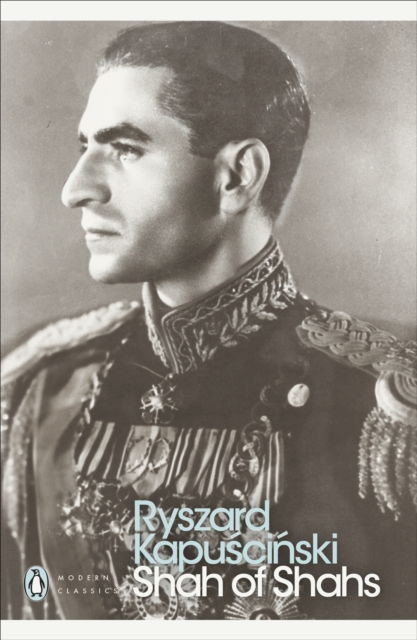
Shah of Shahs depicts the final years of the Shah in Iran, and is a compelling meditation on the nature of revolution and the devastating results of fear.
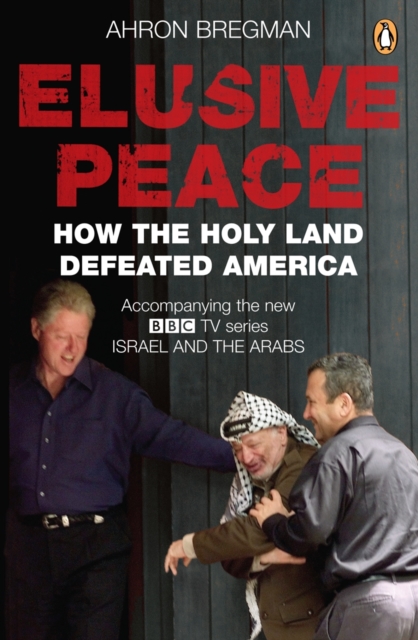
Ehud Barak's election as Prime Minister of Israel on 17th May 1999 and his determination to conclude a peace deal with the Palestinians inspired both Israeli voters and the international community.
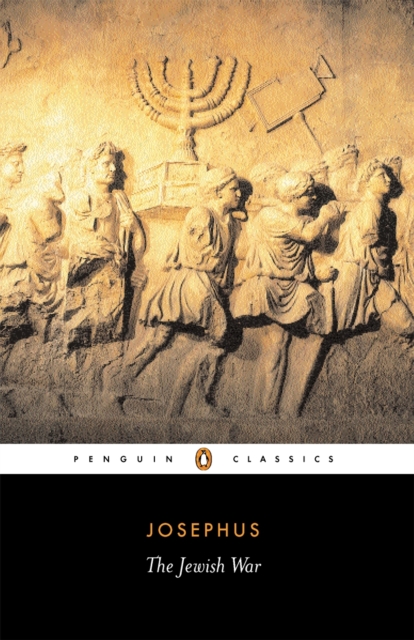
Josephus account of a war marked by treachery and atrocity is a superbly detailed and evocative record of the Jewish rebellion against Rome between AD 66 and 70.
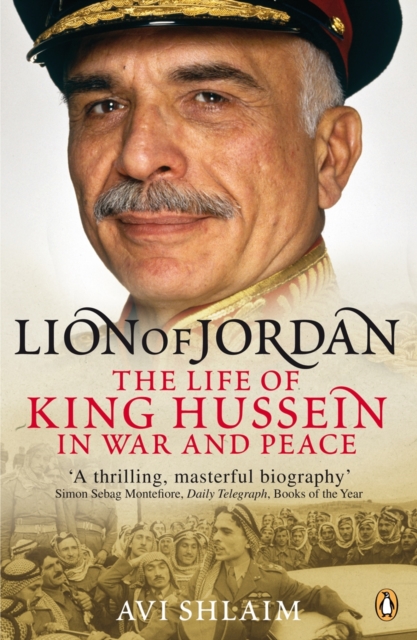
For most of his long reign (1953-1999) Hussein of Jordan was one of the dominant figures in Middle Eastern politics, its most continuous presence, and one of the most consistent proponents of peace with Israel.
How poetic modernism shaped Arabic intellectual debates in the twentieth century and beyondCity of Beginnings is an exploration of modernism in Arabic poetry, a movement that emerged in Beirut during the 1950s and became the most influential and controversial Arabic literary development of the twentieth century.
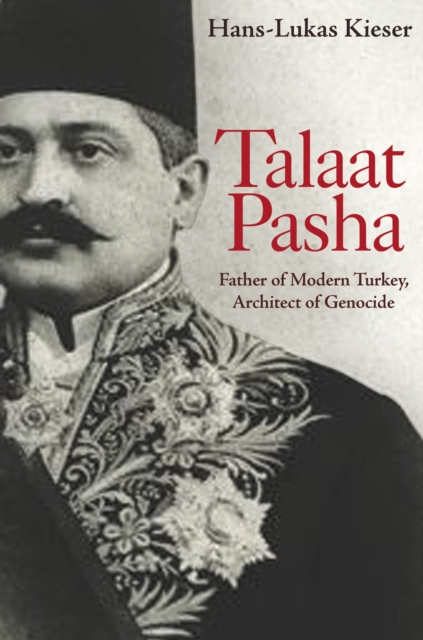
The first English-language biography of the de facto ruler of the late Ottoman Empire and architect of the Armenian GenocideTalaat Pasha (1874-1921) led the triumvirate that ruled the late Ottoman Empire during World War I and is arguably the father of modern Turkey.
The untold story of how the Arabic Qur'an became the English KoranFor millions of Muslims, the Qur'an is sacred only in Arabic, the original Arabic in which it was revealed to the Prophet Muhammad in the seventh century; to many Arab and non-Arab believers alike, the book literally defies translation.