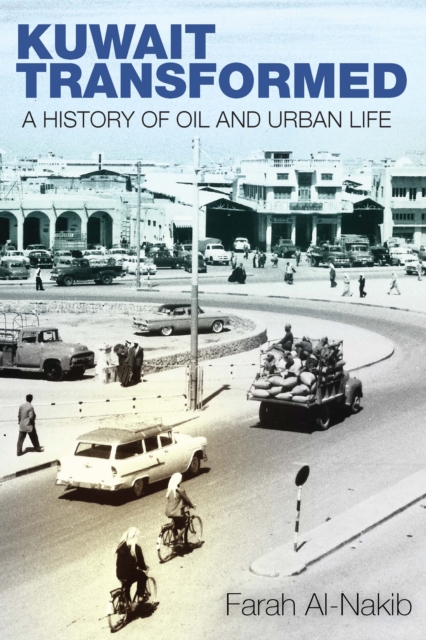
As the first Gulf city to experience oil urbanization, Kuwait City's transformation in the mid-twentieth century inaugurated a now-familiar regional narrative: a small traditional town of mudbrick courtyard houses and plentiful foot traffic transformed into a modern city with marble-fronted buildings, vast suburbs, and wide highways.
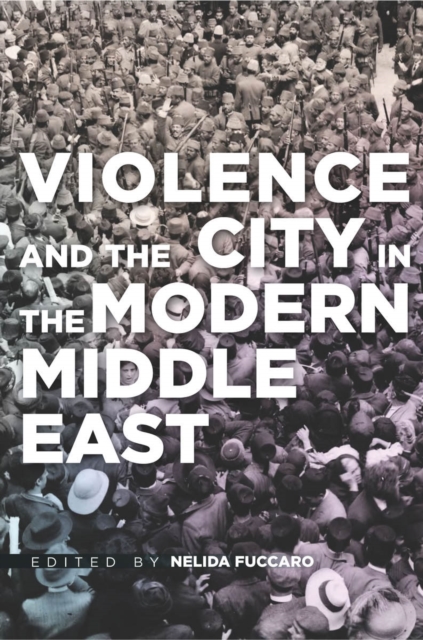
This book explores violence in the public lives of modern Middle Eastern cities, approaching violence as an individual and collective experience, a historical event, and an urban process.
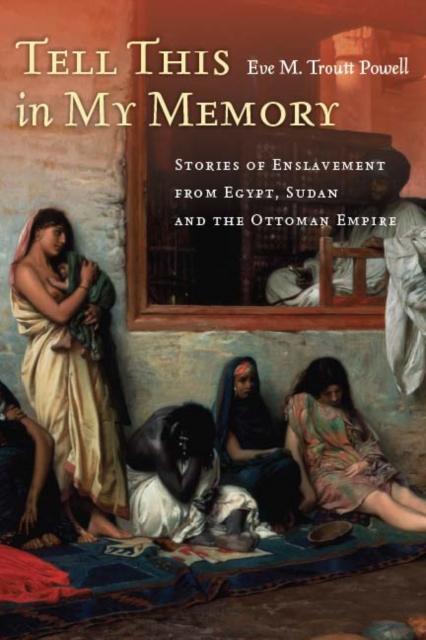
In the late nineteenth century, an active slave trade sustained social and economic networks across the Ottoman Empire and throughout Egypt, Sudan, the Caucasus, and Western Europe.
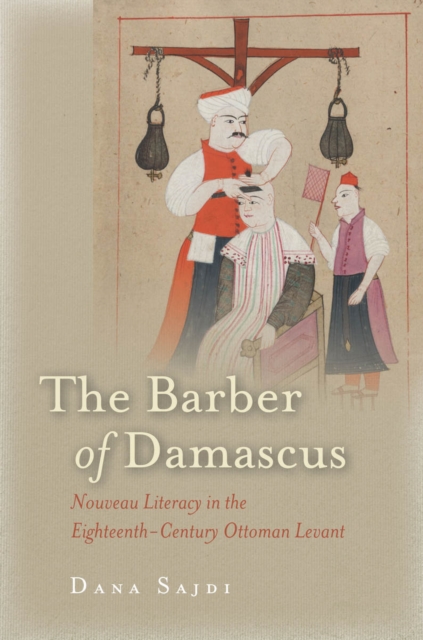
This book is about a barber, Shihab al-Din Ahmad Ibn Budayr, who shaved and coiffed, and probably circumcised and healed, in Damascus in the 18th century.
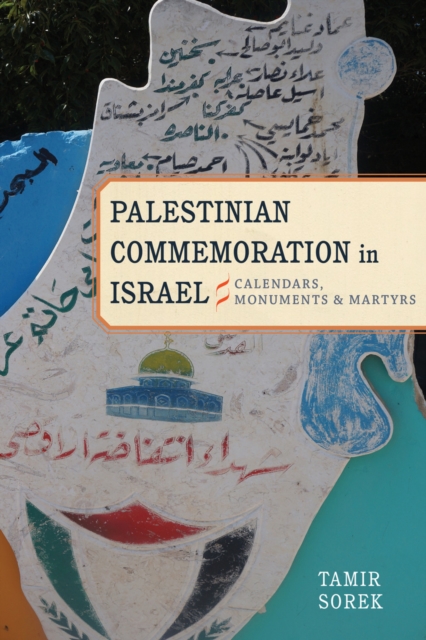
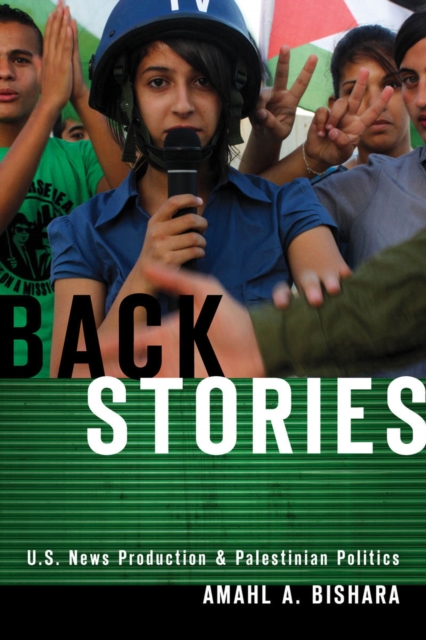
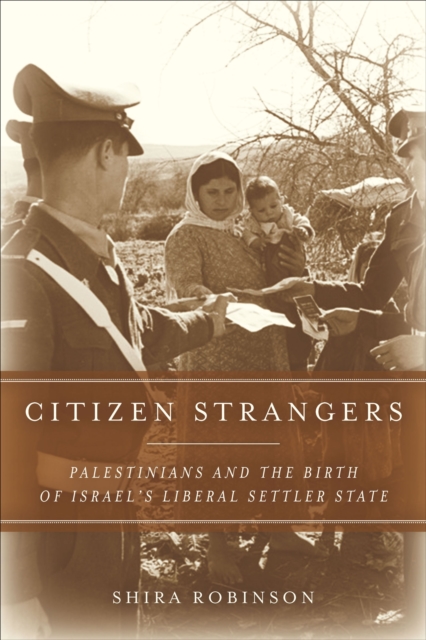
Following the 1948 war and the creation of the state of Israel, Palestinian Arabs comprised just fifteen percent of the population but held a much larger portion of its territory.
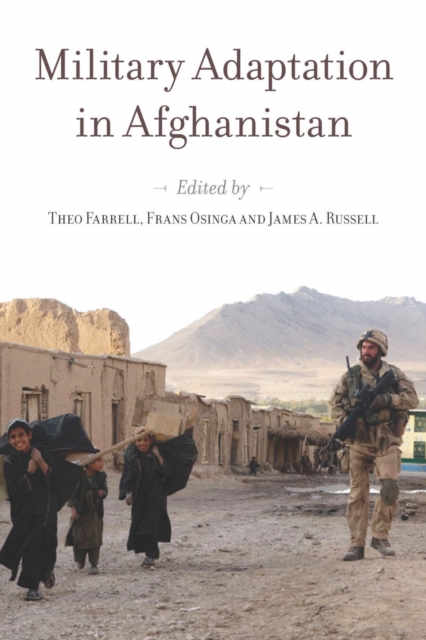
When NATO took charge of the International Security Assistance Force (ISAF) for Afghanistan in 2003, ISAF conceptualized its mission largely as a stabilization and reconstruction deployment.
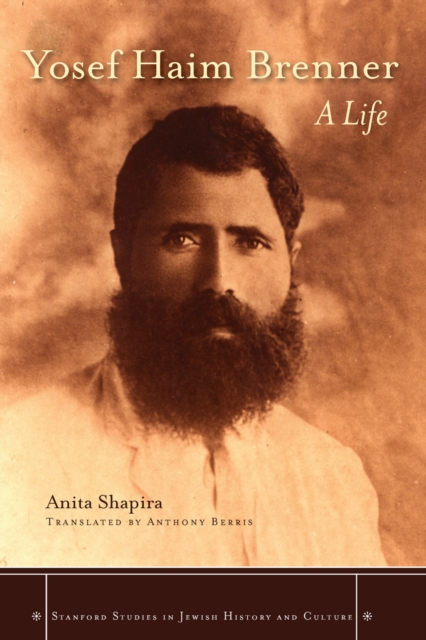
Based on previously unexploited primary sources, this is the first comprehensive biography of Yosef Haim Brenner, one of the pioneers of Modern Hebrew literature.
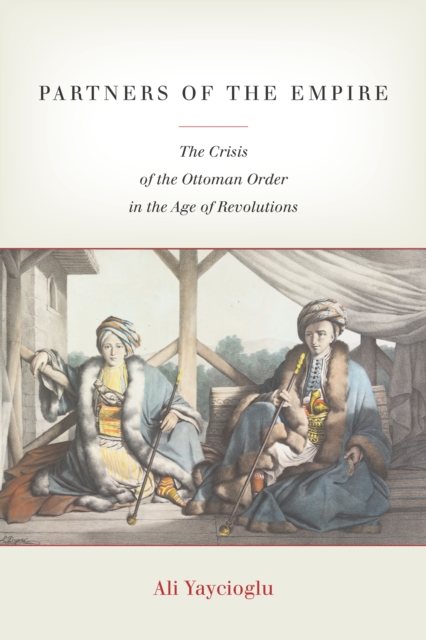
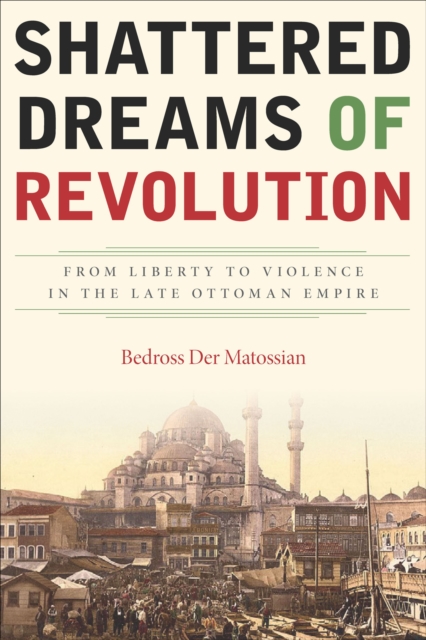
The Ottoman revolution of 1908 is a study in contradictions-a positive manifestation of modernity intended to reinstate constitutional rule, yet ultimately a negative event that shook the fundamental structures of the empire, opening up ethnic, religious, and political conflicts.
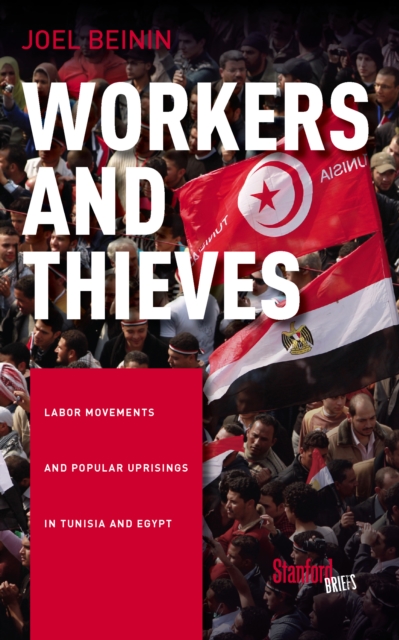
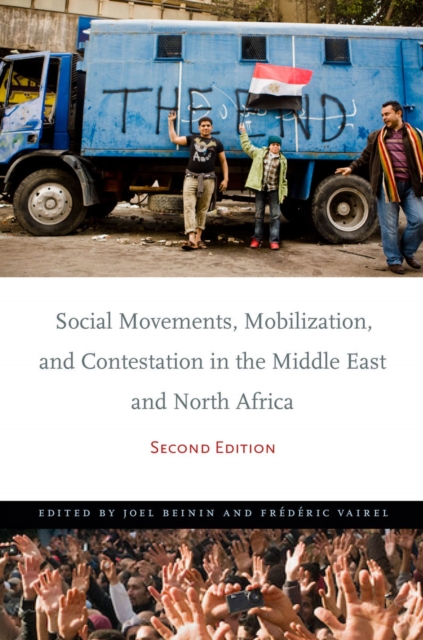
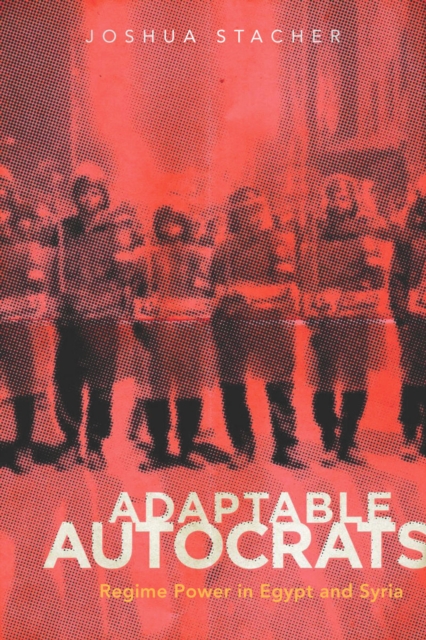
Until the recent uprisings in the Middle East and North Africa, the resilience of authoritarian regimes seemed a fundamental feature of regional politics.
The Jewish migration at the end of the nineteenth and beginning of the twentieth centuries was one of the dramatic events that changed the Jewish people in modern times.
Is the idea of the "e;Middle East"e; simply a geopolitical construct conceived by the West to serve particular strategic and economic interests-or can we identify geographical, historical, cultural, and political patterns to indicate some sort of internal coherence to this label?
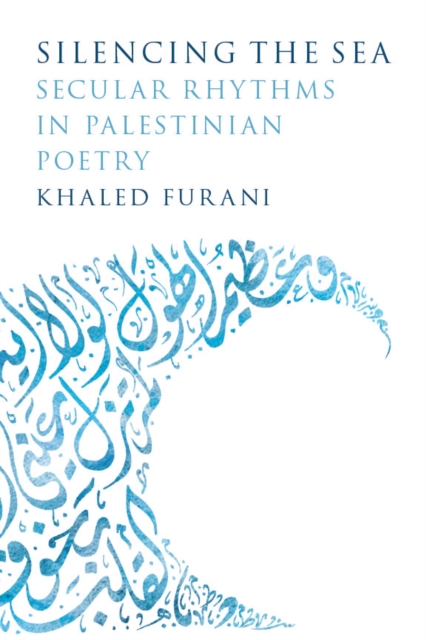
Silencing the Sea follows Palestinian poets' debates about their craft as they traverse multiple and competing realities of secularism and religion, expulsion and occupation, art, politics, immortality, death, fame, and obscurity.
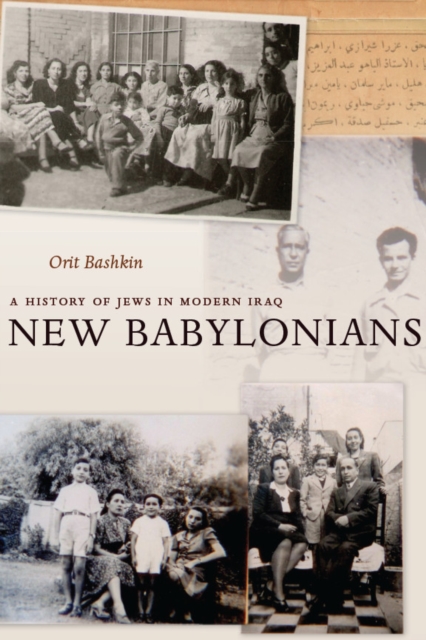
Although Iraqi Jews saw themselves as Iraqi patriots, their community-which had existed in Iraq for more than 2,500 years-was displaced following the establishment of the state of Israel.
Based on archival and primary sources in Persian, Hebrew, Judeo-Persian, Arabic, and European languages, Between Foreigners and Shi'is examines the Jews' religious, social, and political status in nineteenth-century Iran.
This book tells the story of the Donme, the descendents of Jews who resided in the Ottoman Empire and converted to Islam along with their messiah, Rabbi Shabbatai Tzevi, in the seventeenth century.
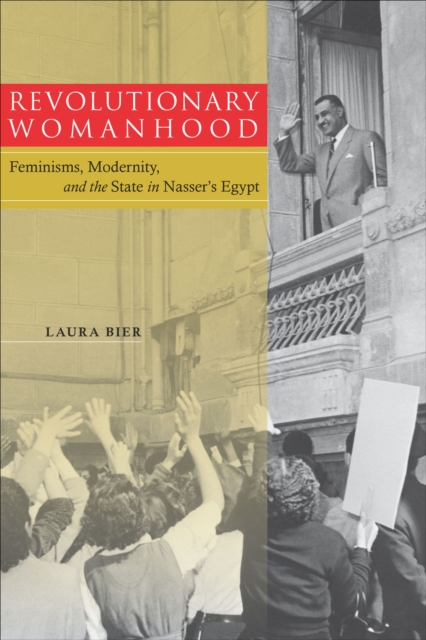
"e;Laura Bier unpacks the complicated dynamics and legacy of an historical moment in which women were understood to be crucial to modern nation-building.
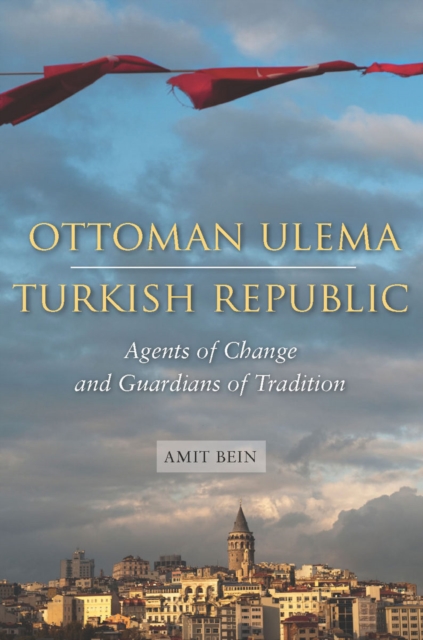
To better understand the diverse inheritance of Islamic movements in present-day Turkey, we must take a closer look at the religious establishment, the ulema, during the first half of the twentieth century.
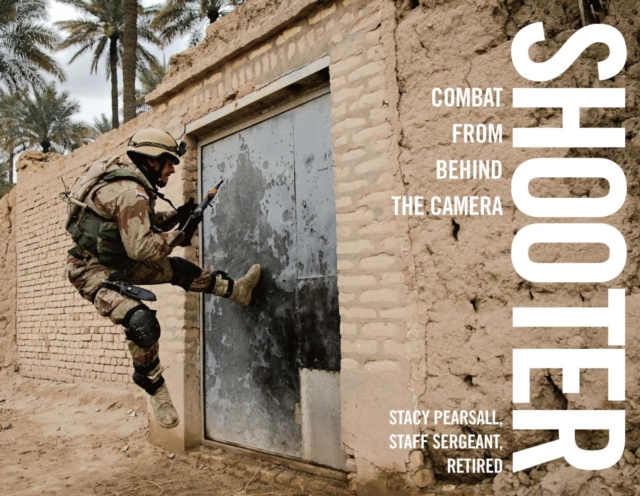
Shooter is avisual portrait of war--the perseverance, heroism, and survival--narrated through stunning photographs and powerful essays from a female combat photographer.
In this book, author Nader Moumneh-a Canadian senior policy adviser of Lebanese descent- examines the research of the formation and evolution of the Christian resistance in Lebanon he performed as a graduate student at the American University of Beirut in the early 1990s.