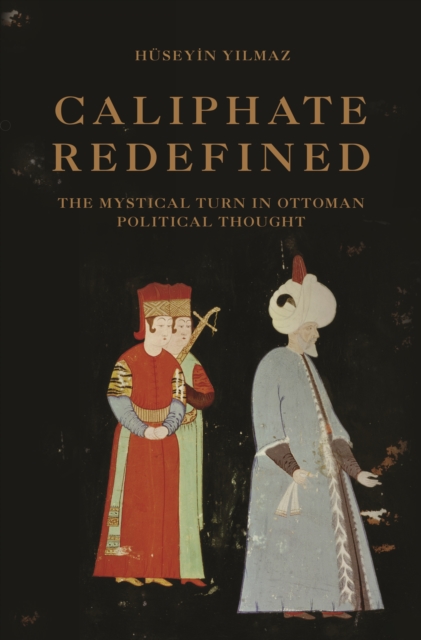
How the Ottomans refashioned and legitimated their rule through mystical imageries of authorityThe medieval theory of the caliphate, epitomized by the Abbasids (750-1258), was the construct of jurists who conceived it as a contractual leadership of the Muslim community in succession to the Prophet Muhammed's political authority.
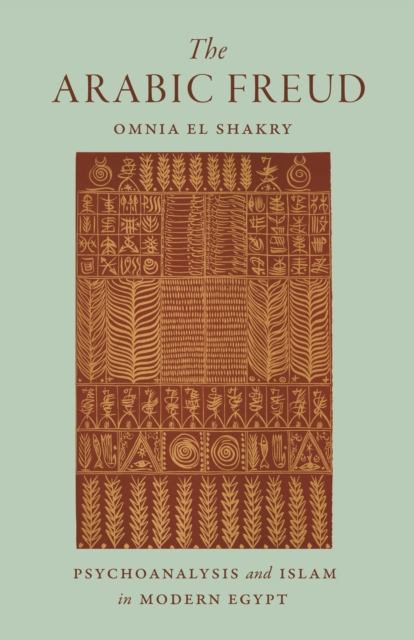
The first in-depth look at how postwar thinkers in Egypt mapped the intersections between Islamic discourses and psychoanalytic thoughtIn 1945, psychologist Yusuf Murad introduced an Arabic term borrowed from the medieval Sufi philosopher and mystic Ibn 'Arabi-al-la-shu'ur-as a translation for Sigmund Freud's concept of the unconscious.
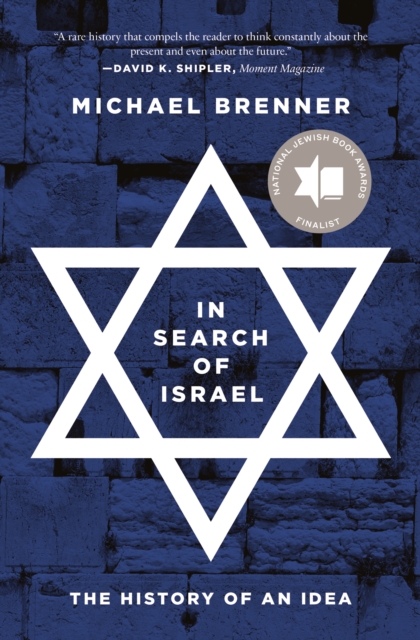
A major new history of the century-long debate over what a Jewish state should beMany Zionists who advocated the creation of a Jewish state envisioned a nation like any other.
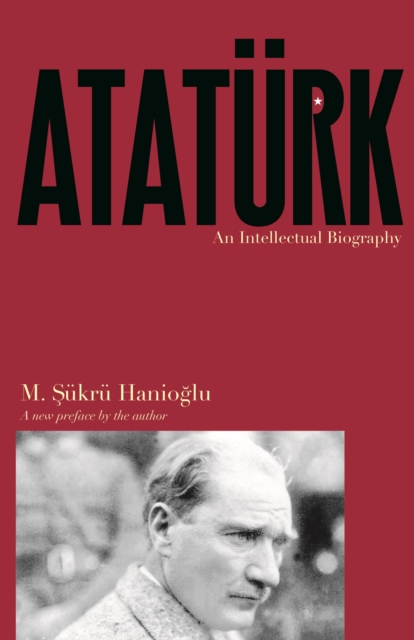
A biography of the founder of modern Turkey that chronicles the ideas that shaped himWhen Mustafa Kemal Ataturk became the first president of Turkey in 1923, he set about transforming his country into a secular republic where nationalism sanctified by science-and by the personality cult Ataturk created around himself-would reign supreme as the new religion.
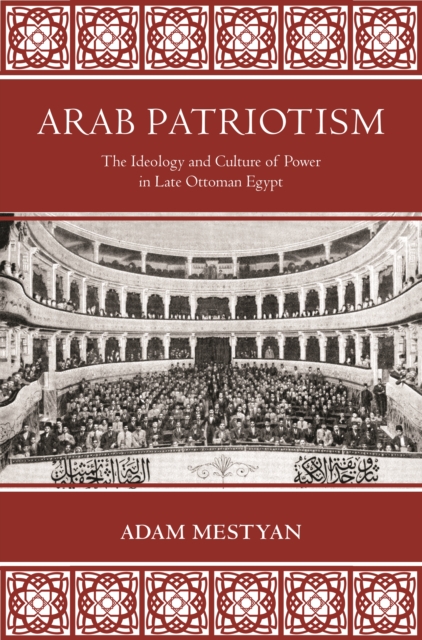
How the support of patriotic sentiments in Ottoman Egypt led to an emerging Arab nationalismArab Patriotism presents the essential backstory to the formation of the modern nation-state and mass nationalism in the Middle East.
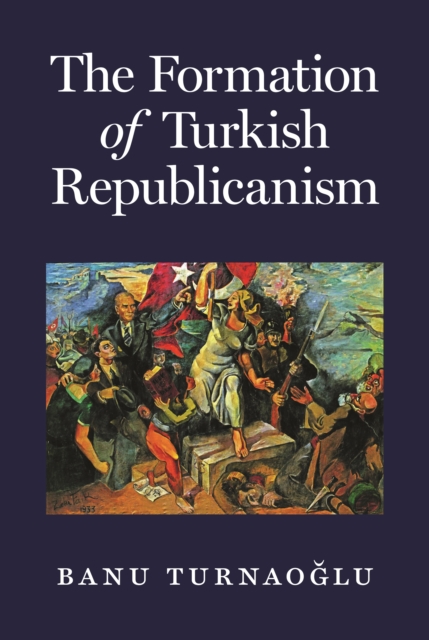
Turkish republicanism is commonly thought to have originated with Mustafa Kemal Ataturk and the founding of modern Turkey in 1923, and understood exclusively in terms of Kemalist ideals, characterized by the principles of secularism, nationalism, statism, and populism.
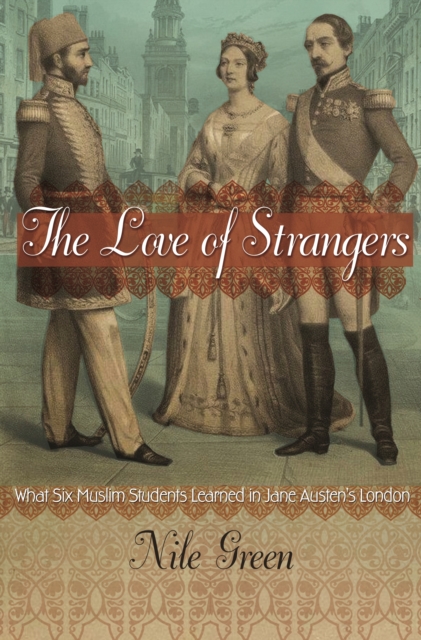
How a group of Iranian students sought love and learning in Jane Austen's LondonIn July 1815, six Iranian students arrived in London under the escort of their chaperone, Captain Joseph D'Arcy.
There is a growing recognition that philosophy isn't unique to the West, that it didn't begin only with the classical Greeks, and that Greek philosophy was influenced by Near Eastern traditions.
How religion and race-not nationalism-shaped early encounters between Zionists and Arabs in PalestineAs the Israeli-Palestinian conflict persists, aspiring peacemakers continue to search for the precise territorial dividing line that will satisfy both Israeli and Palestinian nationalist demands.
With each day that passed after the 2003 invasion, the United States seemed to sink deeper in the treacherous quicksand of Iraq's social discord, floundering in the face of deep ethno-sectarian divisions that have impeded the creation of a viable state and the molding of a unified Iraqi identity.
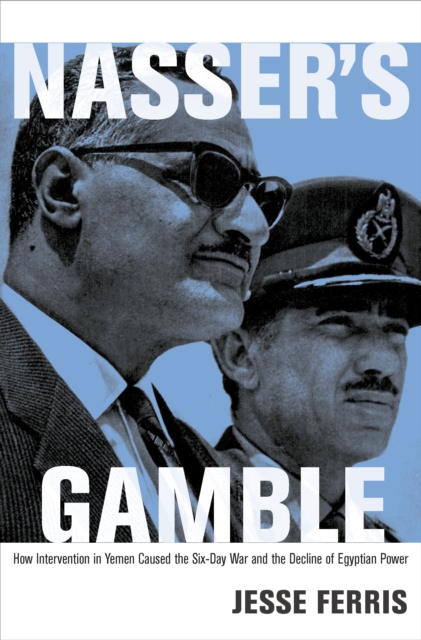
Nasser's Gamble draws on declassified documents from six countries and original material in Arabic, German, Hebrew, and Russian to present a new understanding of Egypt's disastrous five-year intervention in Yemen, which Egyptian president Gamal Abdel Nasser later referred to as "e;my Vietnam.
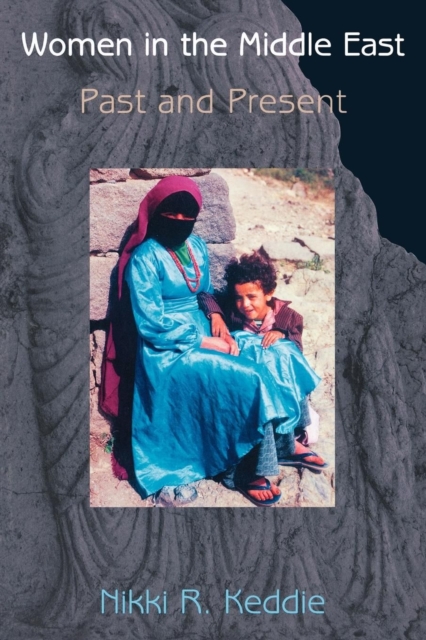
Written by a pioneer in the field of Middle Eastern women's history, Women in the Middle East is a concise, comprehensive, and authoritative history of the lives of the region's women since the rise of Islam.
Perhaps no other Western writer has more deeply probed the bitter struggle in the Muslim world between the forces of religion and law and those of violence and lawlessness as Noah Feldman.
In this fascinating book, Madeleine Albright weaves together history, personal experiences, and brilliant analysis in exploring how religion can be a force for liberty and tolerance rather than oppression and terror.
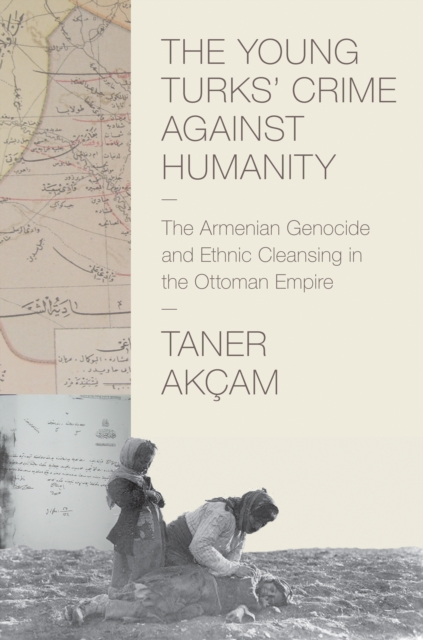
An unprecedented look at secret documents showing the deliberate nature of the Armenian genocideIntroducing new evidence from more than 600 secret Ottoman documents, this book demonstrates in unprecedented detail that the Armenian Genocide and the expulsion of Greeks from the late Ottoman Empire resulted from an official effort to rid the empire of its Christian subjects.
A sweeping history of Islam and the West from the seventh century to todayEurope and the Islamic World sheds much-needed light on the shared roots of Islamic and Western cultures and on the richness of their inextricably intertwined histories, refuting once and for all the misguided notion of a "e;clash of civilizations"e; between the Muslim world and Europe.
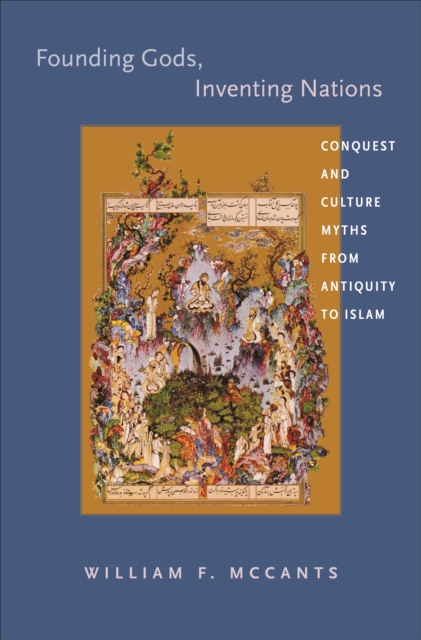
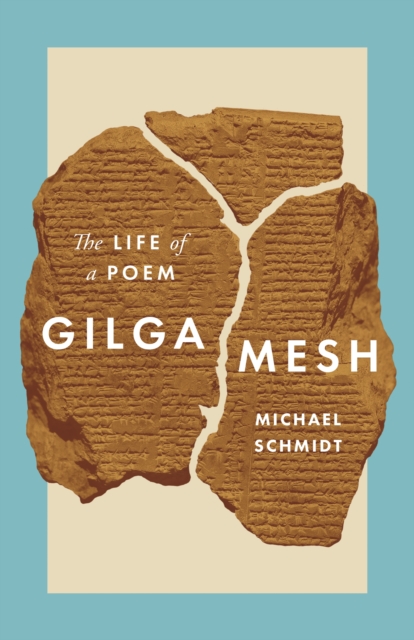
From the dawn of writing in Sumer to the sunset of the Islamic empire, Founding Gods, Inventing Nations traces four thousand years of speculation on the origins of civilization.
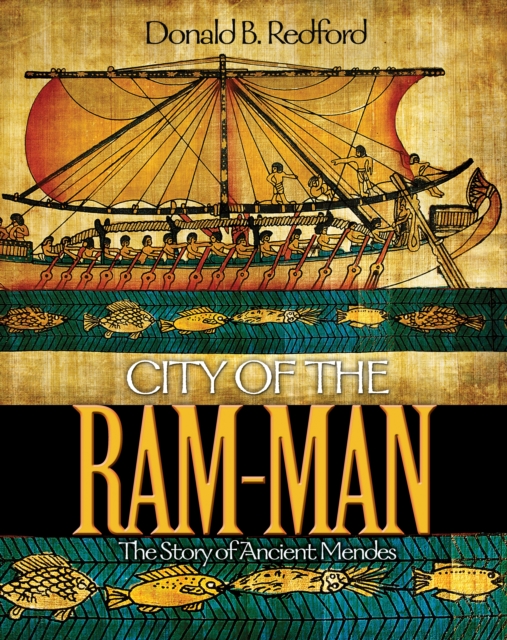
A richly illustrated history that sheds light on ancient Egypt across the millenniaIn this richly illustrated book, renowned archaeologist Donald Redford draws on the latest discoveries-including many of his own-to tell the story of the ancient Egyptian city of Mendes, home of the mysterious cult of the "e;fornicating ram who mounts the beauties.
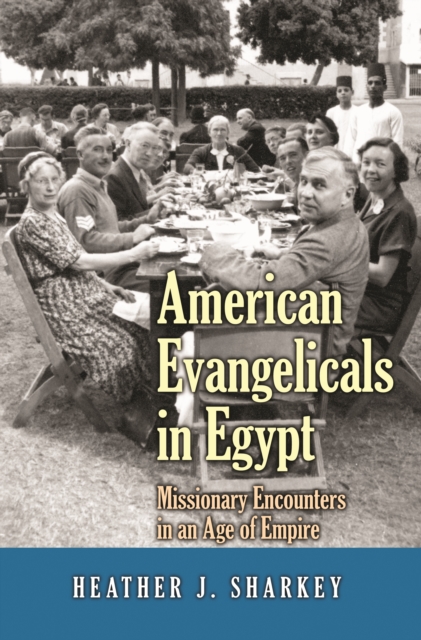
In 1854, American Presbyterian missionaries arrived in Egypt as part of a larger Anglo-American Protestant movement aiming for worldwide evangelization.
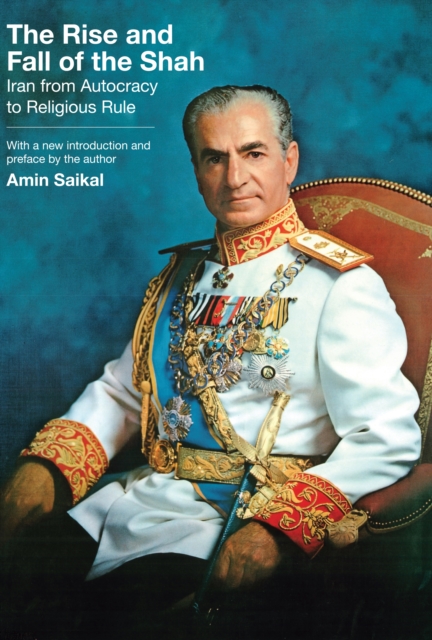
On November 4, 1979, when students occupied the American Embassy in Tehran and subsequently demanded that the United States return the Shah in exchange for hostages, the deposed Iranian ruler's regime became the focus of worldwide scrutiny and controversy.
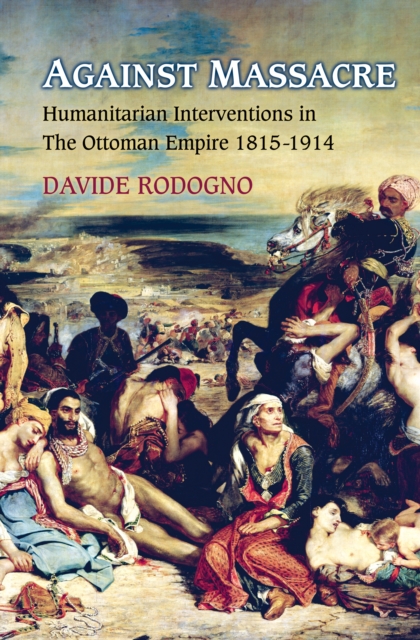
At the turn of the nineteenth century, the Ottoman Empire straddled three continents and encompassed extraordinary ethnic and cultural diversity among the estimated thirty million people living within its borders.
In the months leading up to March 2003, fresh from its swift and heady victory in Afghanistan, the Bush administration mobilized the United States armed forces to overthrow the government of Iraq.
As the specter of religious extremism has become a fact of life today, the temptation is great to allow the evil actions and perspectives of a minority to represent an entire tradition.
A rich, discovery-filled history that tells how a forgotten empire transformed the ancient worldIn the late 8th and early 7th centuries BCE, Scythian warriors conquered and unified most of the vast Eurasian continent, creating an innovative empire that would give birth to the age of philosophy and the Classical age across the ancient worldin the West, the Near East, India, and China.
A major history of Afghanistan and its changing political cultureAfghanistan traces the historic struggles and the changing nature of political authority in this volatile region of the world, from the Mughal Empire in the sixteenth century to the Taliban resurgence today.
Dieses eBook: "Der letzte Sonnensohn: Die Geschichte hinter der Eroberung des Inkareiches" ist mit einem detaillierten und dynamischen Inhaltsverzeichnis versehen und wurde sorgfältig korrekturgelesen.
The surprising similarities in the rise and fall of the Sunni Islamic and Roman Catholic empires in the face of the modern stateCoping with Defeat presents a historical panorama of the Islamic and Catholic political-religious empires and exposes striking parallels in their relationship with the modern state.
A compact, incisive history of a war that was an ominous prelude to Russia's invasion of UkraineLeaving almost half a million dead and displacing an estimated twelve million people, the Syrian Civil War is a humanitarian catastrophe of unimaginable scale.
A remarkable look at an understudied feature of the Iranian justice system, where forgiveness is as much a right of victims as retributionIran's criminal courts are notorious for meting out severe sentencesaccording to Amnesty International, the country has the world's highest rate of capital punishment per capita.
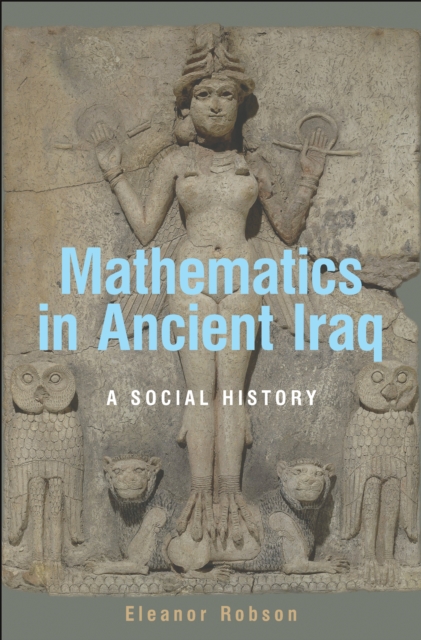
This monumental book traces the origins and development of mathematics in the ancient Middle East, from its earliest beginnings in the fourth millennium BCE to the end of indigenous intellectual culture in the second century BCE when cuneiform writing was gradually abandoned.
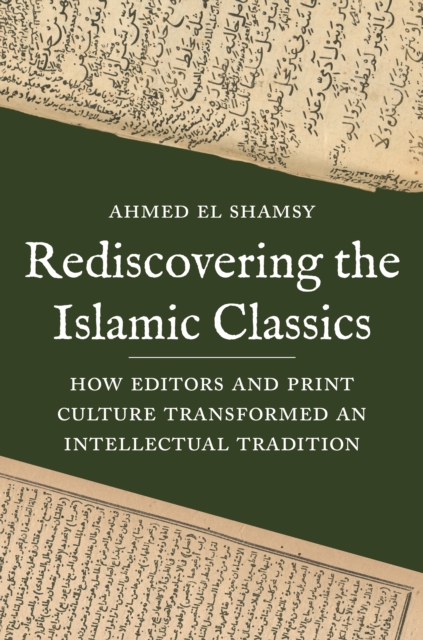
The story of how Arab editors of the late nineteenth and early twentieth centuries revolutionized Islamic literatureIslamic book culture dates back to late antiquity, when Muslim scholars began to write down their doctrines on parchment, papyrus, and paper and then to compose increasingly elaborate analyses of, and commentaries on, these ideas.
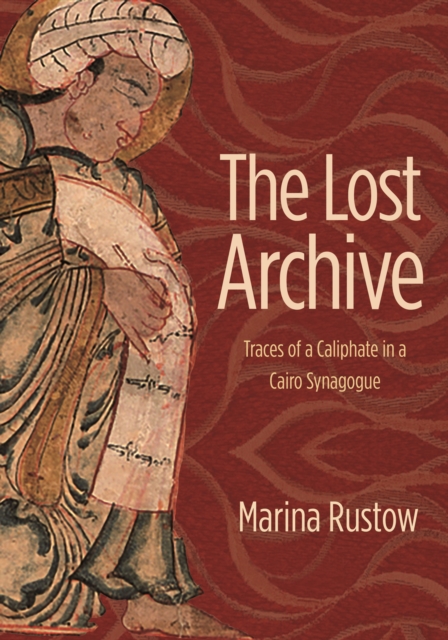
A compelling look at the Fatimid caliphate's robust culture of documentationThe lost archive of the Fatimid caliphate (909-1171) survived in an unexpected place: the storage room, or geniza, of a synagogue in Cairo, recycled as scrap paper and deposited there by medieval Jews.
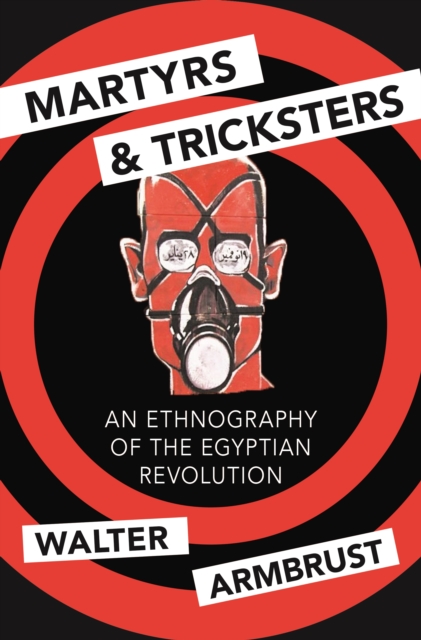
An important look at the hopeful rise and tragic defeat of the Egyptian Revolution of 2011The Egyptian Revolution of 2011 began with immense hope, but was defeated in two and a half years, ushering in the most brutal and corrupt regime in modern Egyptian history.
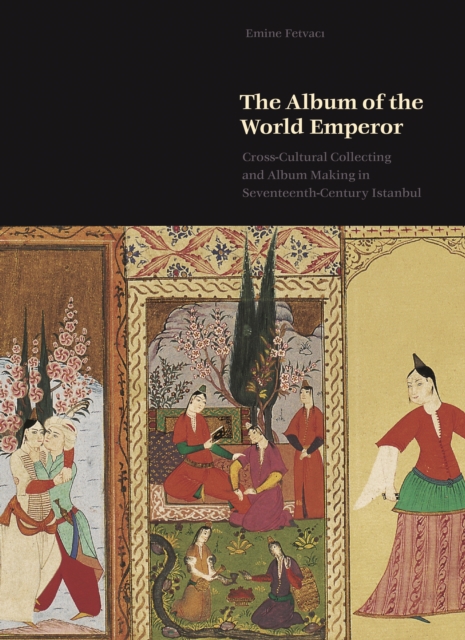
The first study of album-making in the Ottoman empire during the seventeenth century, demonstrating the period's experimentation, eclecticism, and global outlookThe Album of the World Emperor examines an extraordinary piece of art: an album of paintings, drawings, calligraphy, and European prints compiled for the Ottoman sultan Ahmed I (r.
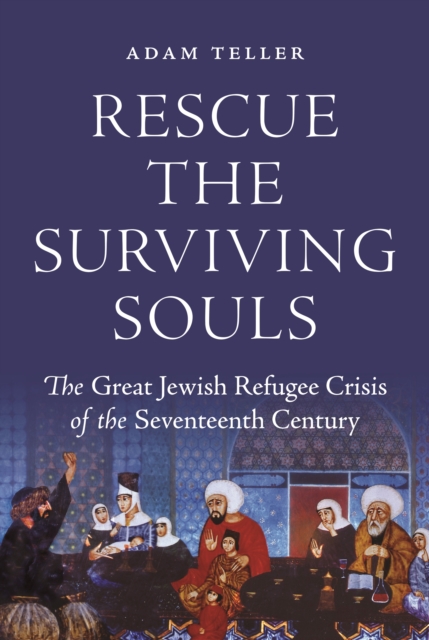
A groundbreaking examination of a little-known but defining episode in early modern Jewish history A refugee crisis of huge proportions erupted as a result of the mid-seventeenth-century wars in the Polish-Lithuanian Commonwealth.
A compelling history of the ancient schism that continues to divide the Islamic worldWhen Muhammad died in 632 without a male heir, Sunnis contended that the choice of a successor should fall to his closest companions, but Shi'a believed that God had inspired the Prophet to appoint his cousin and son-in-law, Ali, as leader.