From the rise of constitutionalism during the rule of despotic Qajars, foreign invasions, the Pahlavi regimes' destructive politics, economic, cultural and social modernization efforts and the oil nationalization movement, to the Iranian Revolution, its high hopes, broken promises, repression and intolerance causing national discontent and another socio-political upheaval today, the history of modern Iran has been eventful, unstable and turbulent.
This book presents a comprehensive, detailed analysis of the establishment, evolution and current significance of different institutions in todays Islamic Republic of Iran.
Through fieldwork centering Syrian voices, this book explores wartime governing authority and the possibilities and limits of Western intervention therein.
The final chapter in the definitive, three-volume history of the world's first known stateArchaeologist John Romer has spent a lifetime chronicling the history of Ancient Egypt, and here he tells the epic story of an era dominated by titans of the popular imagination: the radical iconoclast Akhenaten, the boy-king Tutankhamun and the all-conquering Ramesses II.
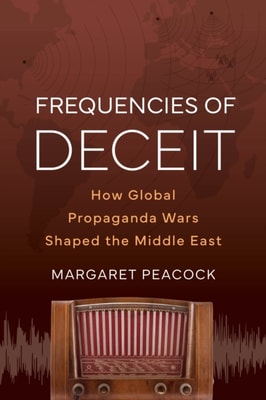
On June 8, 1967, Egypts most famous radio broadcaster, Ahmed Said, reported that Egyptian, Syrian, and Jordanian forces had defeated the Israeli army in the Sinai, had hobbled their British and US allies, and were liberating Palestine.
WINNER OF THE 2024 SOMERSET MAUGHAM AWARDIts name means 'centre of the world', and since the dawn of history the Mediterranean Sea has formed the shared horizon of innumerable cultures.
Der Band bietet eine Auseinandersetzung mit der Dependenz zwischen Poetizität und Wirklichkeit, zwischen Schreiben als Engagement und Schreiben als Selbsttherapie, zwischen Erinnerung und Verfälschung.
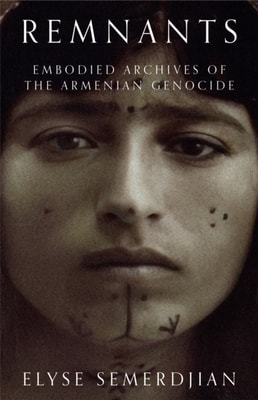
A groundbreaking and profoundly moving exploration of the Armenian genocide, told through the traces left in the memories and on the bodies of its women survivors.
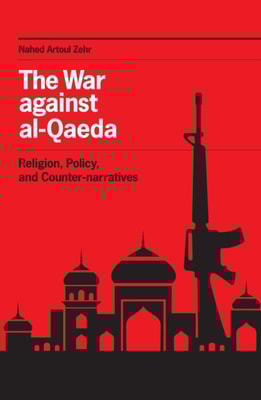
In this original and provocative book, Nahed Artoul Zehr explores the theological underpinnings of al-Qaeda and related Islamic movements such as ISIS.
Sovereignty generally refers to a particular national territory, the inviolability of the nations borders, and the right of that nation to protect its borders and ensure internal stability.
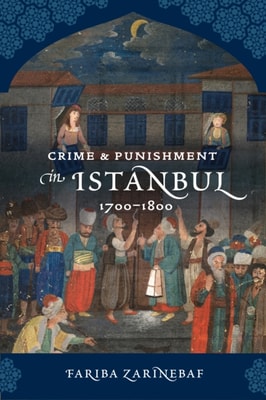
This vividly detailed revisionist history exposes the underworld of the largest metropolis of the early modern Mediterranean and through it the entire fabric of a complex, multicultural society.
This epic biography, a gripping insider's account, is a long-overdue chronicle of the life and times of Mohammad Reza Shah, who ruled from 1941 to 1979 as the last Iranian monarch.
This intensive social biography of a rural Moroccan judge discusses Islamic education, the concept of knowledge it embodies, and its communication from the early years of colonial rule in twentieth-century Morocco to the present.
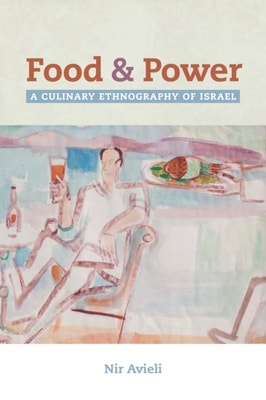
Drawing on ethnography conducted in Israel since the late 1990s,Food and Powerconsiders how power is produced, reproduced, negotiated, and subverted in the contemporary Israeli culinary sphere.
Extending deconstructive theory to historical and political analysis, Timothy Mitchell examines the peculiarity of Western conceptions of order and truth through a re-reading of Europe's colonial encounter with nineteenth-century Egypt.
In light of the widespread public perception of incompatibility between Islam and Christianity, this book provides a much-needed straightforward comparison of these two great faith traditions from a broad theological perspective.
In this book, author Nader Moumneha Canadian senior policy adviser of Lebanese descent examines the research of the formation and evolution of the Christian resistance in Lebanon he performed as a graduate student at the American University of Beirut in the early 1990s.
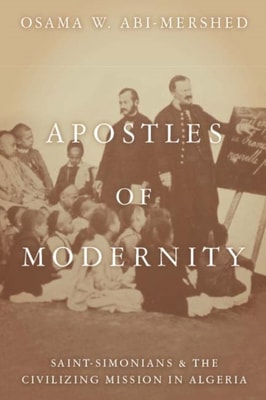
Between 1830 and 1870, French army officers serving in the colonial Offices of Arab Affairs profoundly altered the course of political decision-making in Algeria.
This book explores violence in the public lives of modern Middle Eastern cities, approaching violence as an individual and collective experience, a historical event, and an urban process.
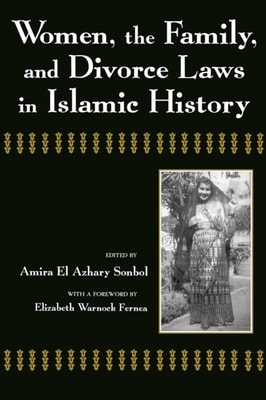
The eighteen essays in this volume cover a wide range of material and reevaluate women's studies and Middle Eastern studies, Muslim women and the Shari'a courts, the Ottoman household, Dhimmi communities, children and family law, morality, and violence.
The Jewish migration at the end of the nineteenth and beginning of the twentieth centuries was one of the dramatic events that changed the Jewish people in modern times.