Over time the impression has grown that the 2003 invasion of Iraq met with little resistance and that, with few exceptions, the Iraqi army simply melted away.
Women Mystics and Sufi Shrines in India combines historical data with years of ethnographic fieldwork to investigate women's participation in the culture of Sufi shrines in India and the manner in which this participation both complicates and sustains traditional conceptions of Islamic womanhood.
Sufi Aesthetics argues that the interpretive keys to erotic Sufi poems and their medieval commentaries lie in understanding a unique perceptual experience.
The Sultan's Communists uncovers the history of Jewish radical involvement in Morocco's national liberation project and examines how Moroccan Jews envisioned themselves participating as citizens in a newly-independent Morocco.
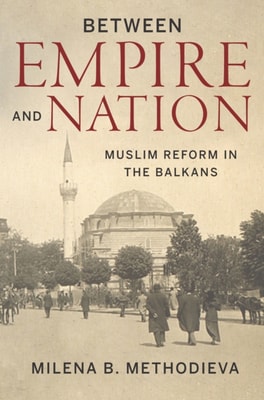
Between Empire and Nation tells the story of the transformation of the Muslim community in modern Bulgaria during a period of imperial dissolution, conflicting national and imperial enterprises, and the emergence of new national and ethnic identities.
In this volume, Jason Radcliff offers an introduction, critical appreciation, and constructive extension of the Orthodox-Reformed Theological Dialogue spearheaded by Thomas F.
This cultural history reveals how cats became the undisputed mascot of the internet-"e;an essential look at life online"e; (Ryan Milner, author of The World Made Meme).
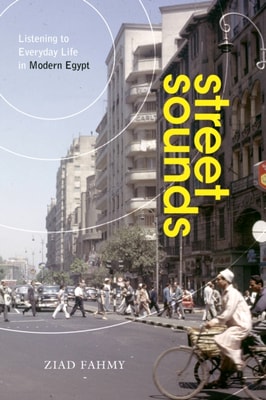
As the twentieth century roared on, transformative technologies-from trains, trams, and automobiles to radios and loudspeakers-fundamentally changed the sounds of the Egyptian streets.
Argentina lies at the heart of the American hemisphere's history of global migration booms of the mid-nineteenth to early twentieth century: by 1910, one of every three Argentine residents was an immigrant-twice the demographic impact that the United States experienced in the boom period.
At a moment in which interest in political theology is rising, acceptance of a public role for religion is declining, and cynicism regarding both political and religious institutions is overflowing, this book investigates the possibilities and constraints of a Christian political theology that can meaningfully mediate Scripture, doctrine, and political reality.
"e;A valuable addition to the new wave of critical studies on the history of oil and energy policy"e;-and a bracing corrective to longstanding myths (James M.
The Architectonics of Hope provides a critical excavation and reconstruction of the Schmittian seductions that continue to bedevil contemporary political theology.
This is the fantastical, yet real, story of the merchants of Bethlehem, the young men who traveled to every corner of the globe in the nineteenth century.