This book aims to study the heritage revival movement in the Kingdom of Saudi Arabia, a scientific study, which chronicles this movement since the printing press entered the land of this country in 1300 AH/ 1883AD, even before the release of this book.
This book came as a natural response and an inevitable consequence of my former writers who fought the field of wound, amendment and scientific criticism, which are a book (Books of Men's Translations between Wound and Amendment) and the book (Scientific Criticism of the Curriculum of Investigators on Heritage Books) as he stood on the critical side of the scholars and historians of opinions and narratives They took the geniuses of Akkad as an example to which the arrows of criticism, evaluation and evaluation are directed.
Unerbittlich besteht König Melim-anna von Uruk auf dem Recht der ersten Brautnacht, ohne vom zunehmenden Frust seines Volkes oder den Ratschlägen seiner Vertrauten Notiz zu nehmen.
The EU two-state policy concerning the Palestinian-Israeli conflict is failing, despite a half-century of strenuous EU efforts expending tens of billions of euros to implement it.
›Die Erfindung der Überbevölkerung‹ ist eine tiefgründige Analyse, die sich mit einem der drängendsten globalen Probleme unserer Zeit auseinandersetzt.
The commentary interprets Jeremiah 1-25 as a dramatic text: In laments, accusations, and announcements of doom, a polyphonic message about the fall of Jerusalem and Judah emerges.
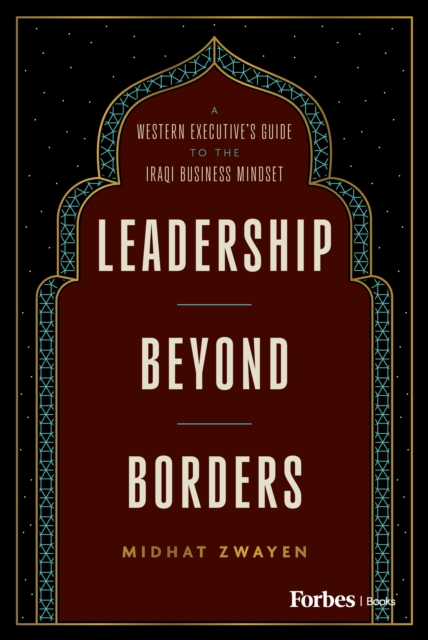
Western leaders face significant challenges when conducting business in Iraq, from navigating cultural differences to overcoming ingrained misconceptions.
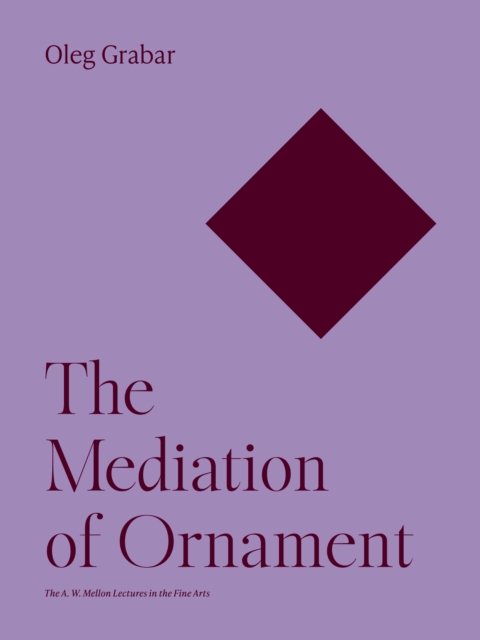
How ornamentation enables a direct and immediate encounter between viewers and art objectsBased on universal motifs, ornamentation occurs in many artistic traditions, though it reaches its most expressive, tangible, and unique form in the art of the Islamic world.
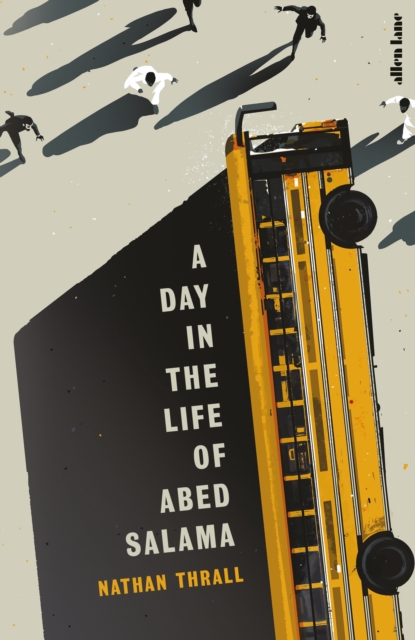
WINNER OF THE 2024 PULITZER PRIZE SHORTLISTED FOR THE ORWELL PRIZE LONGLISTED FOR THE BAILLIE GIFFORD PRIZE'A deeply immersive portrait of daily life in Israel and the West Bank' The Best Books to Understand the Israeli-Palestinian Conflict, Financial Times'Brims over with just the sort of compassion and understanding that is needed at a time like this a book that speaks with deep and authentic truth of ordinary lives trapped in the jaws of history' ObserverA gripping, intimate story of one heartbreaking day in Palestine that reveals lives, loves, enmities, and histories in violent collisionMilad is five years old and excited for his school trip to a theme park on the outskirts of Jerusalem, but tragedy awaits: his bus is involved in a horrific accident.
How ornamentation enables a direct and immediate encounter between viewers and art objectsBased on universal motifs, ornamentation occurs in many artistic traditions, though it reaches its most expressive, tangible, and unique form in the art of the Islamic world.
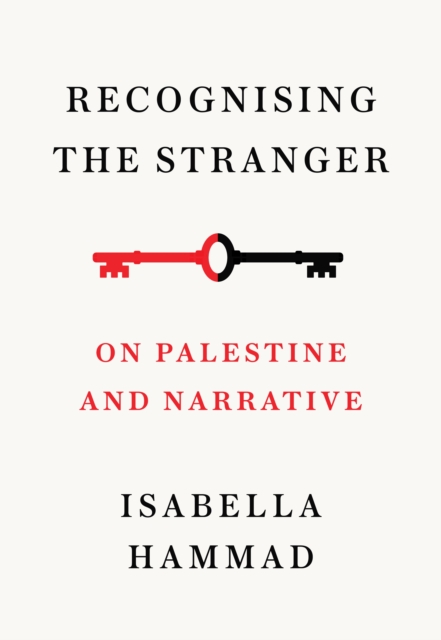
A book that calls us to witness our place in history Sally RooneyAn urgent and moving essay on the Palestinian struggle and the power of narrative from the Women s Prize shortlisted author of Enter Ghost.
El quinto y último Cuaderno dedicado a la historia de Israel empieza con la sucesión de Herodes el Grande y acaba con la represión de la revuelta de Bar Kokbá.
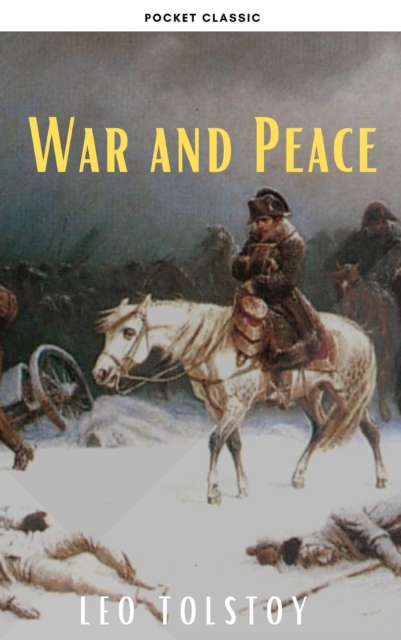
Hailed as one of the greatest novels of all time and a classic of world literature, War and Peace unfolds in the early nineteenth century during the turbulent years of the Napoleonic invasion of Russia.
THE Zend-Avesta is the sacred book of the Parsis, that is to say, of the few remaining followers of that religion which feigned over Persia at the time when the second successor of Mohammed overthrew the Sassanian dynasty, and which has been called Dualism, or Mazdeism, or Magism, or Zoroastrianism, or Fire-worship, according as its main tenet, or its supreme God, or its priests, or its supposed founder, or its apparent object of worship has been most kept in view.
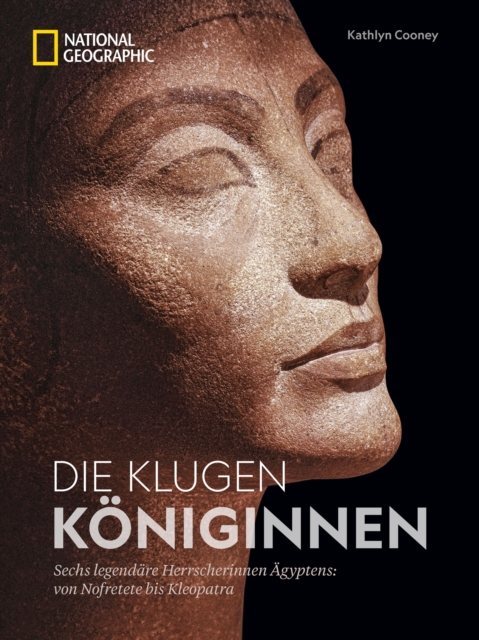
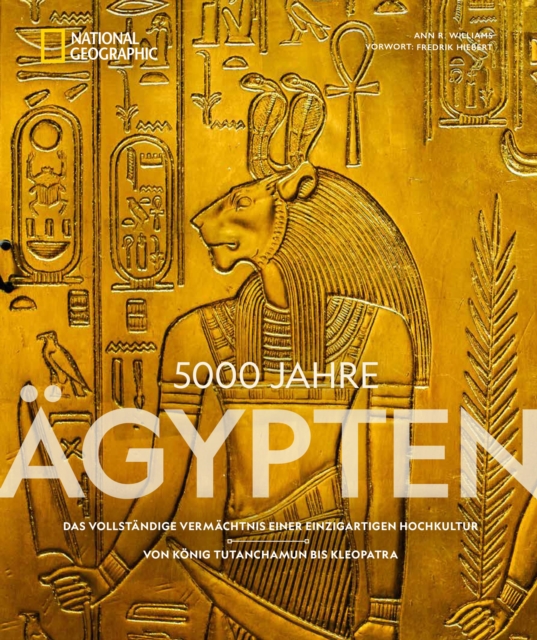
Vor tausenden von Jahren regierten in Ägypten immer wieder Frauen mit fast uneingeschränkter Macht – obwohl sie in einer männlich dominierten Gesellschaftsordnung lebten.
Mit wegweisender Klarheit und profundem Wissen durchdringt Gilles Kepel die komplexen Krisen und Konflikte, die seit Jahrzehnten den arabisch-islamischen Raum, seine Gesellschaften und die Welt in Atem halten.
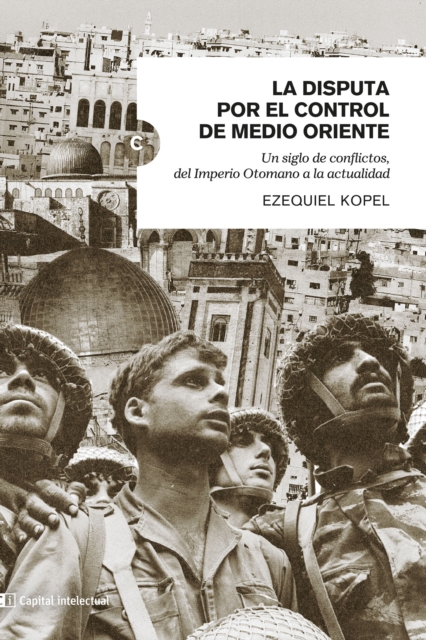
Lo que en algún momento los intelectuales europeos definieron como "Medio Oriente" constituye la región más caliente, inestable e incomprendida del planeta.
Muslim intellectuals who sought to establish the boundaries of modern Muslim identityMuslim modernism was a political and intellectual movement that sought to redefine the relationship between Islam and the colonial West in the late nineteenth and early twentieth centuries.
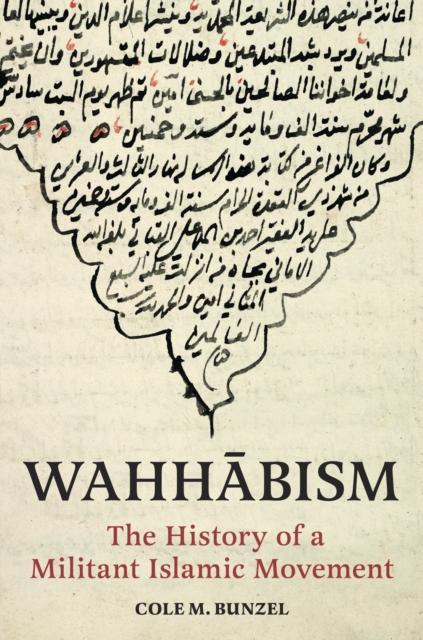
An essential history of Wahhabism from its founding to the Islamic StateIn the mid-eighteenth century, a controversial Islamic movement arose in the central Arabian region of Najd that forever changed the political landscape of the Arabian Peninsula and the history of Islamic thought.
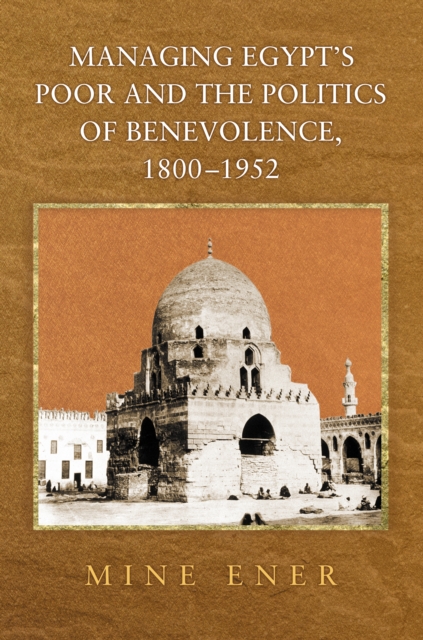
This richly textured social history recovers the voices and experiences of poor Egyptians--beggars, foundlings, the sick and maimed--giving them a history for the first time.
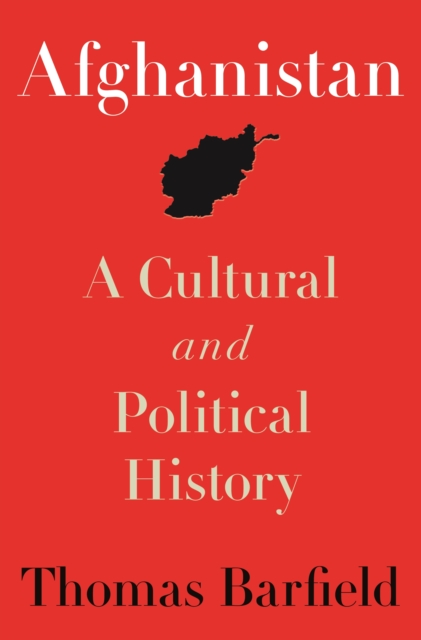
A major history of Afghanistan and its changing political cultureAfghanistan traces the historic struggles and the changing nature of political authority in this volatile region of the world, from the Mughal Empire in the sixteenth century to the Taliban resurgence today.
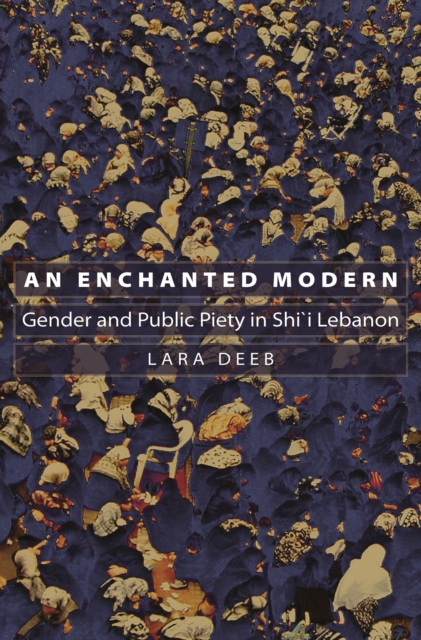
Based on two years of ethnographic research in the southern suburbs of Beirut, An Enchanted Modern demonstrates that Islam and modernity are not merely compatible, but actually go hand-in-hand.
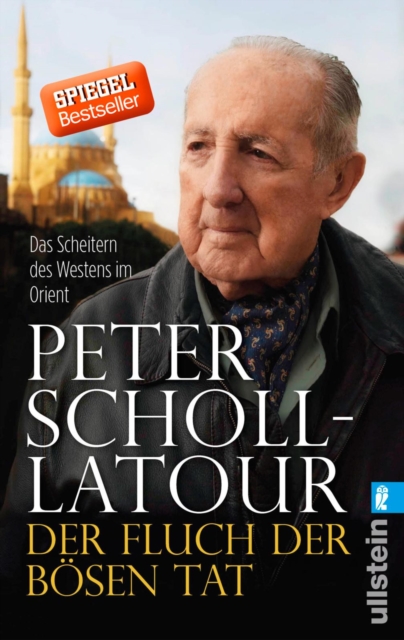
Es gärt und brodelt überall: Syrien und der Irak versinken im grausamen Bürgerkrieg aller gegen alle, in der Türkei ringen islamistische und säkulare Kräfte um die Vormacht.
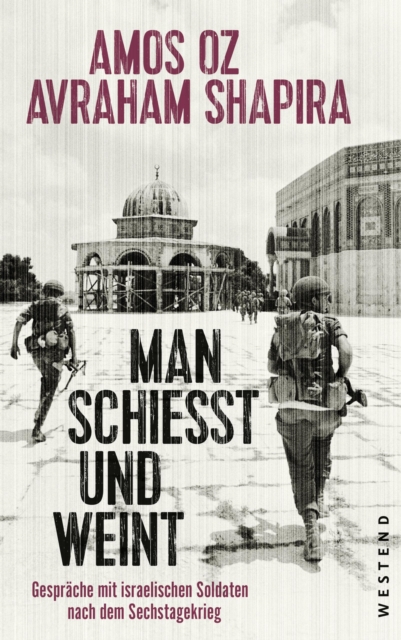
Die andere Seite des Krieges – Gespräche mit den Soldaten des SechstagekriegsNach dem Sechstagekrieg von 1967 initiierte Avraham Shapira zusammen mit Amos Oz das wohl einflussreichste israelische Buch: "Gespräche mit israelischen Soldaten".
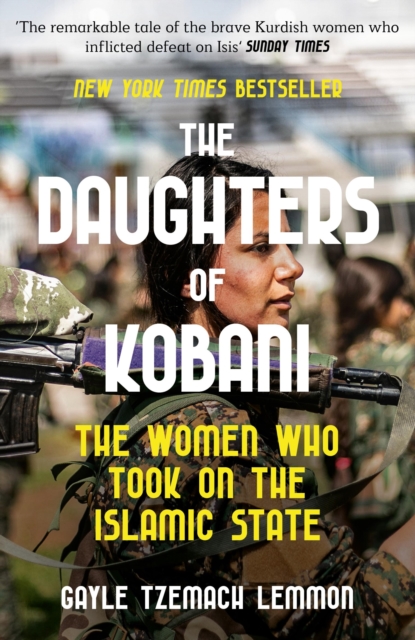
The extraordinary story of the women who took on the Islamic State and wonIn 2014, northeastern Syria might have been the last place you would expect to find a revolution centered on women's rights.
Armenia, el país en el que todo es posible, el país que, como eterna Arca de Noé, pone a resguardo de tempestades humanas y de las otras, variopintas especies de su cultura milenaria.
Step into the golden age of ancient Egypt, where ambition, innovation, and divine authority converged to create one of humanity's most enduring wonders: the Great Pyramid of Giza.
This book is a chronology of the dialogue between the colonised Palestinians and their British colonisers during the 'Mandate' years from November 1917 through May 1948.
The cult, magic, reign, and resurrection of the first female ruler in Egypt*; Reveals the achievements of Sobekneferu, the political and religious issues of her age, the temples and ruins associated with her, and her continuing impact on ancient Egypt after her reign*; Discusses Sobekneferu's magical beliefs and practices centered on the crocodile god Sobek, the hippo goddess Neith, and their representation as constellations*; Examines the modern-day resurrection of Sobekneferu among mystics and occultists of Victorian London, including her role in Bram Stoker's shocking gothic novel, The Jewel of the Seven StarsCleopatra.