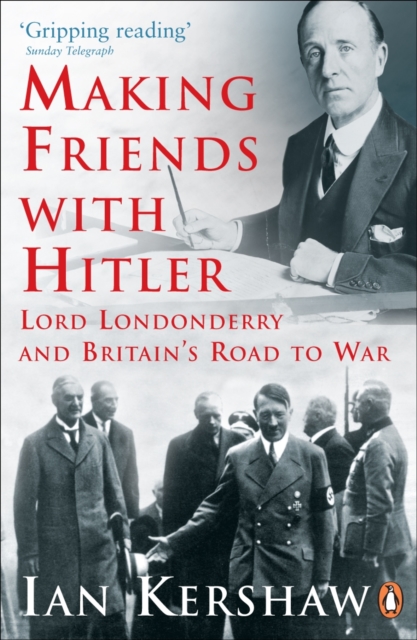
Britain, as the most powerful of the European victors of World War One, had a unique responsibility to maintain the peace in the aftermath of the Treaty of Versailles.
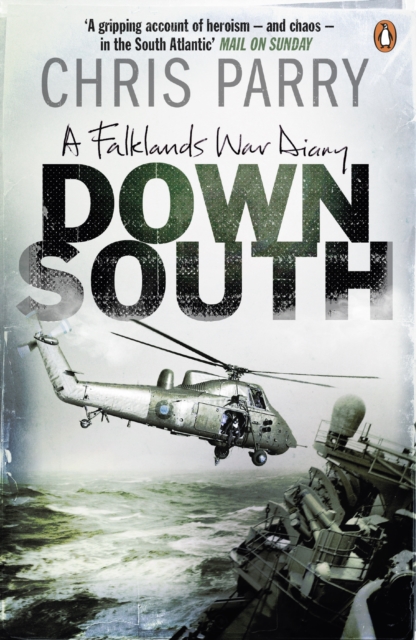
Down South by Chris Parry - one man's astonishing diary of war in the Falklands'A gripping account of heroism - and chaos - in the South Atlantic' Mail on Sunday'Compelling, gripping.
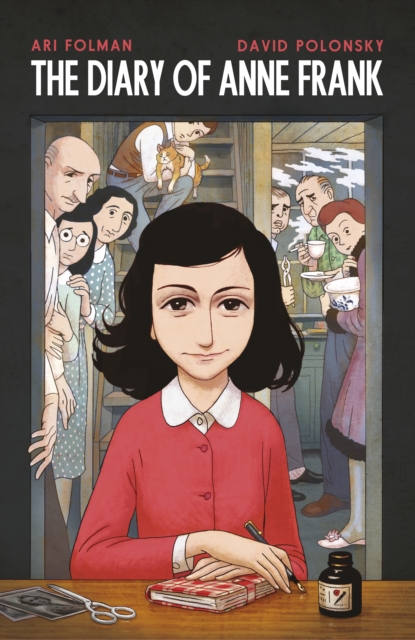
The First Graphic Adaptation of the Multi-Million Bestseller'12th June, 1942: I hope I will be able to confide everything to you, as I have never been able to confide in anyone, and I hope you will be a great source of comfort and support.
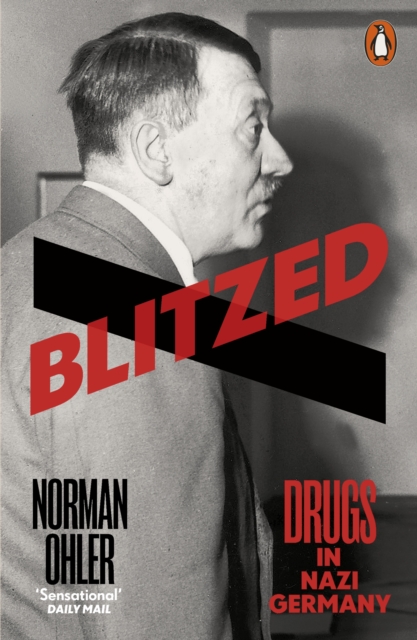
The sensational international bestseller on the overwhelming role of drug-taking in the Third Reich'The most brilliant and fascinating book I have read in my entire life' Dan Snow'Extremely interesting .
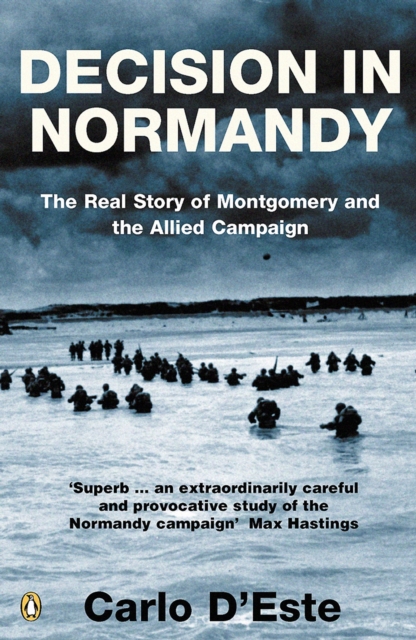
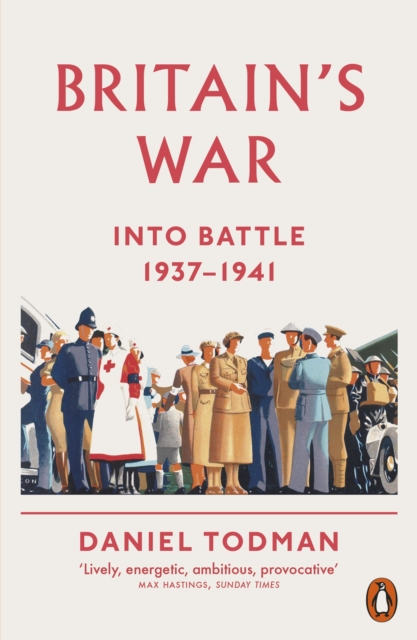
'An energetic, ambitious, provocative work by a young historian of notable gifts, which deserves a wide readership' Max Hastings, The Sunday Times'Bold and breathtaking.
This volume offers the first comprehensive history of the Security Section of the Special Operations Executive and its relationship with MI5 during the Second World War.
This is a study of the development of Clement Attlee and the Labour Party from the collapse of the second Labour Government in August 1931, to their entry into Churchill's coalition in May 1940.
Ten essays on the nature of fascism by a leading scholar in the field, focusing on how to understand and apply fascist ideology to various movements since the twentieth century, Mussolini's prophesied 'fascist century'.
This collection of essays by leading scholars in their fields provides the most comprehensive and up-to-date survey of Holocaust historiography available.
Between Resistance and Collaboration explores the various means by which the local population both protested the hardships brought about by the Nazi occupation of Northern France, often forcing the authorities to do something about them, and evaded the plethora of regulations, political and economic, when the authorities were unable or unwilling to act.
This challenging new work uses archival research to examine Poland's government in exile during the Second World War as it sought both to fight against the advances of Germany and the Soviet Union, and to prepare for the moment when it would once more be possible to establish a national Polish government.
In British Women Writers of World War II , Phyllis Lassner offers a challenging analysis of politicized literature in which such British women writers as Virginia Woolf, Elizabeth Bowen, Stevie Smith and Storm Jameson debated the `justness' of World War II.
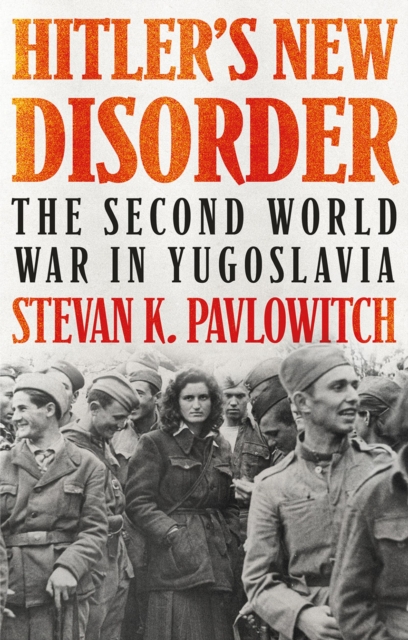
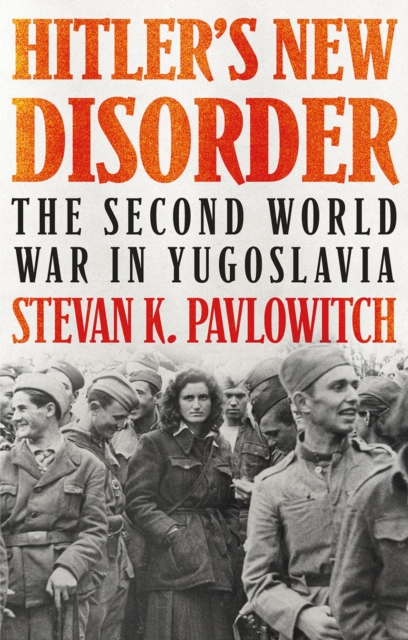
Casting new light on a controversial aspect of wartime British foreign policy, this book traces the process by which the British authorities came to offer their backing to Colonel Draza Mihailovic, leader of the non-Communist resistance movement which emerged after the Axis invasion of Yugoslavia in April 1941.
This book offers a comprehensive examination of historical Norwegian and allied airborne maritime surveillance operations in the North Atlantic, after World War II until the present.
Although the years 1921-48 saw a gradual strengthening of the so-called 'special relationship' between the United States and Great Britain, anglophobia remained a potent force in American political life throughout that period.
A major production site of Soviet KV and T-34 tanks in WWII, the town of Cheliabinsk in the Urals was nicknamed 'Tankograd', its civilian machine-building factories swiftly converted to arms production.
This bold intervention into the debate over the memory and 'post-memory' of the Holocaust both scrutinizes recent academic theories of post-Holocaust trauma and provides a new reading of literary and architectural memory texts related to the Holocaust.
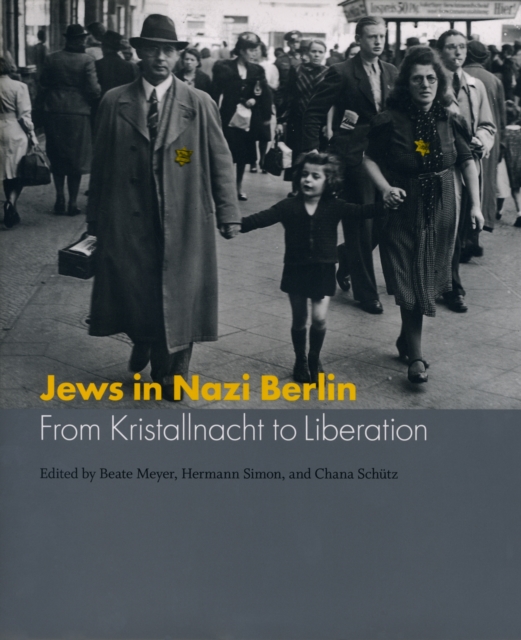
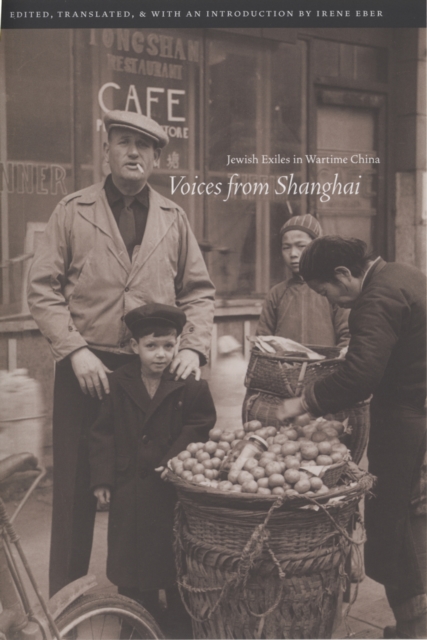
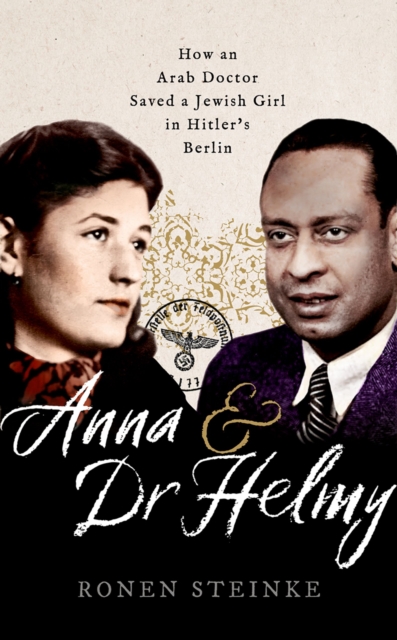
Though many of the details of Jewish life under Hitler are familiar, historical accounts rarely afford us a real sense of what it was like for Jews and their families to live in the shadow of Nazi Germany's oppressive racial laws and growing violence.
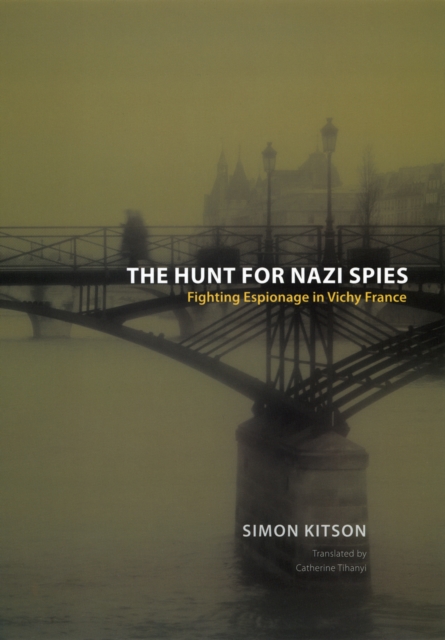
From 1940 to 1942, French secret agents arrested more than two thousand spies working for the Germans and executed several dozen of them-all despite the Vichy government's declared collaboration with the Third Reich.
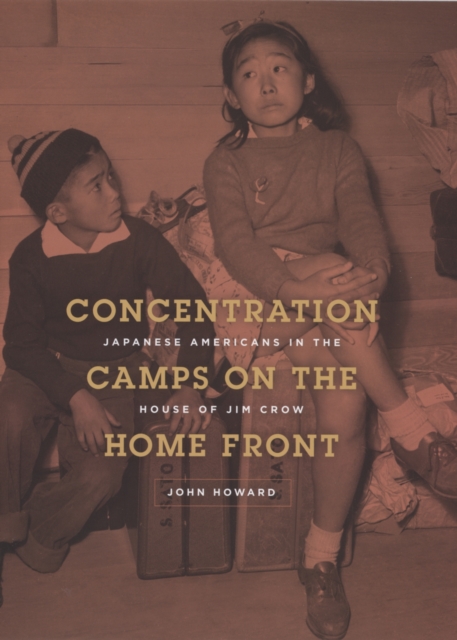
Without trial and without due process, the United States government locked up nearly all of those citizens and longtime residents who were of Japanese descent during World War II.
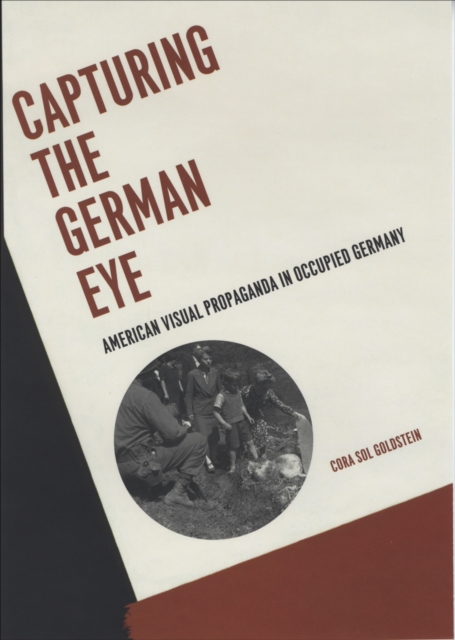
Shedding new light on the American campaign to democratize Western Germany after World War II, Capturing the German Eye uncovers the importance of cultural policy and visual propaganda to the U.
Post-World War II scholarship and films like The Sorrow and the Pity have frequently replaced the old Gaullist notion of widespread resistance, and cultivated the impression that the French may well have been a "e;nation of collaborators,"e; embracing the dream of a new authoritarian order in France as embodied by the puppet Vichy regime of Marshall Petain, and hindering the network of the French Underground.
Post-World War II scholarship and films like The Sorrow and the Pity have frequently replaced the old Gaullist notion of widespread resistance, and cultivated the impression that the French may well have been a "e;nation of collaborators,"e; embracing the dream of a new authoritarian order in France as embodied by the puppet Vichy regime of Marshall Petain, and hindering the network of the French Underground.
Retaining all the well-loved features from the previous editions, The Quest for Political Stability: Germany 1871-1991 has been approved by AQA and matched to the 2015 specification.
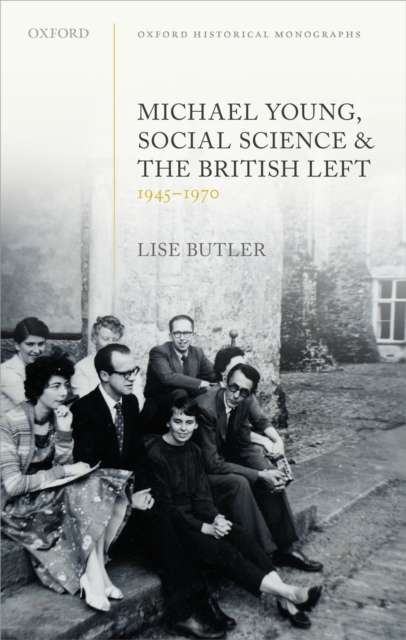
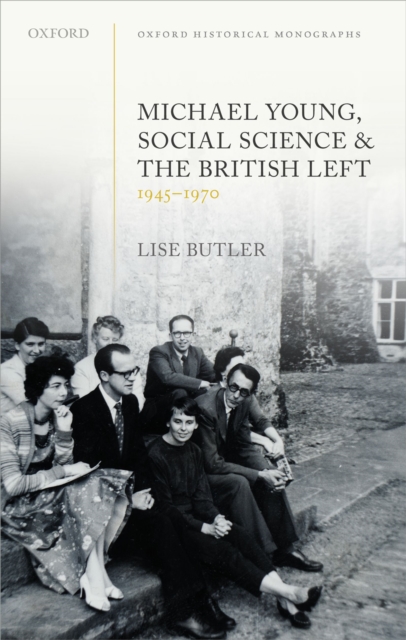
In post-war Britain, left-wing policy maker and sociologist Michael Young played a major role in shaping British intellectual, political, and cultural life, using his study of the social sciences to inform his political thought.
In post-war Britain, left-wing policy maker and sociologist Michael Young played a major role in shaping British intellectual, political, and cultural life, using his study of the social sciences to inform his political thought.
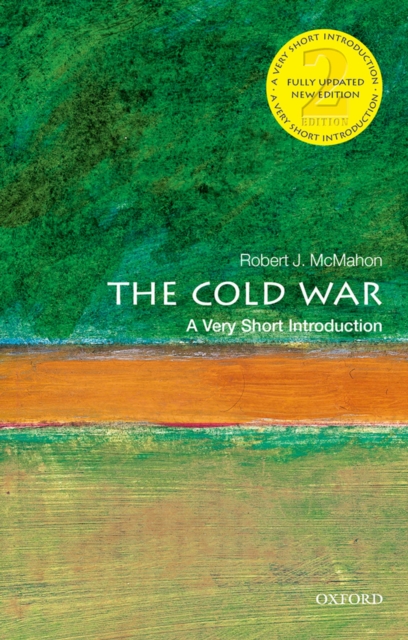
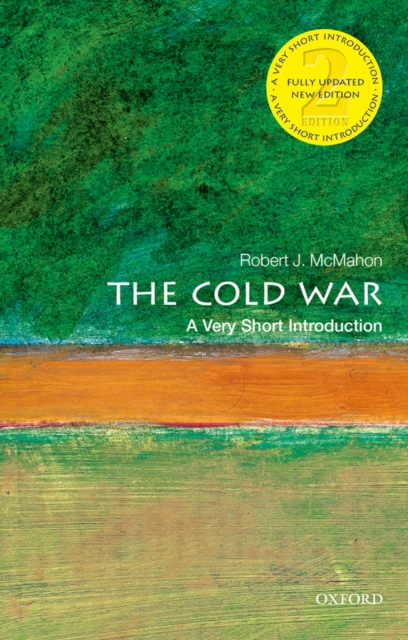
Very Short Introductions: Brilliant, Sharp, Inspiring The Cold War dominated international life from the end of World War II to the fall of the Berlin Wall in 1989.
Very Short Introductions: Brilliant, Sharp, Inspiring The Cold War dominated international life from the end of World War II to the fall of the Berlin Wall in 1989.
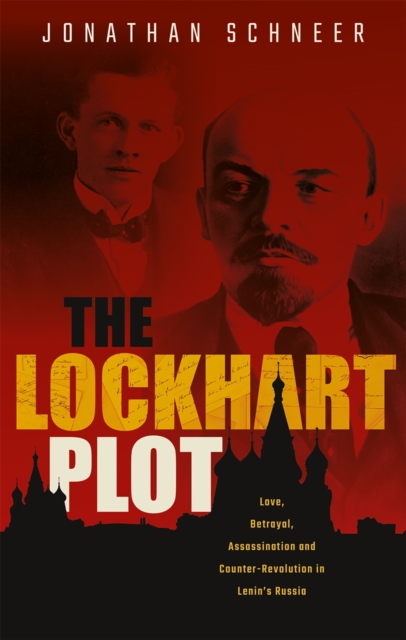
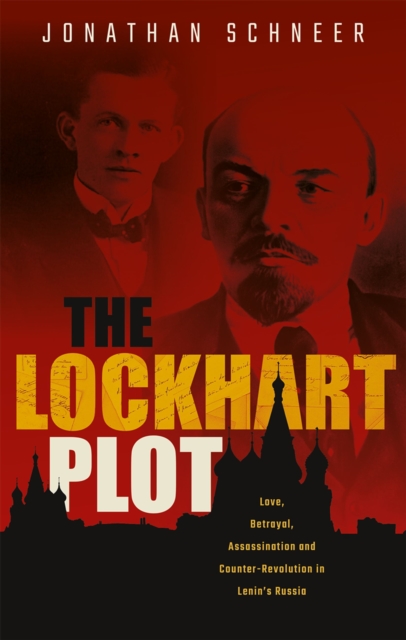
During the spring and summer of 1918, with World War I still undecided, British, French and American agents in Russia developed a breathtakingly audacious plan.
During the spring and summer of 1918, with World War I still undecided, British, French and American agents in Russia developed a breathtakingly audacious plan.
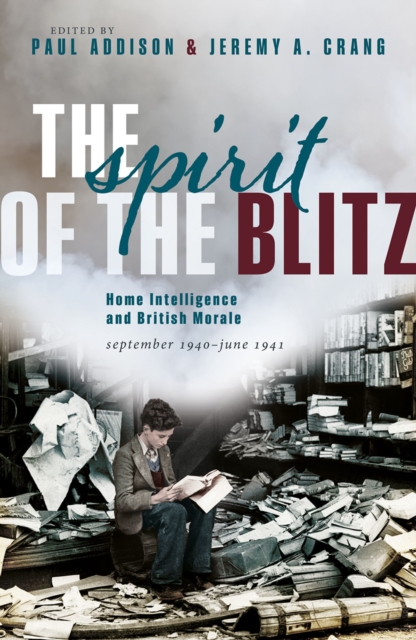
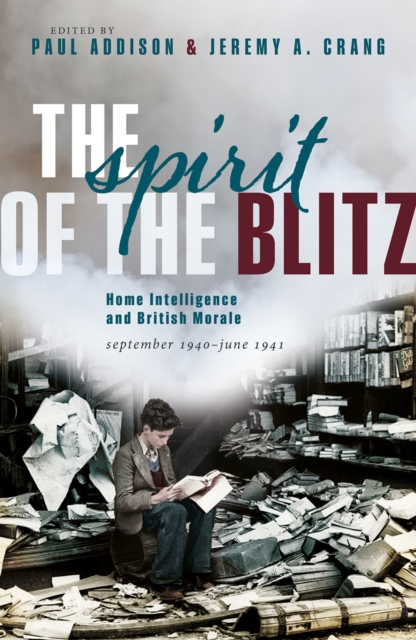
During the Blitz, the morale of the British people was clandestinely monitored by Home Intelligence, a unit of the Ministry of Information that kept watch on the behaviour and opinions of the public and eavesdropped on their conversations.
During the Blitz, the morale of the British people was clandestinely monitored by Home Intelligence, a unit of the Ministry of Information that kept watch on the behaviour and opinions of the public and eavesdropped on their conversations.