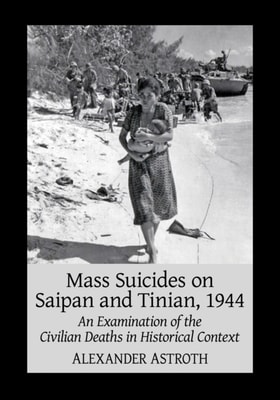
When the Americans invaded the Japanese-controlled islands of Saipan and Tinian in 1944, civilians and combatants committed mass suicide to avoid being captured.
After Operation Valkyrie--the failed July 20, 1944, plot to assassinate Adolf Hitler and seize control of the German government--both the Third Reich and Hitler came to a violent end.
It was not Robert Oppenheimer who built the bomb--it was engineers, chemists and young physicists in their twenties, many not yet having earned a degree.
Born into one of 19th century Europe's more powerful families, Archduchess Marie Valerie was the favorite daughter of Austria's Emperor Franz Joseph and Empress Elisabeth.
In the five months after Pearl Harbor, the Imperial Japanese Navy won a string of victories in a campaign to consolidate control of Southeast Asia and the South Pacific.
Originally designed as a cargo and paratroop transport during World War II, the Fairchild C-82 Packet is today mainly remembered for its starring role in the Hollywood film The Flight of the Phoenix (1965).
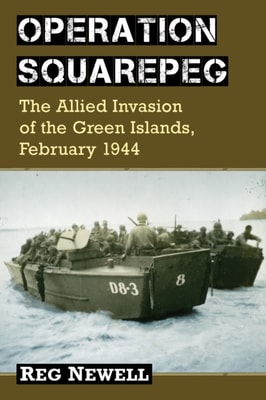
In late January 1944 a force of New Zealand soldiers and Allied specialists undertook a daring behind the lines reconnaissance of the Japanese-held Green Islands of Papua New Guinea.
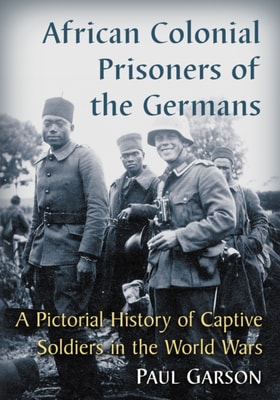
Through both World Wars, young African conscripts from Senegal, Algeria, Morocco, the Congo and elsewhere found themselves fighting for their colonial rulers, facing unknown enemies in unknown lands.
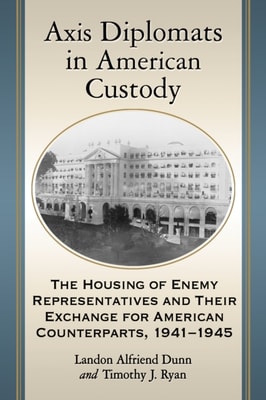
After Pearl Harbor, German, Italian and Japanese diplomats, along with their staffs and families, were relocated to two lavish but isolated resorts in Appalachia, where the State Department insisted they be treated as distinguished guests.
Trained as a photo reconnaissance unit, Marine Observation Squadron 251 ended up serving as a fighter squadron for the duration of World War II, shooting down 32 Japanese aircraft.
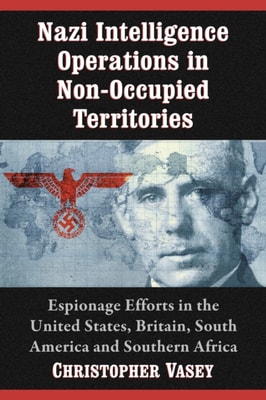
Drawing heavily on recently declassified sources, this examination of German wartime intelligence services traces the logistical and strategic expansion of the Third Reich's foreign covert operations in World War II.
For more than 80 years, images of the Third Reich have appeared in newsreels, documentaries, and fictional stories--from comedies and musicals to war, horror and science fiction films.
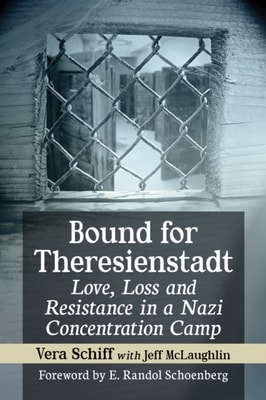
Originally constructed in the 18th century as a military barracks by Austrian Emperor Joseph II, Theresienstadt (now Terezin) was used as a ghetto and concentration camp by the Nazis early in World War II in their ruse of peaceful resettlement of the Jews of Europe.
The POW Camp at Fort McClellan, Alabama, was one of hundreds of American containment centers built to hold the hundreds of thousands of German prisoners captured during World War II.
Creating a guerrilla movement to fight the Japanese occupation of the Philippines (1942-1945) presented Colonel Wendell Fertig with some formidable challenges.
The story of Hitler's Wehrmachtsgefolge (armed forces auxiliaries) is less well known than that of Germany's other armed forces in World War II, such as the panzer divisions, the Luftwaffe and the Kriegsmarine.
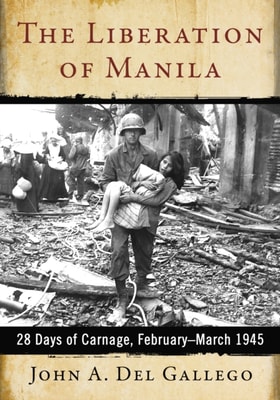
World War II began for the United States with the Japanese attack on Pearl Harbor December 7, 1941, followed by the invasion of the Philippine Islands the next day.