Anti-Semitism and the Holocaust surveys the history of the Holocaust whilst demonstrating the pivotal importance of the historical tradition of anti-Semitism and the power of discriminatory language in relation to the Nazi-led persecution of the Jews.
Covering the development of the atomic bomb during the Second World War, the origins and early course of the Cold War, and the advent of the hydrogen bomb in the early 1950s, Churchill and the Bomb in War and Cold War explores a still neglected aspect of Winston Churchill's career his relationship with and thinking on nuclear weapons.
Covering the development of the atomic bomb during the Second World War, the origins and early course of the Cold War, and the advent of the hydrogen bomb in the early 1950s, Churchill and the Bomb in War and Cold War explores a still neglected aspect of Winston Churchill's career his relationship with and thinking on nuclear weapons.
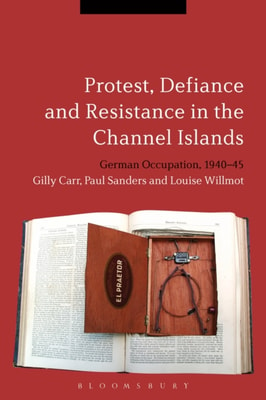
The Nazi occupation of Europe of World War Two is acknowledged as a defining juncture and an important identity-building experience throughout contemporary Europe.
British Tank Production and the War Economy, 1934-1945 explores the under-researched experiences of the British tank industry in the context of the pressures of war.
The length, scale and intensity of the Battle of the Atlantic led the British and German navies to make substantial changes to their organisation, strategy and tactics.
The length, scale and intensity of the Battle of the Atlantic led the British and German navies to make substantial changes to their organisation, strategy and tactics.
British Tank Production and the War Economy, 1934-1945 explores the under-researched experiences of the British tank industry in the context of the pressures of war.
Despite the wealth of historical literature on the Second World War, the subject of religion and churches in occupied Europe has been undervalued – until now.
Despite the wealth of historical literature on the Second World War, the subject of religion and churches in occupied Europe has been undervalued – until now.
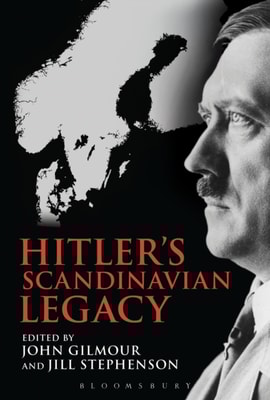
The Scandinavian [Nordic] countries of Denmark, Norway, Sweden, and Finland experienced the effects of the German invasion in April 1940 in very different ways.
The Nazi occupation of Europe of World War Two is acknowledged as a defining juncture and an important identity-building experience throughout contemporary Europe.
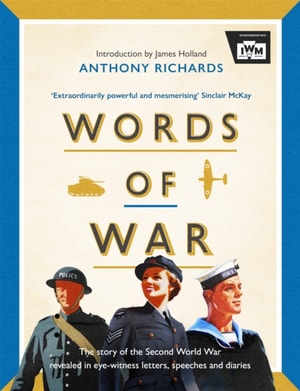
During the Second World War, across the frontline as well as on the Home Front, millions of people recorded their thoughts of their experiences - whether in letters, their personal diaries or those prosecuting the war giving speeches.
Al Murray's passion for military history and the Second World War in particular has always run parallel with his comedy and was brought to the fore with several acclaimed and award-winning television shows and the recent huge success of his podcast We Have Ways of Making You Talk which he hosts with fellow bestselling military author James Holland.
Juliet Gardiner's critically acclaimed book - the first in a generation to tell the people's story of the Second World War - offers a compelling and comprehensive account of the pervasiveness of war on the Home Front.
The men of the SBS are the maritime equivalent of their counterparts in the SAS; they are the elite of the British Special Forces and also the most secretive.
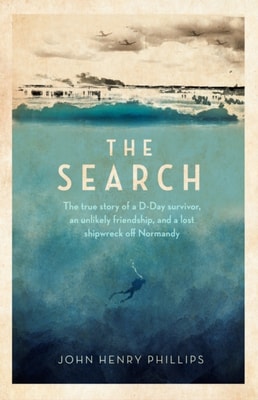
When archaeologist John Henry Phillips volunteered with a charity that took D-Day veterans back to Normandy, due to an administrative error he found himself without a hotel room and reliant on the generosity of one of the veterans who had a spare bed.
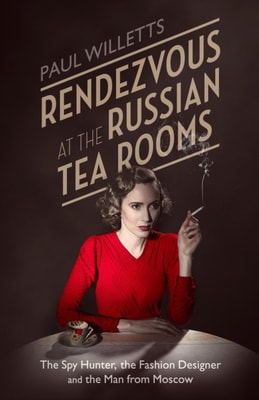
Rendezvous at the Russian Tea Rooms provides the first comprehensive account of what was once hailed by a leading American newspaper as the greatest spy story of World War II.
Sean Londgen has conducted numerous interviews and reveals a new perspective on life under the Nazis that has long been forgotten and replaced by the myth of Colditz and The Great Escape.
Stone & Stone World War II Books Editors ChoiceContinuing his magisterial account of the Eastern Front campaigns, the writer cited by The Atlantic as “indisputably the Wests foremost expert on the subject” focuses here on the Red Armys operations from the fall of 1943 through the April 1944.
This volume offers an unparalleled range of comparative studies considering both persecution and genocide across two thousand years of history from Rome to Nazi Germany, and spanning Europe, Asia, Africa, and the Americas.
This book examines the outcome of the British commitment to reconstitute a sovereign Polish state and establish a democratic Polish government after the Second World War.
This book employs a comparative approach to explore the decision-making processes behind the Japanese and Italian foreign policies concerned with East Asia, Africa, Europe and the Mediterranean.