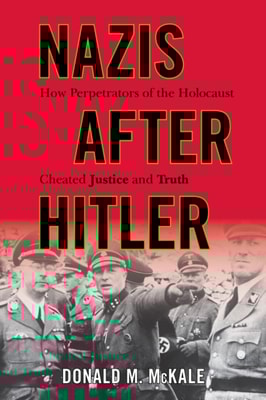
The stories of thirty war criminals who escaped accountability, from a historian praised for his "e;well written, scrupulously researched"e; work (The New York Times).
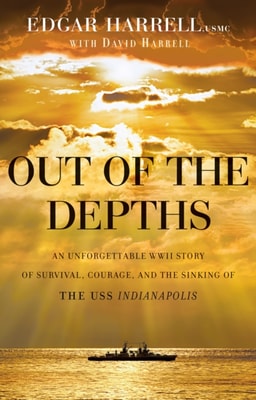
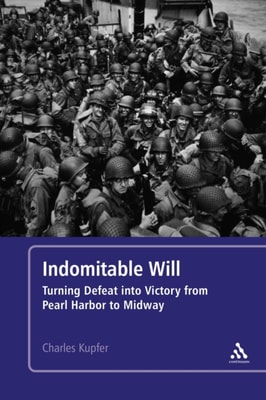
The Inspiring Story of a World War II Hero's Miraculous Survival at SeaJuly 30, 1945--The USS Indianapolis and its 1,196-man crew is making its way toward a small island in the South Pacific.
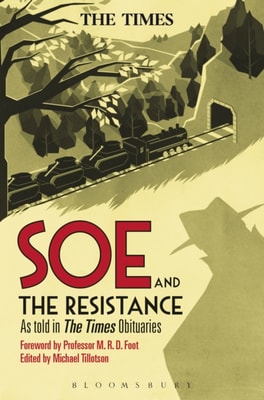
SOE and The Resistance describes the extraordinary contribution to the allied war effort made by the Special Operations Executive, from its formation in 1940 to the end of the war.
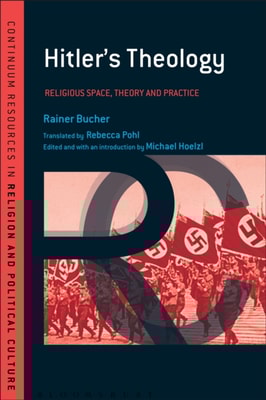
Hitler's Theology investigates the use of theological motifs in Adolf Hitler's public speeches and writings, and offers an answer to the question of why Hitler and his theo-political ideology were so attractive and successful presenting an alternative to the discontents of modernity.
Immortalised in Churchill's often quoted assertion that never before "e;was so much owed by so many to so few"e;, the top-down narrative of the Battle of Britain has been firmly established in British legend.
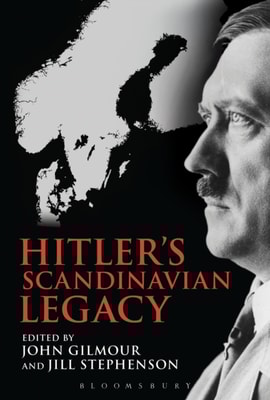
The Scandinavian [Nordic] countries of Denmark, Norway, Sweden, and Finland experienced the effects of the German invasion in April 1940 in very different ways.
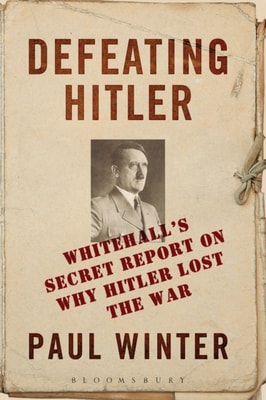
Published for the very first time, the top secret report Some Weaknesses in German Strategy and Organisation 1933 - 1945 was prepared by Whitehall's highest intelligence body, the Joint Intelligence Committee, and presented to Britain's Chiefs of Staff in 1946 to 'set down certain aspects of the War whilst there are still sources available who were closely connected with the events described'.
Groups of young evacuees, standing on railway stations with gas masks and cardboard suitcases have become an iconic image of wartime Britain, but their histories have eclipsed those of women whose domestic lives were affected.
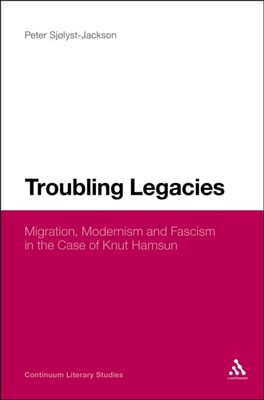
Modernist troublemaker in the 1890s, Nobel Prize winner in 1920, and indefensible Nazi sympathiser in the 1930s and 40s, Knut Hamsun continues to provoke condemnation, apologia and critical confusion.
The Normandy landings of 6 June 1944, across five sectors of the French coast - Utah, Omaha, Gold, Juno and Sword - constituted the largest amphibious invasion in history.
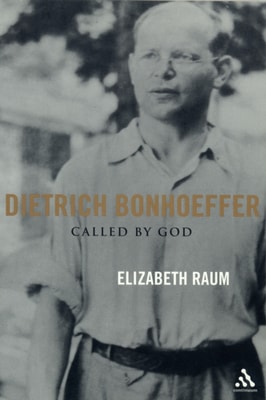
Nazi Germany produced an unusual group of Christian martyrs--among them, the nun philosopher Edith Stein, the mystical philosopher Simone Weil, and the peasant conscientious objector Hans JSgerstatter--but perhaps none so complex as the Lutheran theologian Dietrich Bonhoeffer.
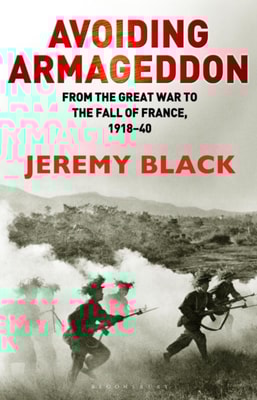
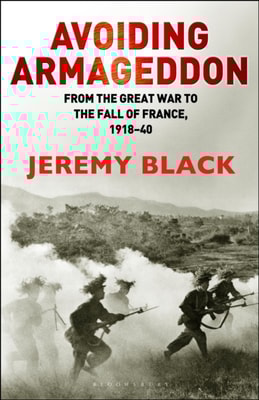
Here is an original and up-to-date account of a key period of military history, one that not only links the two World Wars but also anticipates the more complex nature of conflict following the Cold War.
Groups of young evacuees, standing on railway stations with gas masks and cardboard suitcases have become an iconic image of wartime Britain, but their histories have eclipsed those of women whose domestic lives were affected.
The string of military defeats during 1942 marked the end of British hegemony in Southeast Asia, finally destroying the myth of British imperial invincibility.
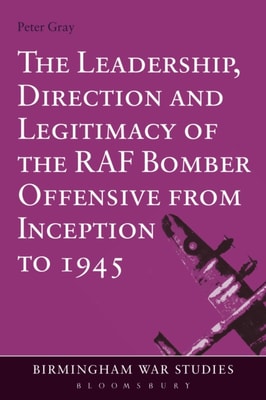
This book offers a fresh approach to the debate on the RAF's bomber offensive by using modern strategic leadership theory as an analytical tool to examine the campaign.
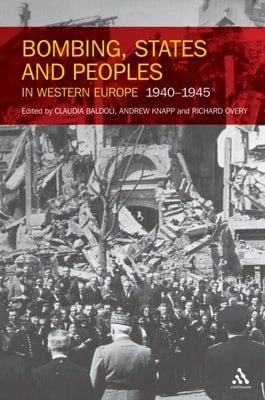
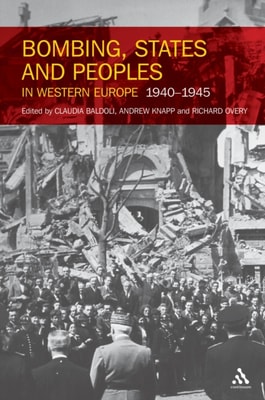
Forgotten Blitzes analyses how states and civil society in Vichy France and Fascist Italy reacted to the experience of Allied bombing between 1940 and 1945.
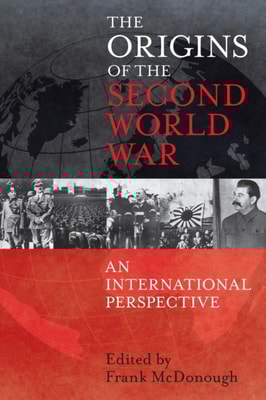
Many major world events have occurred since the last key anniversary of the beginning of the Second World War, and these events have had a dramatic impact on the international stage: 9/11, the Iraq War, climate change and the world economic crisis.
A Battle for Neutral Europe describes and analyses the forgotten story of the British government's cultural propaganda organization, the British Council, in its campaign to win the hearts and minds of people in neutral Europe during the Second World War.
Crime, Regulation and Control during the Blitz looks at the social effect of bombing on urban centres like Liverpool, Coventry and London, critically examining how the wartime authorities struggled to regulate and control crime and offending during the Blitz.
Forgotten Blitzes analyses how states and civil society in Vichy France and Fascist Italy reacted to the experience of Allied bombing between 1940 and 1945.
The period of the 'long' Second World War (1936-1948) was marked by mass movements of diverse populations: 60 million people either fled or were forced from their homes.
Nazi Germany produced an unusual group of Christian martyrs--among them, the nun philosopher Edith Stein, the mystical philosopher Simone Weil, and the peasant conscientious objector Hans JSgerstatter--but perhaps none so complex as the Lutheran theologian Dietrich Bonhoeffer.
Crime, Regulation and Control during the Blitz looks at the social effect of bombing on urban centres like Liverpool, Coventry and London, critically examining how the wartime authorities struggled to regulate and control crime and offending during the Blitz.
SOE and The Resistance describes the extraordinary contribution to the allied war effort made by the Special Operations Executive, from its formation in 1940 to the end of the war.
A Battle for Neutral Europe describes and analyses the forgotten story of the British government's cultural propaganda organization, the British Council, in its campaign to win the hearts and minds of people in neutral Europe during the Second World War.
The period of the 'long' Second World War (1936-1948) was marked by mass movements of diverse populations: 60 million people either fled or were forced from their homes.
The Normandy landings of 6 June 1944, across five sectors of the French coast - Utah, Omaha, Gold, Juno and Sword - constituted the largest amphibious invasion in history.
Through exploring the battle of ideas set in motion in August 1914, First World War: Still No End In Sight provides a framework for understanding the changing focus of political conflict from ideology to culture.
Hitler's Theology investigates the use of theological motifs in Adolf Hitler's public speeches and writings, and offers an answer to the question of why Hitler and his theo-political ideology were so attractive and successful presenting an alternative to the discontents of modernity.
Using government records, private letters and diaries and contemporary media sources, this book examines the key themes affecting the relationship between Britain and the Dominions during the Second World War, the Empire's last great conflict.
The string of military defeats during 1942 marked the end of British hegemony in Southeast Asia, finally destroying the myth of British imperial invincibility.
Holocaust Remembrance Between the National and the Transnational provides a key study of the remembrance of the Jewish Catastrophe and the Nazi-era past in the world arena.
Here is an original and up-to-date account of a key period of military history, one that not only links the two World Wars but also anticipates the more complex nature of conflict following the Cold War.
This book offers a fresh approach to the debate on the RAF's bomber offensive by using modern strategic leadership theory as an analytical tool to examine the campaign.