This edited collection brings together cutting-edge research on British masculinities and male culture, considering the myriad ways British men experienced, understood and remembered their exploits during the Second World War, as active combatants, prisoners and as civilian workers.
Focused on 'The Holocaust in an Age of Genocide', Remembering for the Future brings together the work of nearly 200 scholars from more than 30 countries and features cutting-edge scholarship across a range of disciplines, amounting to the most extensive and powerful reassessment of the Holocaust ever undertaken.
Many of the world's leading authorities in history, sociology, political science and psychology shed new light on the major genocides of the twentieth century.
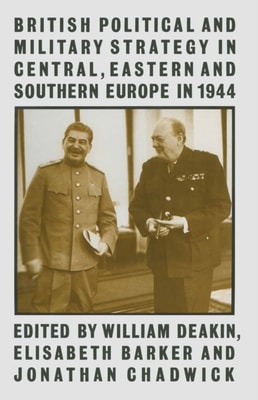
This collection by leading British and American scholars on twentieth century international history covers the strategy, diplomacy and intelligence of the Anglo-American-Soviet alliance during the Second World War.
'The most significant issue that Dockrill addresses is that of how Japan views the war in retrospect, a question which not only tells us a lot about how events were seen in Japan in 1941 but is also, a matter still of importance in contemporary East Asian politics.
Based largely upon unpublished sources, Omer Bartov's study looks closely at the background of the German army on the Eastern Front during the Second World War.
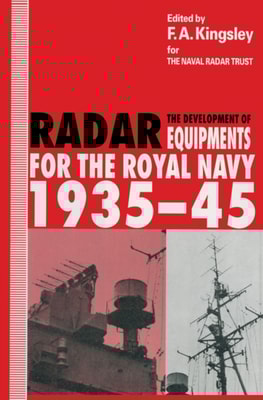
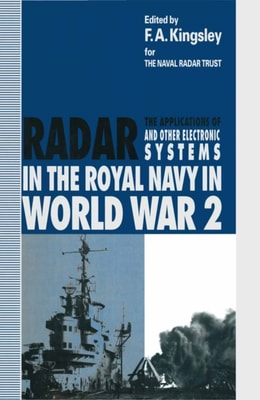
This book presents authoritative accounts of the evolution, development and application of Royal Naval radar from its inception in 1935 until the end of World War 2.
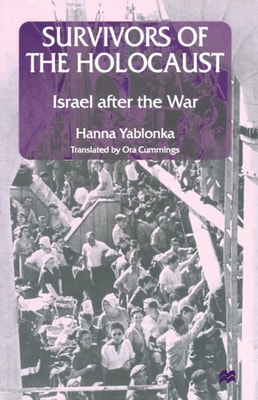
The neutrality maintained by Turkey during most of the Second World War enabled it to rescue thousands of Jews from the Holocaust in the Nazi-occupied or collaborating countries of Europe.
This book presents a collection of authoritative accounts of the evolution and application of Royal Naval shipborne radars during World War 2 in the fields of weapon control, weapon direction, action information and fighter direction.
Covering the period 1943-45, these diaries cover issues such as the Bretton Woods UN Monetary Conference in 1944 and loan negotiations and the ITO, as recorded by Meade and Robbins.
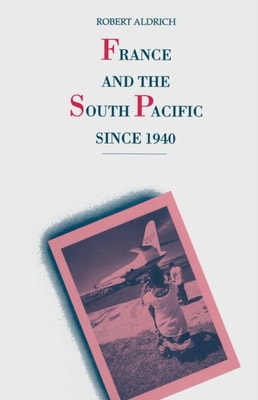
For some, Tahiti, New Caledonia and Wallis and Futuna are idyllic tropical islands with a French flavour, while for others they represent continuing French colonialism, thwarted independence movements and nuclear testing.