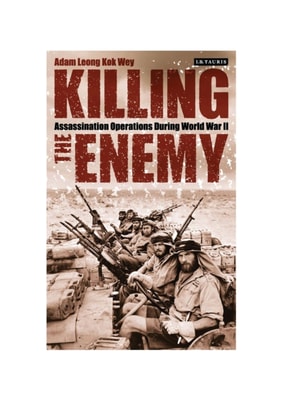
During World War II, the British formed a secret division, the 'SOE' or Special Operations Executive, in order to support resistance organisations in occupied Europe.
During World War II, the British formed a secret division, the 'SOE' or Special Operations Executive, in order to support resistance organisations in occupied Europe.
Operation Barbarossa, Hitler's invasion of the Soviet Union in 1941, led to one of the most brutal campaigns of World War II: of the estimated 70 million people who died in World War II, over 30 million died on the Eastern Front.
During World War II, Britain enjoyed spectacular success in the secret war between hostile intelligence services, enabling a substantial and successful expansion of British counter-espionage which continued to grow in the Cold War era.
The story of Raoul Wallenberg - the Swedish businessman who, at immense personal risk, rescued many of Budapest's Jews from the Holocaust and subsequently disappeared into the Soviet prison system - is one of the most fascinating episodes of World War II.
The Royal Navy's operations in World War II started on 3 September 1939 and continued until the surrender of Japan in August 1945 - there was no 'phoney war' at sea.
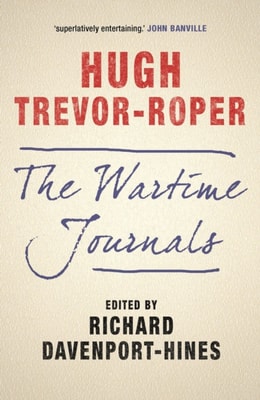
As a British Intelligence Officer during World War II, Hugh Trevor-Roper was expressly forbidden from keeping a diary due to the sensitive and confidential nature of his work.
On 3 September 1939, Robert Menzies, the Australian Prime Minister, broadcast to the Australian people the news that their country was at war with Germany.
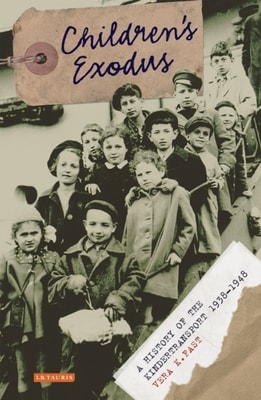
In the months leading up to the outbreak of World War Two, Britain rushed to evacuate nearly 10,000 Jewish children from the Nazi occupied territories.
In January 1942, the Declaration by United Nations forged a military alliance based on human rights principles that included over 24 countries, marking the beginning of the UN.
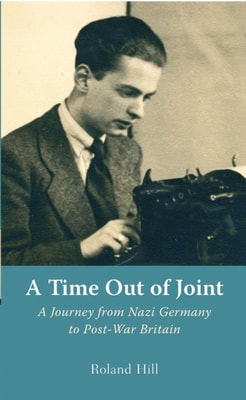
Roland Hill's autobiography, "e;A Time Out of Joint"e;, is a remarkable and moving personal story and much more: it enables readers to re-live European history during the darkest period of Nazi Germany and World War II, when traditional European culture and civilisation generally seemed to be extinguished, but also to experience the return of peace and a time of hope.
This is the most comprehensive analysis to date of Nazi film propaganda in its political, social, and economic contexts, from the pre-war cinema as it fell under the control of the Propaganda Minister, Joseph Goebbels, through to the end of the Second World War.
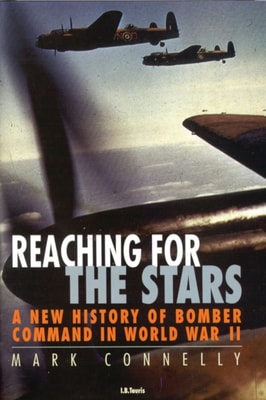
_Reaching for the Stars_ shows why Bomber Command, in one of the largest and bloodiest campaigns of the war, with 55,000 aircrew lost and more officer fatalities than in World War I, has received so much attention and yet remains a 'lost and black sheep' among British wartime achievements.
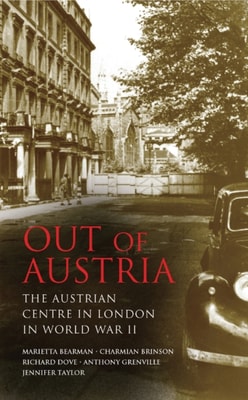
The Austrian Centre was established in London in 1939 by Austrians seeking refuge from Nazi Germany, of whom 30,000 had reached Britain by the outbreak of World War II.
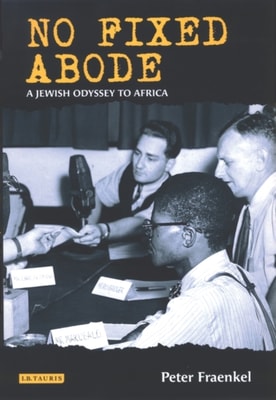
Peter Fraenkel here gives a vivid account of a childhood in a middle-class, non-observant Jewish family in Nazi Germany, forced to emigrate to Zambia (then Northern Rhodesia) in 1939.
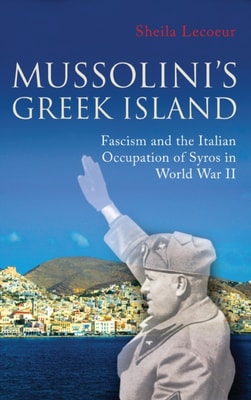
A powerful and unique study of the realities and long-term impact of occupation, "e;Mussolini's Greek Island"e; reveals the Italian dictator's imperial vision, the mechanisms of Italian occupation and its tragic consequences.
The Holocaust - the murder of approximately six million Jews by Nazi Germany and its collaborators in World War Two - is the gravest crime in recorded history, committed on a human and geographical scale which is almost unimaginable.
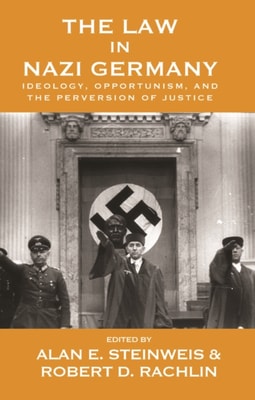
While we often tend to think of the Third Reich as a zone of lawlessness, the Nazi dictatorship and its policies of persecution rested on a legal foundation set in place and maintained by judges, lawyers, and civil servants trained in the law.
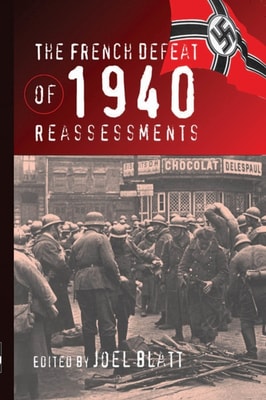
Why France, the major European continental victor in 1918, suffered total defeat in six weeks at the hands of the vanquished power of 1918 only two decades later remains moot.