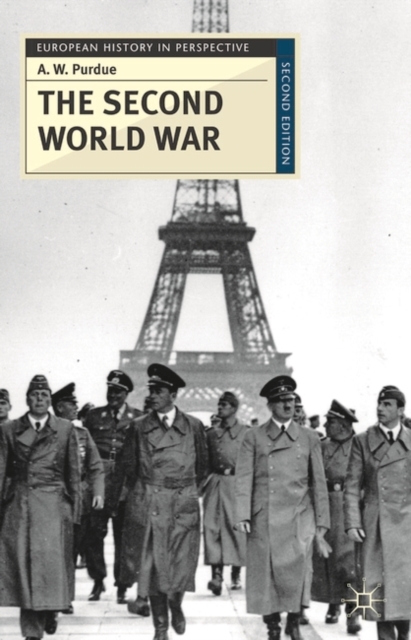
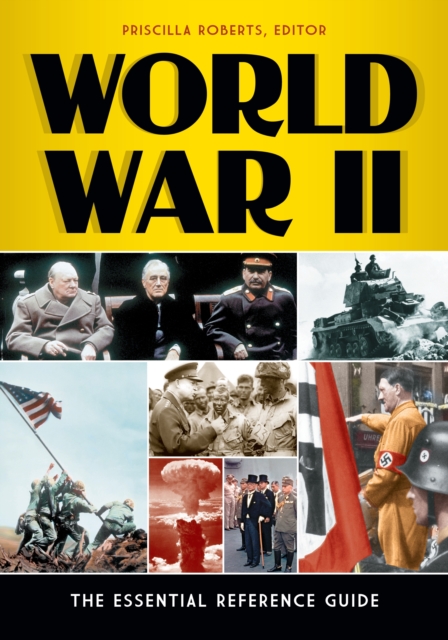
The Second World War ended the Nazi attempt to establish Germany as the dominant power in Europe and the world; and Japan's aim of controlling South East Asia and the Pacific.
For two Americans in Saigon in 1963, the personal and the political combine to spark the drama of a lifetime Before it spread into a tragic war that defined a generation, the conflict in Vietnam smoldered as a guerrilla insurgency and a diplomatic nightmare.
For two Americans in Saigon in 1963, the personal and the political combine to spark the drama of a lifetime Before it spread into a tragic war that defined a generation, the conflict in Vietnam smoldered as a guerrilla insurgency and a diplomatic nightmare.
WINNER OF THE NOBEL PRIZE IN LITERATURE 2024SHORTLISTED FOR FOYLES BOOK OF THE YEAR 2025Like a long winter s dream, this haunting and visionary new novel from 2024 Nobel Prize winner Han Kang takes us on a journey from contemporary South Korea into its painful history One of the most profound and skilled writers working on the contemporary world stage Deborah LevyBeginning one morning in December, We Do Not Part traces the path of Kyungha as she travels from the city of Seoul into the forests of Jeju Island, to the home of her old friend Inseon.
How did white Southerners in the nineteenth century reconcile a Christian faith that instructed them to turn the other cheek with a pervasive code of honor that instructed them to do just the opposite-to demand satisfaction for perceived insults?
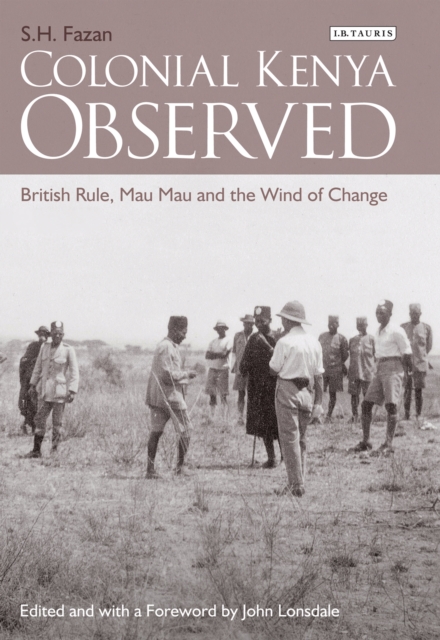
The coast of East Africa was considered a strategically invaluable region for the establishment of trading ports, both for Arab and Persian merchants, long prior to invasion and conquest by Europeans.
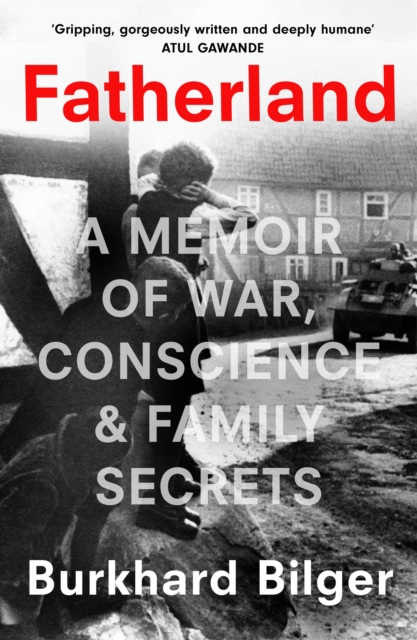
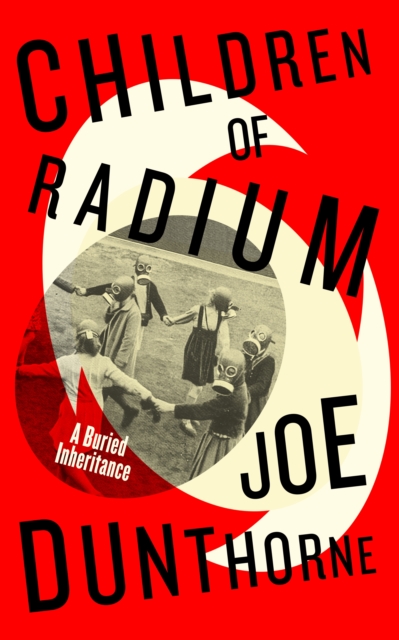
A New Yorker staff writer, investigates his grandfather, a Nazi Party Chief, in this "e;unflinching, gorgeously written, and deeply moving exploration of morality, family, and war"e; (Patrick Radden Keefe, author of Empire of Pain)'The book we need right now' Atul Gawande, author of Being MortalWhat do we owe the past?
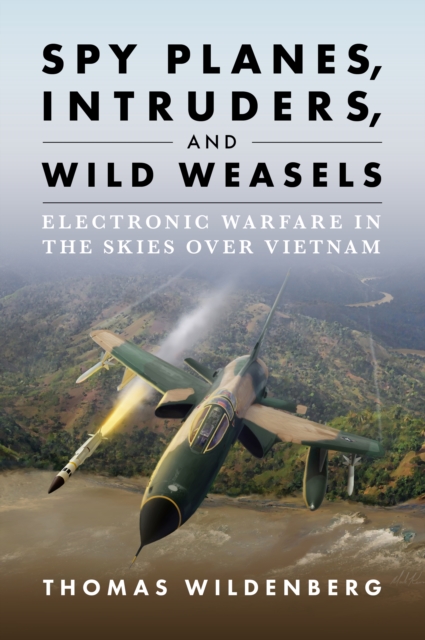
Spy Planes, Intruders, and Wild Weasels examines the emergence of electronic warfare and SEAD as critical components of air strategy during the Vietnam War.
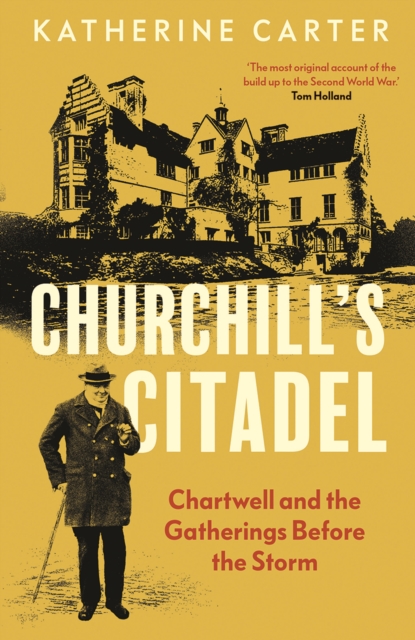
A major new history of Churchill in the 1930s, showing how his meetings at Chartwell, his country home, strengthened his fight against the Nazis In the 1930s, amidst an impending crisis in Europe, Winston Churchill found himself out of government and with little power.
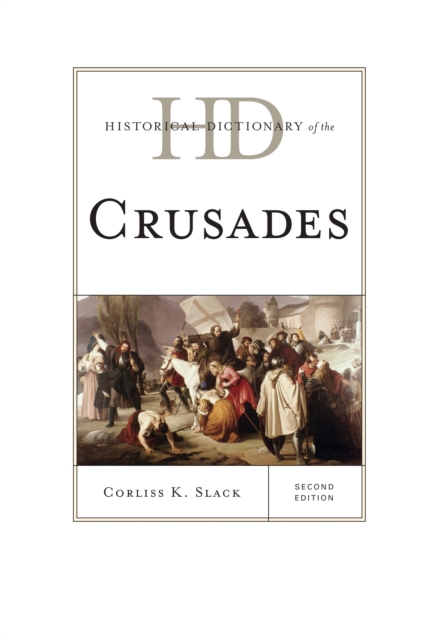
The crusades were among the longest and most bitter wars in human history and consisted of no less than seven major expeditions from Western Europe from the late 11th to the early 14th centuries for the purpose of wresting Jerusalem and the Holy Land from the control of the Muslims.
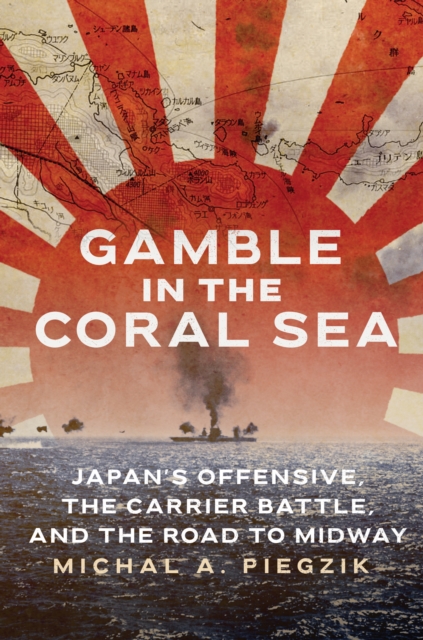
Driven by extensive Japanese primary sources, Gamble in the Coral Seaoffers an operational analysis of thefirst clash of aircraft carriers at the pivotal Battle of the Coral Sea from the Japanese perspective, including leadership, tactics, and errors that brought a numeric victory but a strategic loss for Japan that halted their bold advance into the South Pacific and ultimately set the stage for Midway.
From Crusade to Hazard: The Denazification of Bremen Germany relates how the American and British combat forces and military government officers occupied, administered, and denazified Bremen and its environs from 1945 to 1947.
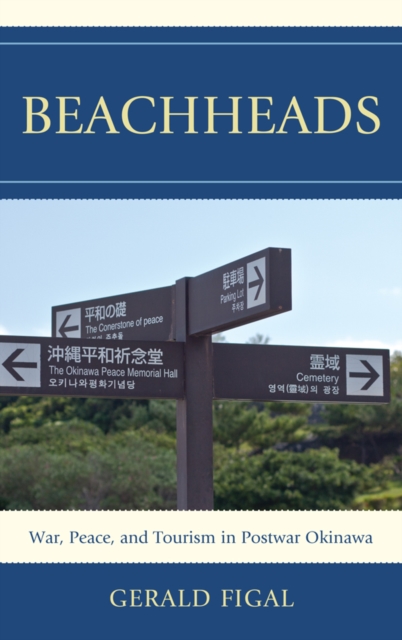
This original and fresh book explores Okinawa's makeover as a tourist mecca in the long historical shadow and among the physical ruins of the Pacific War's most devastating land battle.
How did white Southerners in the nineteenth century reconcile a Christian faith that instructed them to turn the other cheek with a pervasive code of honor that instructed them to do just the opposite-to demand satisfaction for perceived insults?
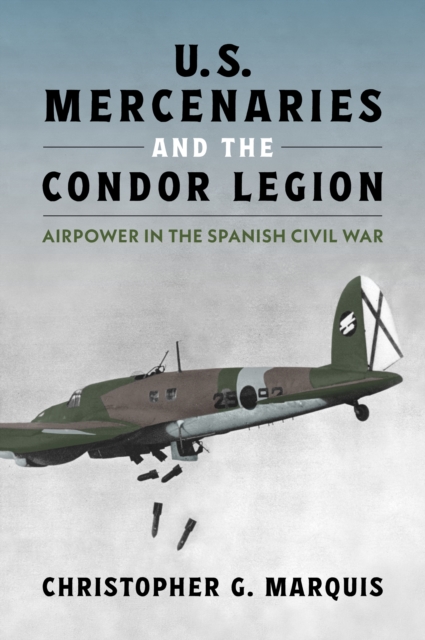
American military attaches document the impact of airpower during the Spanish Civil War, featuring intervention by some of the strongest air forces in the world in a prelude to World War II.
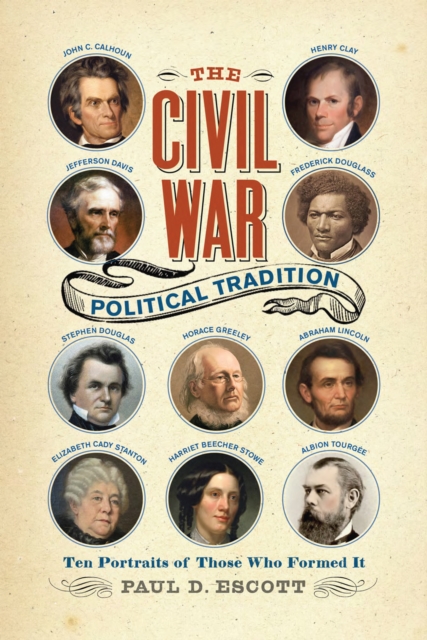
Modeling his latest book on Richard Hofstadter's 1948 classic The American Political Tradition and the Men Who Made It, the renowned historian Paul Escott has composed ten concise but deeply learned and incisive biographies of key Americans in the years leading up to the Civil War.
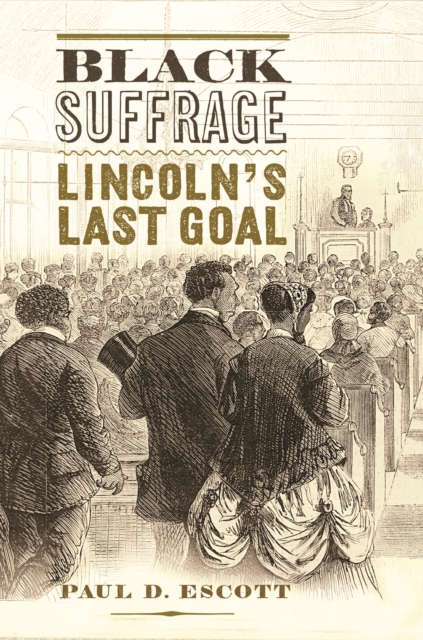
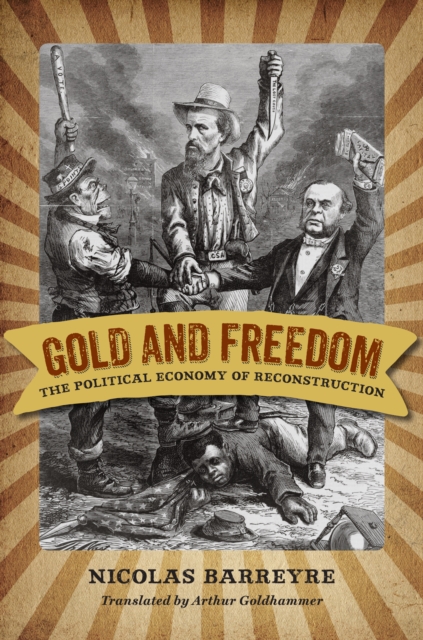
In April 1865, as the Civil War came to a close, Abraham Lincoln announced his support for voting rights for at least some of the newly freed enslaved people.
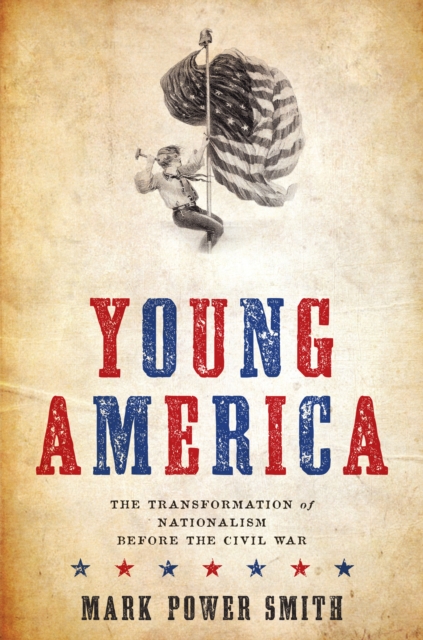
The Young Americans were a nationalist movement within the Democratic Party made up of writers and politicians associated with the New York periodical, the Democratic Review.
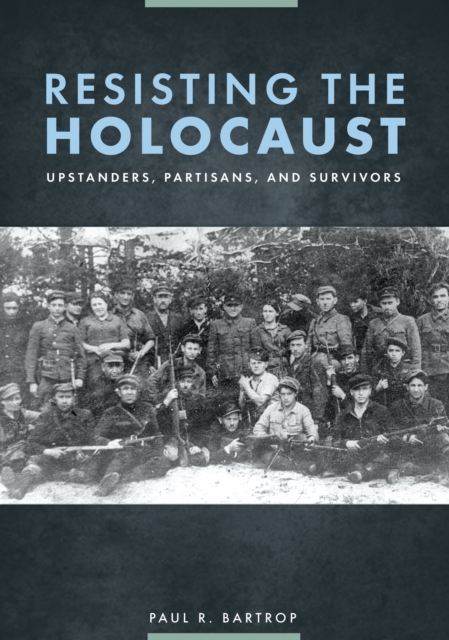
This book enables readers to learn about upstanders, partisans, and survivors from first-hand perspectives that reveal the many forms of resistance-some bold and defiant, some subtle-to the Nazis during the Holocaust.
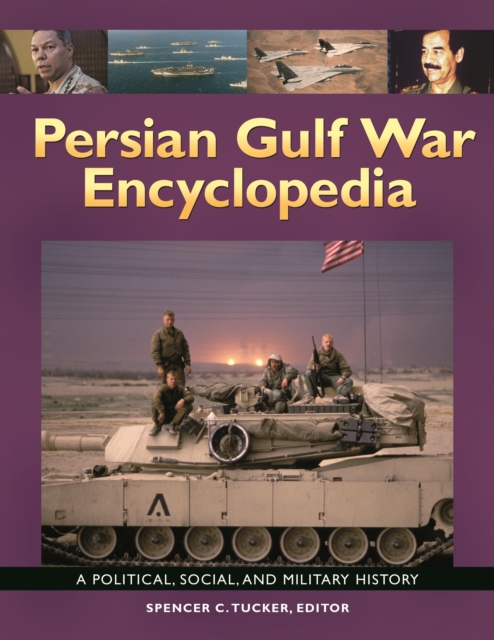
Ideal for high school and college-level readers as well as students attending military academies and general audiences, this encyclopedia covers the details of the Persian Gulf War as well as the long-term consequences and historical lessons learned from this important 20th-century conflict.
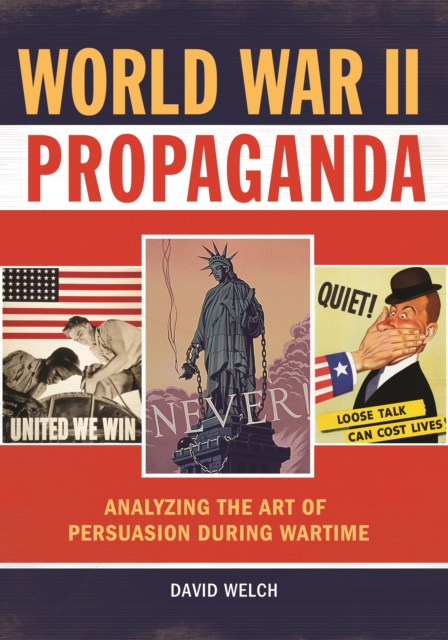
Shows in illuminating detail how the Allied and Axis forces used visual images and other propaganda material to sway public opinion during World War II.
In this book an internationally renowned team of historians provides comprehensive coverage of all major campaigns and theaters of World War II, synthesizing the tremendous breadth and depth of source materials on this global conflict.
Driven by extensive Japanese primary sources, Gamble in the Coral Seaoffers an operational analysis of thefirst clash of aircraft carriers at the pivotal Battle of the Coral Sea from the Japanese perspective, including leadership, tactics, and errors that brought a numeric victory but a strategic loss for Japan that halted their bold advance into the South Pacific and ultimately set the stage for Midway.
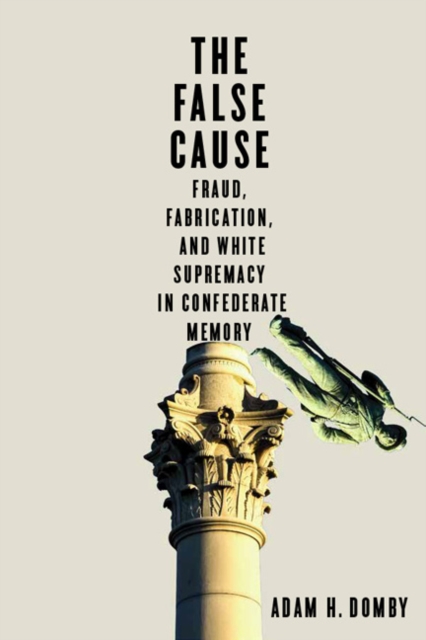
The Lost Cause ideology that emerged after the Civil War and flourished in the early twentieth century in essence sought to recast a struggle to perpetuate slavery as a heroic defense of the South.
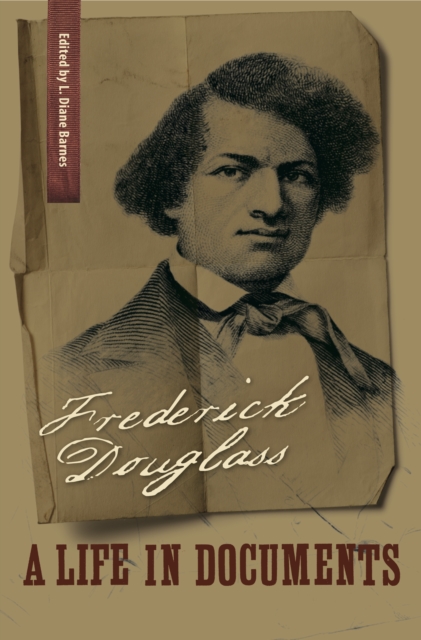
Frederick Douglass was born enslaved in February 1818, but from this most humble of beginnings, he rose to become a world-famous orator, newspaper editor, and champion of the rights of women and African Americans.
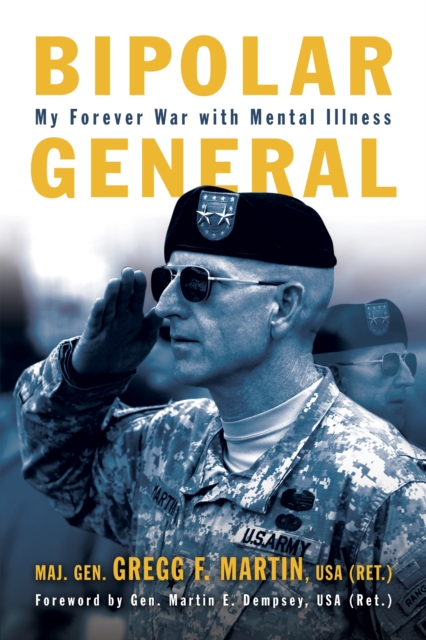
Recipient of a 2023 Army Historical Foundation Distinguished Writing AwardA deeply personal memoir of leadership, mental illness, and one general's battle with late-onset bipolar disorder.
Recipient of a 2023 Army Historical Foundation Distinguished Writing AwardA deeply personal memoir of leadership, mental illness, and one general's battle with late-onset bipolar disorder.
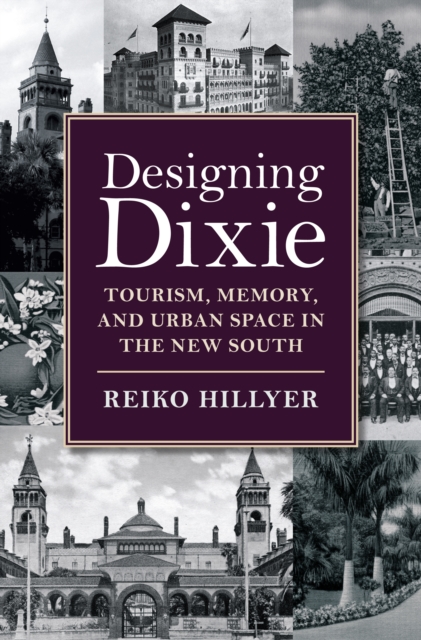
Although many white southerners chose to memorialize the Lost Cause in the aftermath of the Civil War, boosters, entrepreneurs, and architects in southern cities believed that economic development, rather than nostalgia, would foster reconciliation between North and South.
This collection of essays, organized around the theme of the struggle for equality in the United States during the nineteenth and twentieth centuries, also serves to honor the renowned Civil War historian James McPherson.
Off-beat, irreverent and subversive a Jewish family memoir about convenient delusions and unsayable truths, from the acclaimed author of the cult classic novel, Submarine'The best book I ve read in the past year .
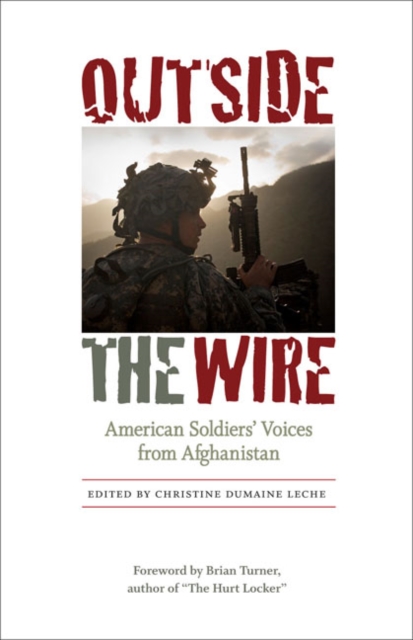
A riveting collection of thirty-eight narratives by American soldiers serving in Afghanistan, Outside the Wire offers a powerful evocation of everyday life in a war zone.
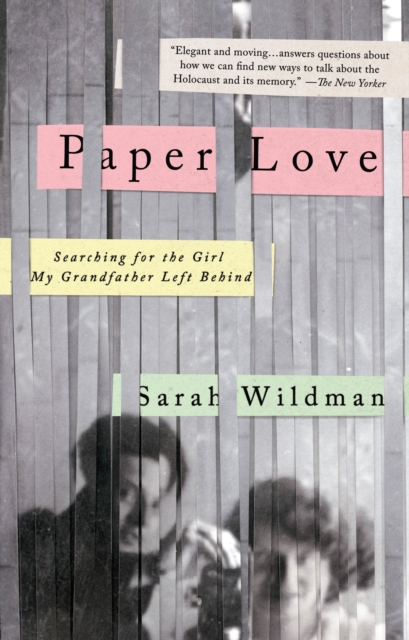
One woman’s journey to find the lost love her grandfather left behind when he fled pre-World War II Europe, and an exploration into family identity, myth, and memory.