In December 2007, Stephen Grey, a Sunday Times reporter, was under fire in Afghanistan as British and US forces struggled to liberate the Taliban stronghold of Musa Qala.
'Every line of serious work that I have written since 1936 has been written, directly or indirectly, against totalitarianism and for democratic Socialism as I understand it'.
* * * Special 75th Anniversary Edition * * * Hugh Sebag-Montefiore's Dunkirk: Fight to the Last Man tells the story of the rescue in May 1940 of British soldiers fleeing capture and defeat by the Nazis at Dunkirk.
1914-1918, David Stevenson's history of the First World War, has been acclaimed as the definitive one-volume account of the conflictIn the summer of 1914 Europe exploded into a frenzy of mass violence.
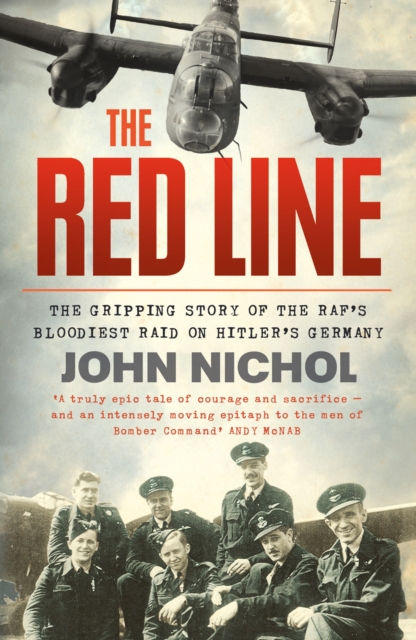
From best-selling author of Tail-End Charlie and Tornado Down comes this powerful and deeply moving account of Bomber Command's 1944 Nuremberg Raid - the RAF's bloodiest night of the Second World WarMore men from Royal Air Force Bomber Command died on one single night of the Second World War than the total RAF aircrew losses during the whole of the four-month-long Battle of Britain.
Adam Tooze's The Wages of Destruction: The Making and Breaking of the Nazi Economy provides a groundbreaking new account of how Hitler established himself in power, mobilized for war - and led his country to annihilation.
Selected as the Sunday Times History Book of the Year for 2012, this is a meticulous work of scholarship from the foremost historian of 20th-century Spain.
Colonel Gadaffi's Hat is both a gripping and deeply moving account of the Libyan uprising from the lone journalist who was able to report from the rebel army convoy that captured Green Square, in the heart of Tripoli.
The winner of the 2013 Longman-History Today Book Prize is the gripping and largely untold story of the role of the intelligence services in Britain's retreat from empire.
A thoroughly updated history of the legendary French Foreign Legion by the bestselling author of Who Dares WinsTony Geraghty analyses the legend and re-examines the battle honours of the Foreign Legion, and his revelations illuminate the darker side of its historic relationship to the motherland.
In this fully illustrated ebook, TV's Dan Snow brings to life a cavalcade of medieval fortifications and allows the reader to experience the clashes up close.
From the redcoat who served Charles II to the modern, camouflage-clad guard at Camp Bastion, from battlefield to barrack-room, this is a magisterial social history of the British soldier.
An extraordinary story of war and friendship from one of America's most revered authors of the 20th CenturyTwo teenagers form an unlikely friendship in pre-War Philadelphia.
From the author of 'Britain BC', 'Britain AD' and 'Britain in the Middle Ages' comes the fourth and final part in a critically acclaimed series on Britain's hidden past.
The bomber pilot whose bravery in the Battle of Midway changed the course of WWII recounts his story in this extraordinary memoir: "e;An instant classic"e; (Dallas Morning News).
NATIONAL BESTSELLERThe"e;riveting"e; (National Post) tick-tock accountof the largest manmade explosion in historyprior tothe atomic bomb,and the equally astonishing tales of survival and heroism that emerged from the ashesEnthralling.
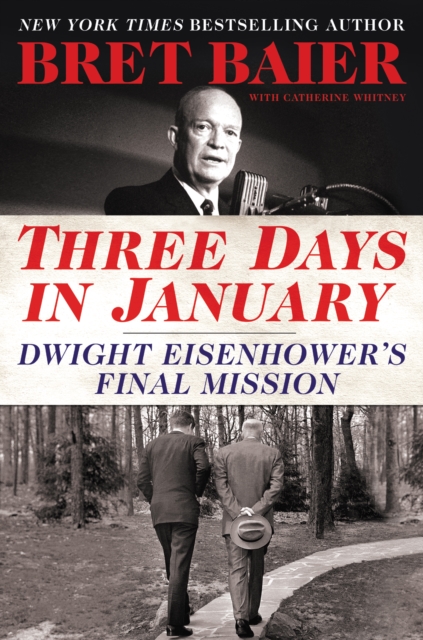
The blockbuster #1 national bestsellerBret Baier, the Chief Political Anchor for Fox News Channel and the Anchor and Executive Editor of Special Report with Bret Baier, illuminates the extraordinary yet underappreciated presidency of Dwight Eisenhower by taking readers into Ikes last days in power.
From the author of 'The Pike' - winner of the 2013 Samuel Johnson prize for non-fiction - a compelling story of heroism told through eight famous lives that span from Achilles to Sir Francis Drake.
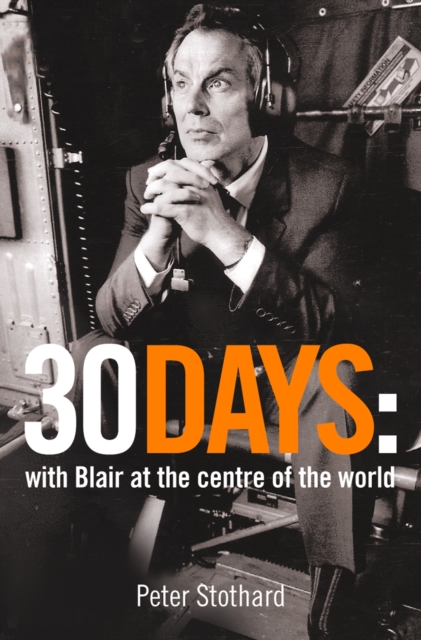
A unique, unprecedented eyewitness account of the thirty most critical days of Tony Blair's political career as Prime Minister, from 10 March 2003 to the end of the second Gulf War, written by the former editor of The Times.