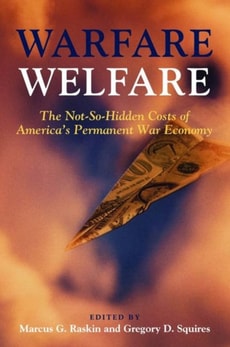
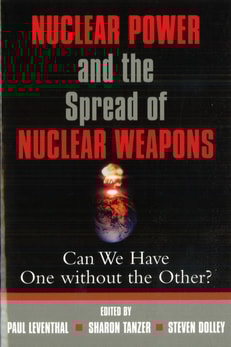
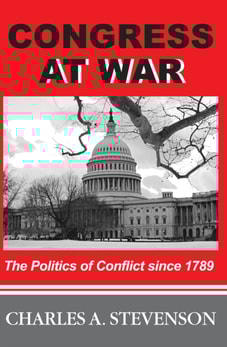
This edited volume reveals how a permanent war economy has made the United States unable to spread democracy abroad and has worsened domestic problems.
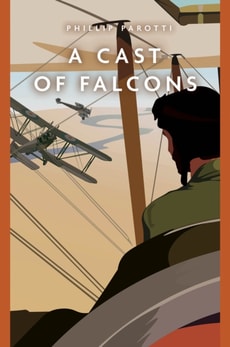
For the men of the Army Air Corps in early World War II, the chance of surviving the obligatory twenty-five missions without death, injury, or imprisonment was one in three.
In August 1942, Hitler directed all German state institutions to assist Heinrich Himmler, the chief of the SS and the German police, in eradicating armed resistance in the newly occupied territories of Eastern Europe and Russia.
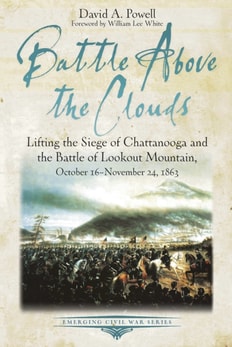
In October 1863, the Union Army of the Cumberland was besieged in Chattanooga, all but surrounded by familiar opponents: The Confederate Army of Tennessee.
This pioneering book, now thoroughly updated to incorporate important research, explains the causes of war through a sustained combination of theoretical insights and detailed case studies.
What would cause an otherwise intelligent, well-educated, and, by all accounts, privileged Californian to forgo an easy life in the United States to struggle for survival in a land of strife and mortal danger?
In the wake of California's energy crisis, policymakers' rush to satisfy growing demand requirements may run the risk of naively ignoring the larger issues and dangers associated with increased reliance on nuclear power.
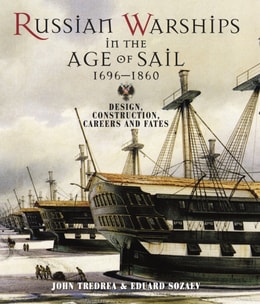
Peter the Great created the Russian navy from nothing, but it soon surpassed Sweden as the Baltic naval power, while in the Black Sea it became an essential tool in driving back the Ottoman Turks from Europe.
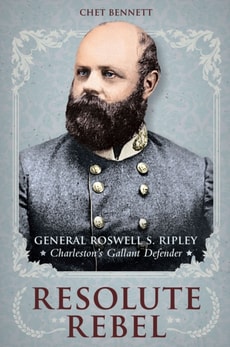
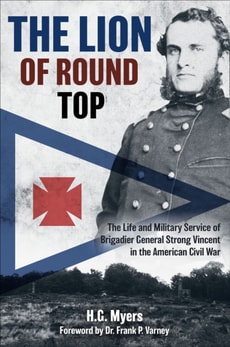
"e;This military biography clearly and informatively rescues from an undeserved obscurity one of the Union's key commanders at the battle of Gettysburg.
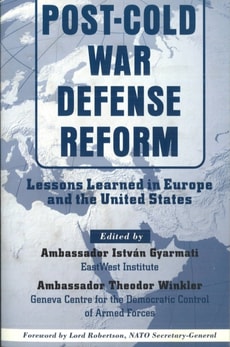
Beginning with the landslide political changes in Europe in the early 1990s, politicians and military planners started to contemplate the possible effects on military postures.
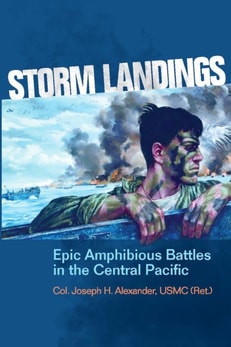
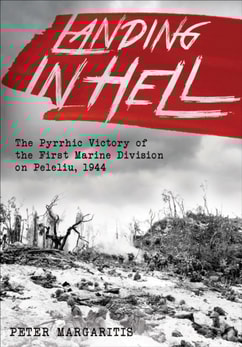
The Pacific War changed abruptly in November 1943 when Admiral Chester Nimitz unleashed a relentless 18-month, 4,000-mile offensive across the Central Pacific, spearheaded by fast carrier task forces and U.
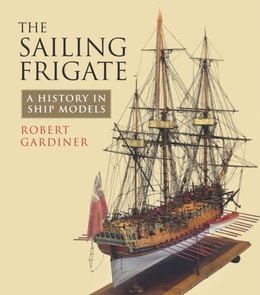
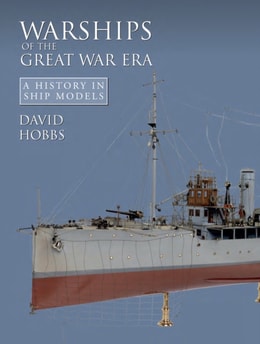
The National Maritime Museum in Greenwich houses the largest collection of scale ship models in the world, many of which are contemporary artifacts made by the craftsmen of the navy or the shipbuilders themselves, ranging from the mid-seventeenth century to the present day.
"Sonnenrad und Hakenkreuz" begibt sich auf die Spuren eines dramatischen und von Mythen umsponnenen Themas aus der Geschichte des Zweiten Weltkriegs: das Schicksal jener 4.
Written by veteran aerospace journalist Bob Ward, who spent years investigating his subject, this biography presents a revealing but even-handed portrait of the father of modern rocketry.
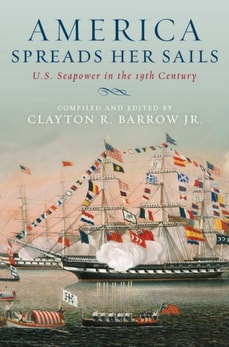
In this new paperback edition of America Spreads Her Sails, fourteen writers and historians demonstrate how American men and goods in American-made ships moved out over Alfred Thayer Mahan's "e;broad common,"e; the sea, to extend the country's commerce, power, political influence, and culture.
Historians have published countless studies of the American Civil War from 1861 to 1865 and the era of Reconstruction that followed those four years of brutally destructive conflict.
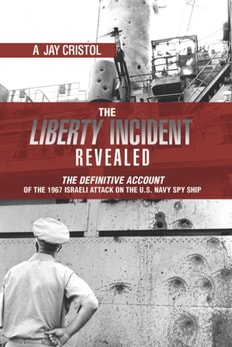
Cutting through all of the controversy and conspiracy theories about Israels deadly attack on the USS Liberty in June 1967 at the height of the Six Day War, Cristol revises his well-regarded book about the event with a complete, in-depth analysis of all of the sources, including recently released tapes from National Security Agency.
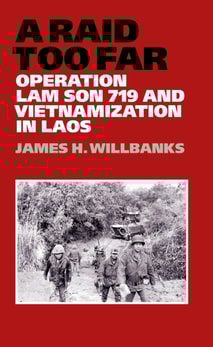
In February 1971, the Army of the Republic of Vietnam (ARVN) launched an incursion into Laos in an attempt to cut the Ho Chi Minh Trail and destroy North Vietnamese Army (NVA) base areas along the border.
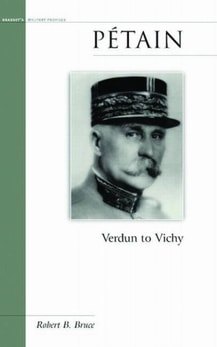
Few figures in modern French history have aroused more controversy than Marshal Philippe Petain, who rose from obscurity to great fame in the First World War only to fall into infamy during the dark days of Nazi occupation in World War II.