Immortalized by David Farragut's apothegm, "e;Damn the torpedoes, full speed ahead,"e; the Battle of Mobile Bay remains one of history's great naval engagements, a contest between two admirals trained in the same naval tradition who once fought under the same flag.
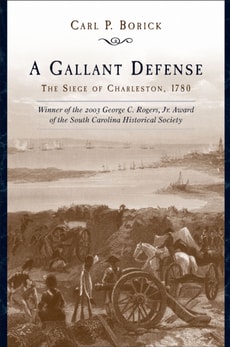
This detailed account of Britain's Siege of Charleston is "e;a welcome addition to the history of South Carolina and of the American Revolution"e; (Journal of Military History).
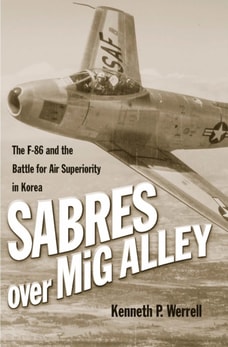
This is the story of the first jet versus jet war, the largest in number of victories and losses, and one of the few military bright spots in the Korean War.
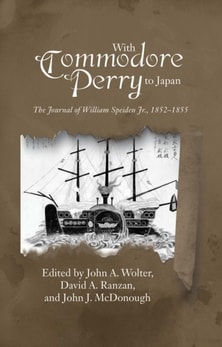
With Commodore Perry to Japan offers a personable account of Commodore Perrys expedition to Japan through the eyes of a sixteen-year-old pursers clerk of the Mississippi.
This analytic and historical study provides a revealing look at naval operational intelligence by embracing the fundamental question of what OPINTEL is and how it answers the fundamental question "e;Where is the enemy, in what strength, and disposition, and what is he doing right now?
This is a story of adventure in the Hindu Kush Mountains, and of a previously untold Military and Naval Intelligence Mission along about 800 miles of the Durand Line in World War II.
The Captain from Connecticut is the definitive biography of the man who became a national hero as the commander of the USS Constitution in her dramatic victory over HMS Guerriere in the War of 1812.
In today's world of satellites and electronic spying it is hard to appreciate the difficulties involved two centuries ago in collecting and disseminatingsecret intelligence in a time of war.
In 1949, as the Chinese Civil War was about to enter its final, explosive stage, the small British frigate HMS Amethyst was sent on a dangerous mission up the Yangtze River to protect British citizens in Nanking.
Air Force navigators and bombardiers have long labored under the shadow of pilots--their contributions undervalued, misunderstood, or simply unknown to the general public.
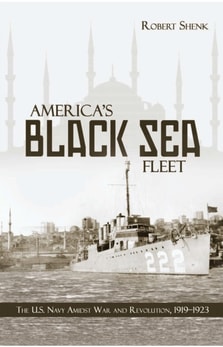
Drawing on previously untapped sources, Robert Shenk offers a revealing portrait of America's small Black Sea fleet in the years following World War I.
A classic account of the 40-year Naval career of Benjamin Franklin Isherwood, whose contributions to Naval engineering helped usher in the development of the modern American Navy.
A major work by one of Japan's leading naval historians, this book traces Alfred Thayer Mahan's influence on Japan's rise as a sea power after the publication of his classic study, The Influence of Sea Power Upon History.
Welcomed as the first book about American submarines in World War II to be written by a man who actually fought them, this compelling personal account of the war beneath the sea firmly established Edward L.
A World War II adventure story of epic proportions, this book tells the heroic tale of a dedicated band of men who refused to let their crippled ship sink to the bottom of the Pacific in late 1944.
Many regard this work as the definitive account of a controversial conflict of the war in the Pacific, the June 1944 battle known as the "e;Great Marianas Turkey Shoot.
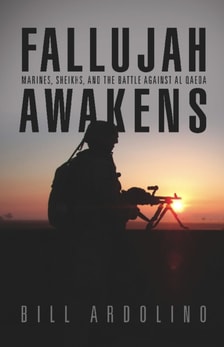
The cradle of an insurgency that plunged Iraq into years of chaos and bloodshed, Fallujah conjures up images of the brutal house-to-house fighting that occurred during the 2004 U.
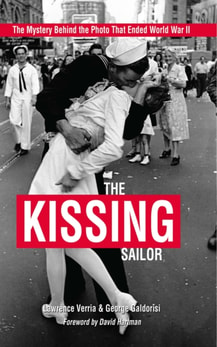
On August 14, 1945, Alfred Eisenstaedt took a picture of a sailor kissing a nurse in Times Square, minutes after they heard of Japan's surrender to the United States.
In the years before the outbreak of the war in the Pacific, Guam was a paradise for the Navy, Marine and civilian employees of Pan American Airways, who found themselves stationed on the island.
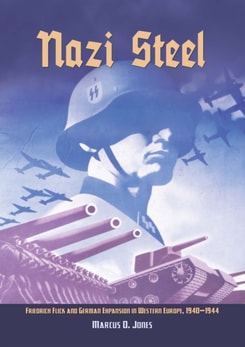
This study explores an exemplary instance of the close interaction between private and official interests in planning and executing the programs of the Nazi government, namely the acquisition in 1941 of the Rombach steel works by the German industrialist Friedrich Flick.
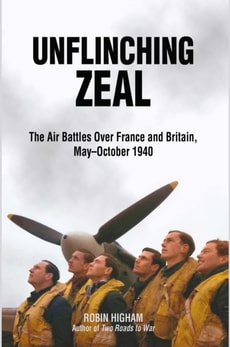
Noted aviation historian Robin Higham has written this comparative study of the evolution of the French and British air arms from 1918 to 1940 to determine why the Armee de l'Air was defeated in June 1940 but the Royal Air Force was able to win the battle over Britain in September.
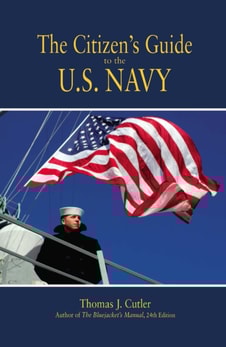
Today's Navy is a massive and complex organization, with hundreds of ships, thousands of aircraft, hundreds of thousands of people, and an annual budget in the billions of dollars that make the U.
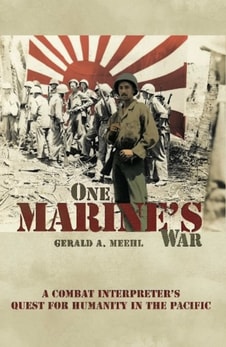
One Marines War recounts the experiences of Robert Sheeks, a Marine combat interpreter, and how he underwent a remarkable transformation as a consequence of his encounters with the Imperial Japanese Army, Nisei Japanese-American language instructors, Japanese and Pacific Island native civilians, and American Marines.