The United States in World War II tells the dramatic story of America's transformation from a cautious, divided nation into a decisive global superpower.
This work is a richly detailed study of the nature and development of the 139 Attic demes, the local units that made up the city-state of Athens during the classical and early Hellenistic periods.
This book of selections from the distinguished journal International Security speaks to the most important question of our age: the deterrence of nuclear war.
The traditional distinction between military and political affairs in American life has become less significant as military officers increasingly participate with civilians in the formulation of national policies.
This work stresses the importance, in making any choice of strategies-including the decision to use or refrain from using nuclear weapons-of gauging the intent behind the opponent's military moves.
The author explores a variety of questions related to General Sikorski's policies, such as his effort to maintain an independent Polish Arms' in the Soviet Union.
This historical analysis of the problems faced by the British navy during the War of 1739-1748 also sheds light on the character, limitations, and potentialities of eighteenth-century British administration.
History of kershaw's brigade reveals the evolution of a volunteer military unit shaped by fervent conviction and tested through sustained conflict, where endurance becomes the defining measure of identity.
An urgent call-to-action outlining how we can prevent a global conflict in the near-future from Tobias Ellwood, former Defence Minister and Chair of the House of Commons Defence Committee.
Since 1798, when Congress authorized John Adams to employ the navy to capture armed French vessels preying on American shipping on the Atlantic coast, U.
The myth of the eighteenth-century British "e;war machine"e; persists, perplexing those who search for the reasons why Britain lost the Revolutionary War.
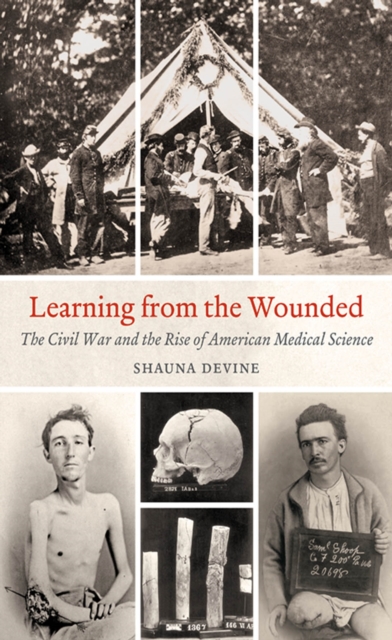
Nearly two-thirds of the Civil Wars approximately 750,000 fatalities were caused by disease a staggering fact for which the American medical profession was profoundly unprepared.
Since 1798, when Congress authorized John Adams to employ the navy to capture armed French vessels preying on American shipping on the Atlantic coast, U.
The American Civil War began with a laying down of arms by Union troops at Fort Sumter, and it ended with a series of surrenders, most famously at Appomattox Courthouse.
In this companion to his celebrated earlier book, Gettysburg The Second Day, Harry Pfanz provides the first definitive account of the fighting between the Army of the Potomac and Robert E.
If, as many have argued, the Civil War is the most crucial moment in our national life and Gettysburg its turning point, then the climax of the climax, the central moment of our history, must be Picketts Charge.
African Americans' long campaign for the right to fight forced Harry Truman to issue his 1948 executive order calling for equality of treatment and opportunity in the armed forces.
In the spring of 1861, Richmond, Virginia, suddenly became the capital city, military headquarters, and industrial engine of a new nation fighting for its existence.
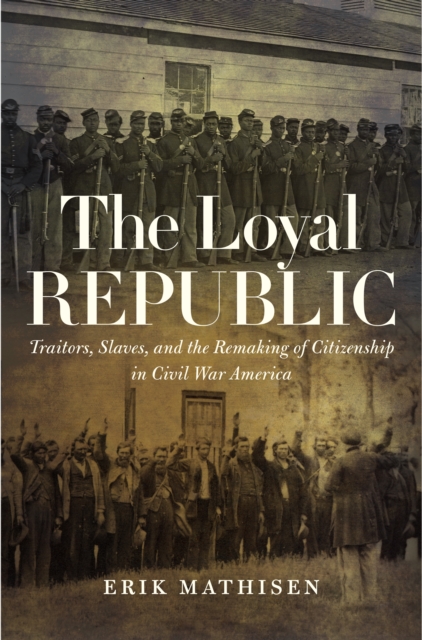
This is the story of how Americans attempted to define what it meant to be a citizen of the United States, at a moment of fracture in the republics history.
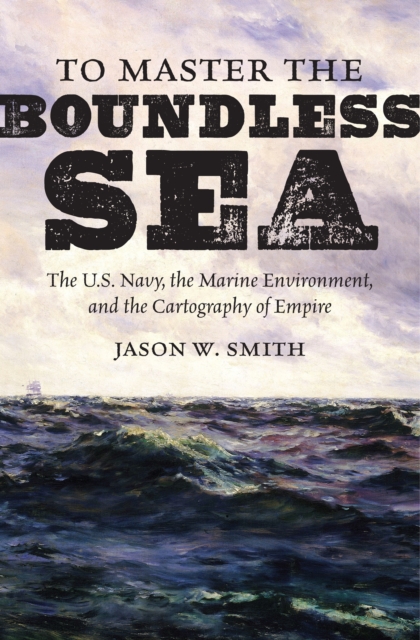
As the United States grew into an empire in the late nineteenth century, notions like sea power derived not only from fleets, bases, and decisive battles but also from a scientific effort to understand and master the ocean environment.
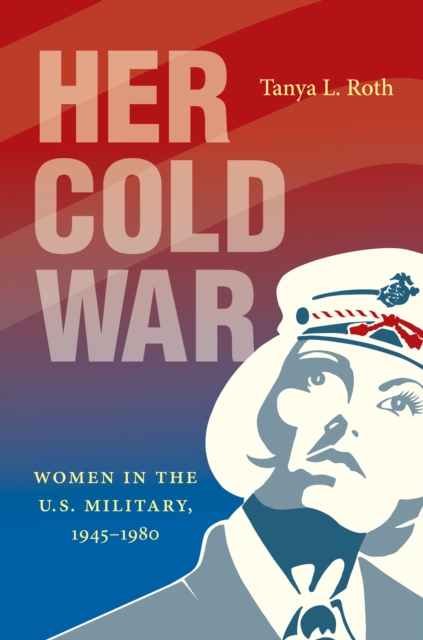
While Rosie the Riveter had fewer paid employment options after being told to cede her job to returning World War II veterans, her sisters and daughters found new work opportunities in national defense.
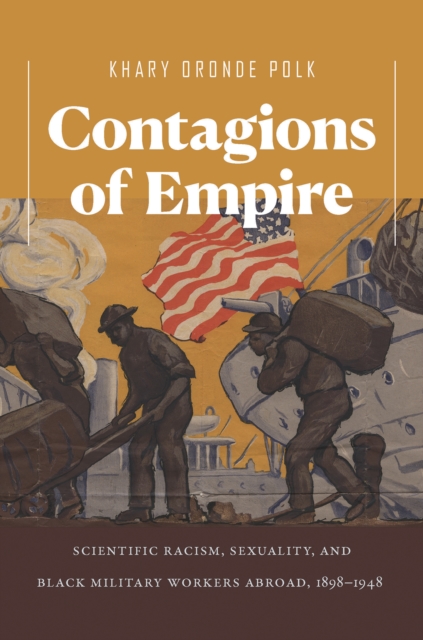
From 1898 onward, the expansion of American militarism and empire abroad increasingly relied on black labor, even as policy remained inflected both by scientific racism and by fears of contagion.
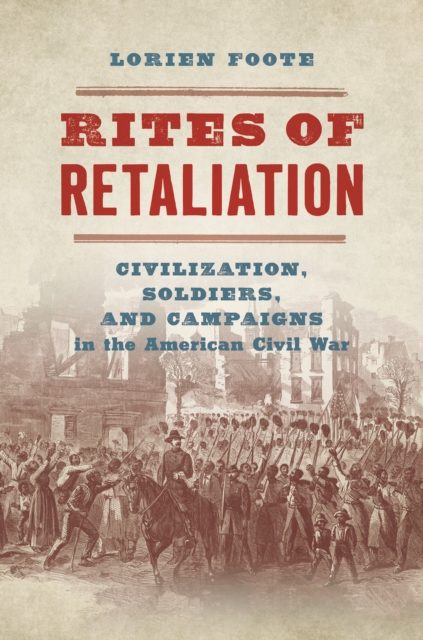
During the Civil War, Union and Confederate politicians, military commanders, everyday soldiers, and civilians claimed their approach to the conflict was civilized, in keeping with centuries of military tradition meant to restrain violence and preserve national honor.