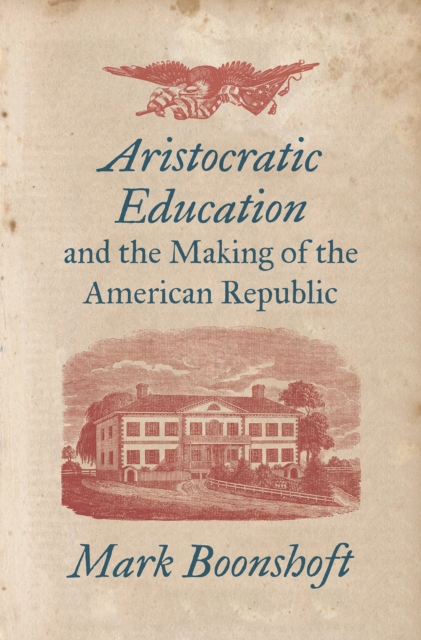
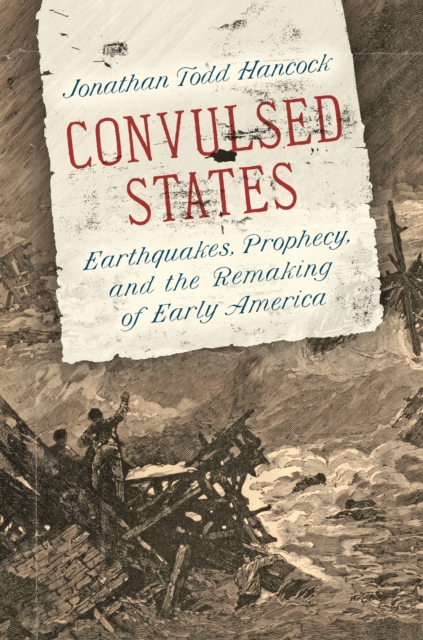
Following the creation of the United States, profound disagreements remained over how to secure the survival of the republic and unite its diverse population.
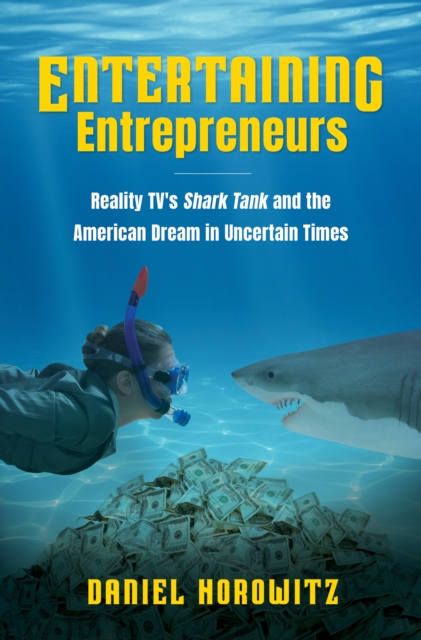
The Great Recession threatened the well-being of tens of millions of Americans, dramatically weakened the working class, hollowed out the middle class, and strengthened the position of the very wealthy.
In this critical biography, Susan Lee Johnson braids together lives over time and space, telling tales of two white women who, in the 1960s, wrote books about the fabled frontiersman Christopher Kit Carson: Quantrille McClung, a Denver librarian who compiled the Carson-Bent-Boggs Genealogy, and Kansas-born but Washington, D.
After a cascade of failures left residents of Flint, Michigan, without a reliable and affordable supply of safe drinking water, citizens spent years demanding action from their city and state officials.
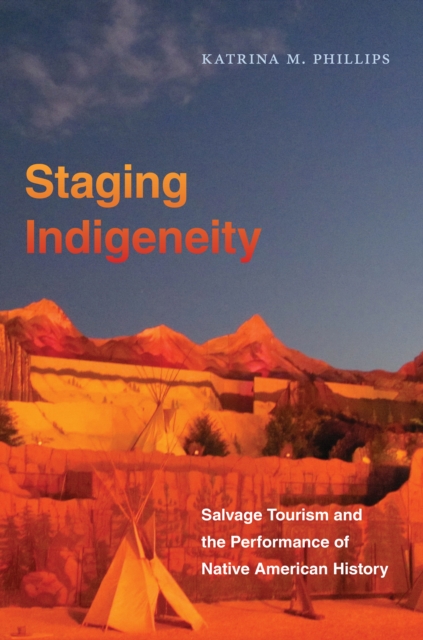
As tourists increasingly moved across the United States in the late nineteenth and early twentieth centuries, a surprising number of communities looked to capitalize on the histories of Native American people to create tourist attractions.
Americans responded to the deadly terrorist attacks on September 11, 2001, with an outpouring of patriotism, though all were not united in their expression.
Oil palms are ubiquitousgrown in nearly every tropical country, they supply the world with more edible fat than any other plant and play a role in scores of packaged products, from lipstick and soap to margarine and cookies.
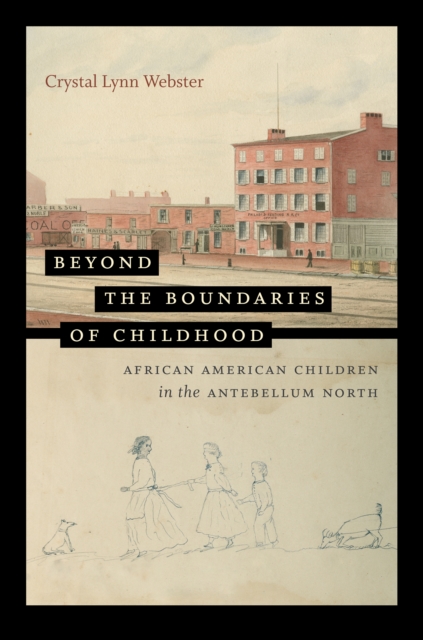
For all that is known about the depth and breadth of African American history, we still understand surprisingly little about the lives of African American children, particularly those affected by northern emancipation.
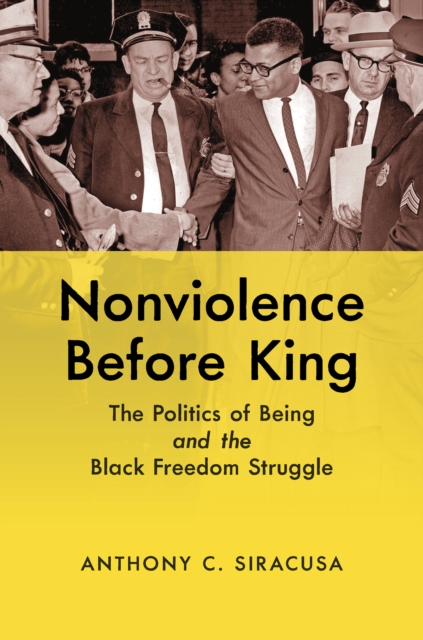
In the early 1960s, thousands of Black activists used nonviolent direct action to challenge segregation at lunch counters, movie theaters, skating rinks, public pools, and churches across the United States, battling for, and winning, social change.
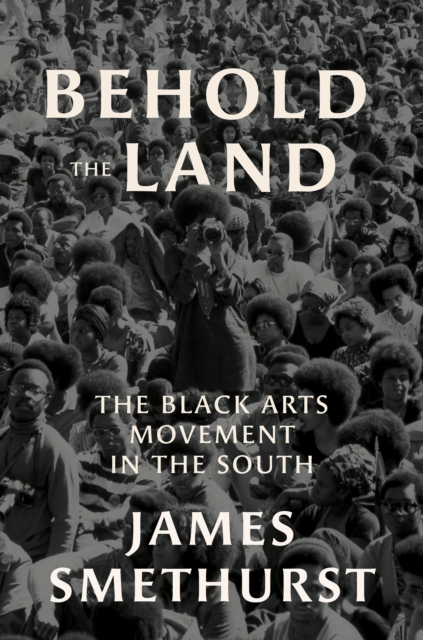
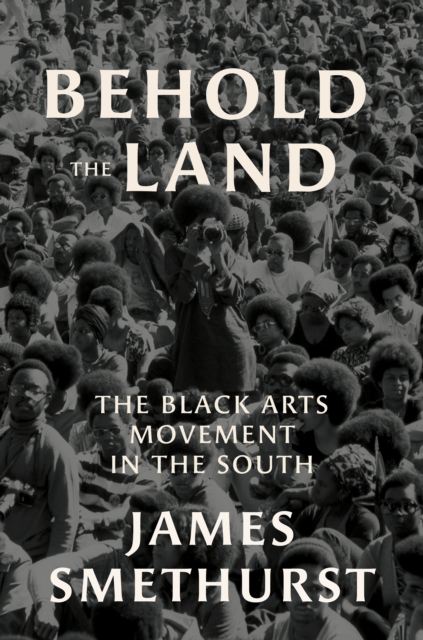
In the mid-1960s, African American artists and intellectuals formed the Black Arts movement in tandem with the Black Power movement, with creative luminaries like Amiri Baraka, Gwendolyn Brooks, Toni Cade Bambara, and Gil Scott-Heron among their number.
In the mid-1960s, African American artists and intellectuals formed the Black Arts movement in tandem with the Black Power movement, with creative luminaries like Amiri Baraka, Gwendolyn Brooks, Toni Cade Bambara, and Gil Scott-Heron among their number.
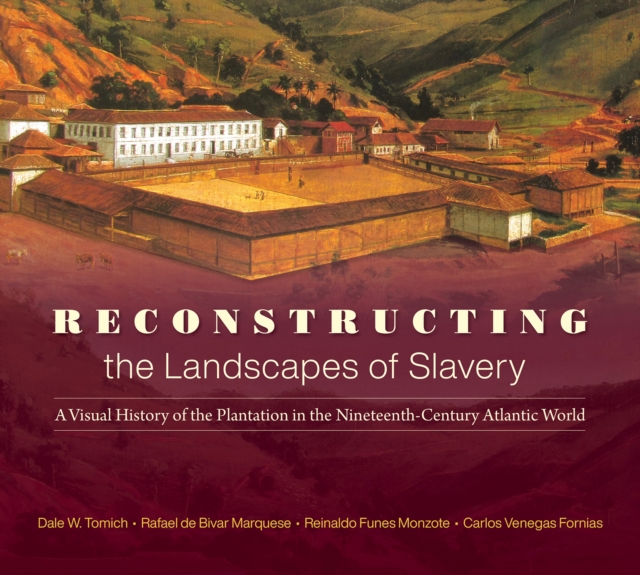
Assessing a unique collection of more than eighty images, this innovative study of visual culture reveals the productive organization of plantation landscapes in the nineteenth-century Atlantic world.
Dieses biographische Essay über den 1956 verstorbenen Arzt und Dichter Gottfried Benn basiert auf exakten Nachforschungen und ist angefüllt mit bezeichnenden und unterhaltenden privaten Details.
Dieses unterhaltsame Werk von Thilo Koch enthält kleinere und größere Arbeiten des Autors, die er über viele Jahre hinweg in seiner Tätigkeit als Journalist verfasst hat.
From the private papers of Winston Churchill to the tender notes of an unknown Tommy in the trenches, Love Letters of the Great War brings together some of the most romantic correspondence ever written.
Recent scholarship on the Amazon has challenged depictions of the region that emphasize its natural exuberance or represent its residents as historically isolated peoples stoically resisting challenges from powerful global forces.
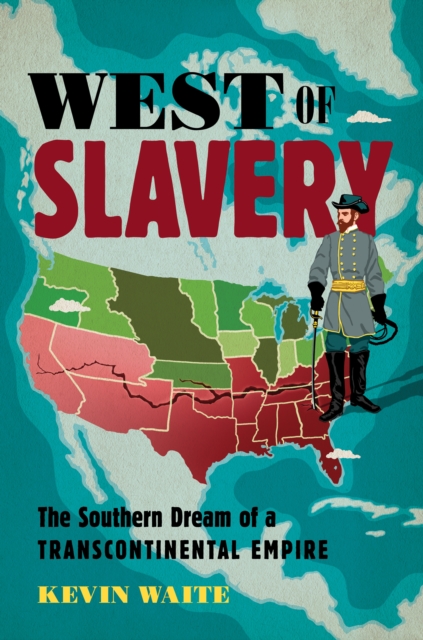
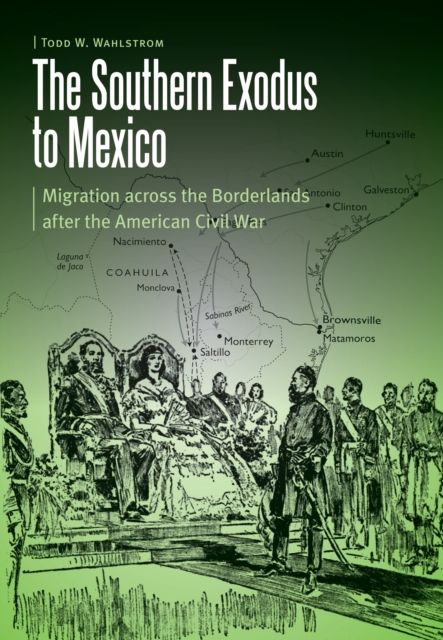
After the Civil War, a handful of former Confederate leaders joined forces with the Mexican emperor Maximilian von Hapsburg to colonize Mexico with former American slaveholders.
Studienarbeit aus dem Jahr 2021 im Fachbereich Geschichte Deutschlands - Nationalsozialismus, Zweiter Weltkrieg, Note: 1, Ostfalia Hochschule für angewandte Wissenschaften Fachhochschule Braunschweig/Wolfenbüttel , Sprache: Deutsch, Abstract: In dieser Hausarbeit möchte ich mich mit der Zeit des Nationalsozialismus beschäftigen, welche im Jahr 1933 begann als Adolf Hitler zum Reichskanzler ernannt wurde und 1945 mit der Kapitulation der Wehrmacht endete.
Die Witwe Anna Lorenzen lebt mit ihrer Tochter Lore allein in der Berliner Friedrichsgracht nahe der Spree, seit ihr Mann, Lorenz Lorenzen, womöglich angetrunken von seinem Kahn in die Spree gestürzt ist.