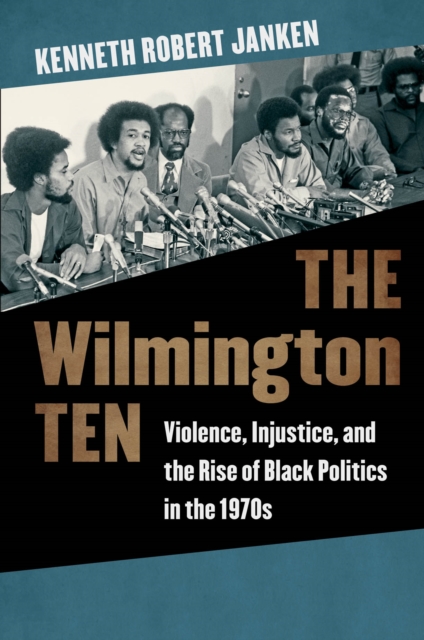
In February 1971, racial tension surrounding school desegregation in Wilmington, North Carolina, culminated in four days of violence and skirmishes between white vigilantes and black residents.
Pull up a chair or gather round the campfire and get ready for thirty-four creepy tales of ghostly hauntings, eerie happenings, and other strange occurrences in Maryland.
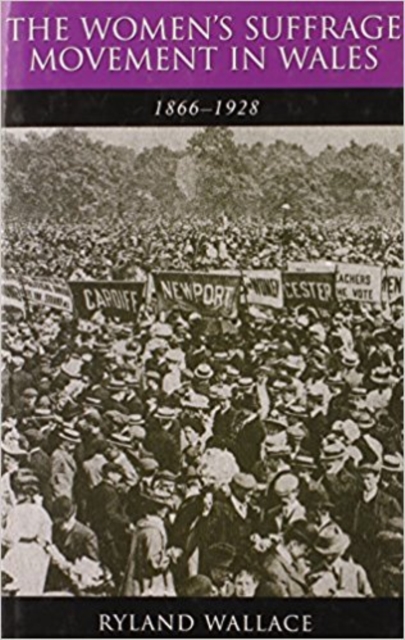
An organized women's suffrage movement operated continuously in Britain for more than sixty years, from the mid 1860s until the achievement of equal voting rights with men in 1928.
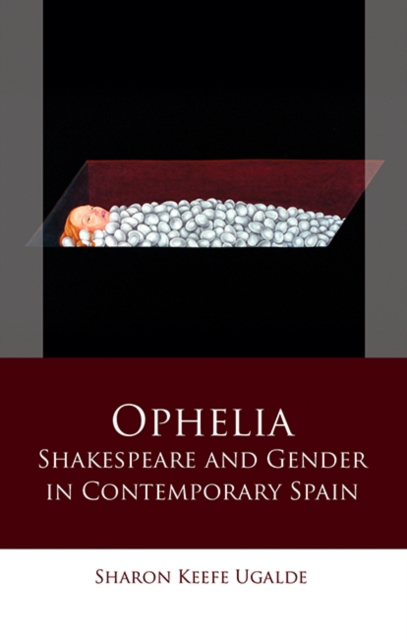
It is astonishing how deeply the figure of Ophelia has been woven into the fabric of Spanish literature and the visual arts - from her first appearance in eighteenth-century translations of Hamlet, through depictions by seminal authors such as Espronceda, Becquer and Lorca, to turn-of-the millennium figurations.
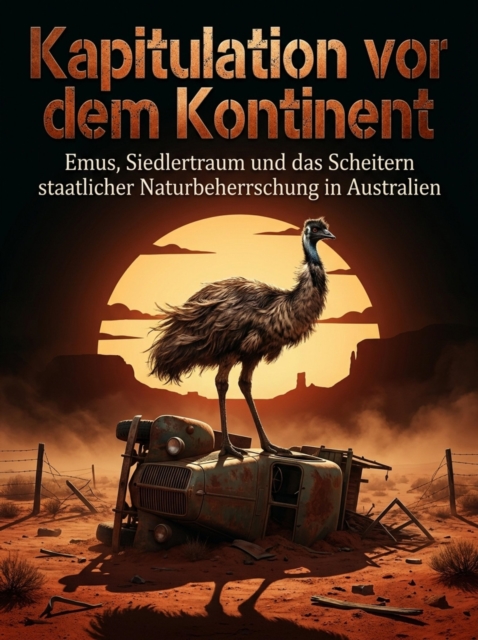
Im Jahr 1932 schickte der australische Staat bewaffnete Soldaten in die Wustenrander Westaustraliens - nicht gegen einen menschlichen Feind, sondern gegen Zehntausende wandernder Emus.
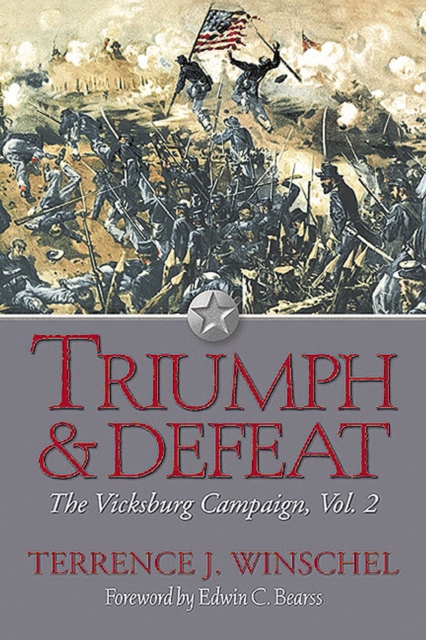
The study of the Civil War in the Western Theater is more popular now than ever before, and the center of that interest is the months-long Vicksburg Campaign, which is the subject of National Park Historian Terrence J.
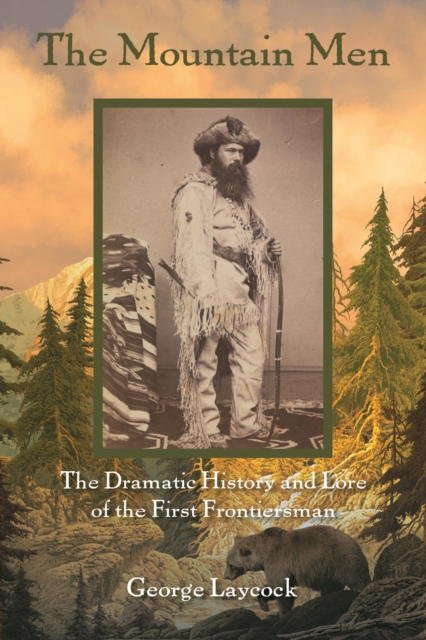
To know how the West was really won, start with the exploits of these unsung mountain men who, like the legendary Jeremiah Johnson, were real buckskin survivalists.
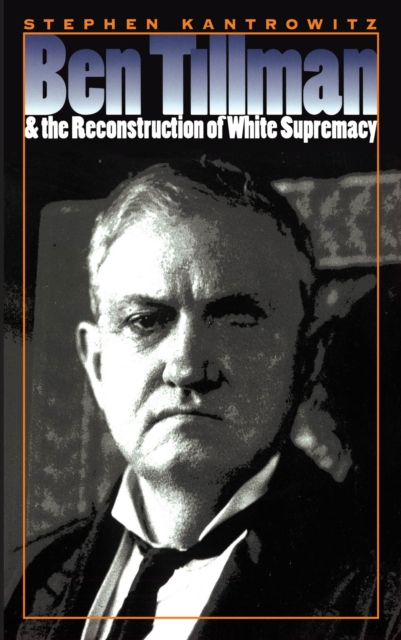
Through the life of Benjamin Ryan Tillman (18471918), South Carolinas self-styled agrarian rebel, this book traces the history of white male supremacy and its discontents from the era of plantation slavery to the age of Jim Crow.
To know how the West was really won, start with the exploits of these unsung mountain men who, like the legendary Jeremiah Johnson, were real buckskin survivalists.
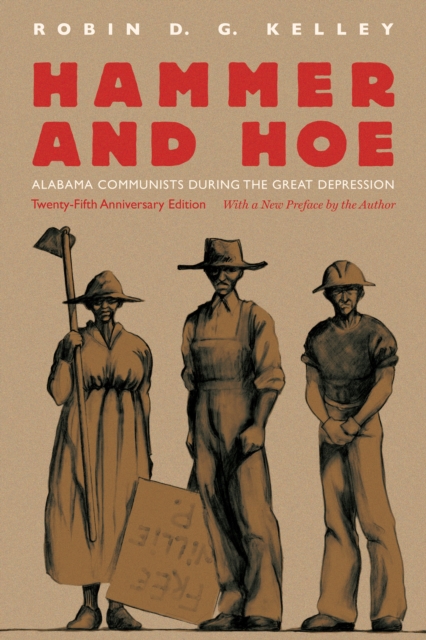
A groundbreaking contribution to the history of the long Civil Rights movement, Hammer and Hoe tells the story of how, during the 1930s and 40s, Communists took on Alabamas repressive, racist police state to fight for economic justice, civil and political rights, and racial equality.
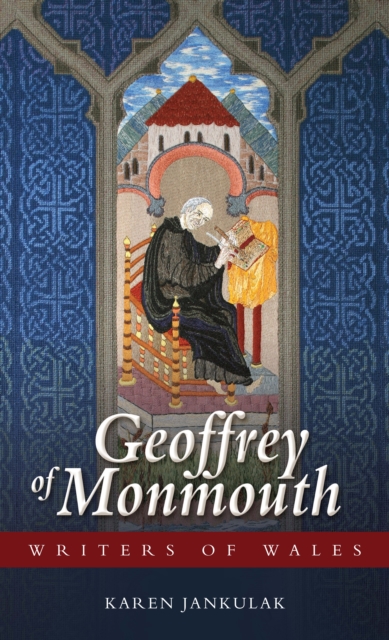
Geoffrey of Monmouth, a twelfth-century cleric, was the first person to compose a detailed and continuous history of Britain from its origins to the domination of the Anglo-Saxons.
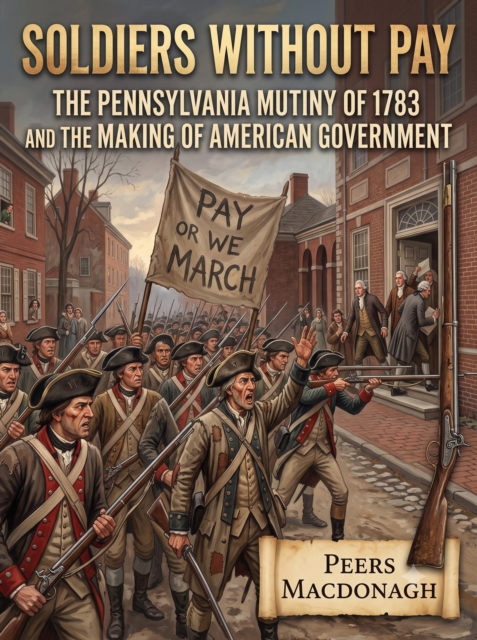
In June 1783, a band of unpaid Continental soldiers marched from Lancaster, Pennsylvania, to Philadelphia, surrounded Independence Hall, and held the Confederation Congress at bayonet point.
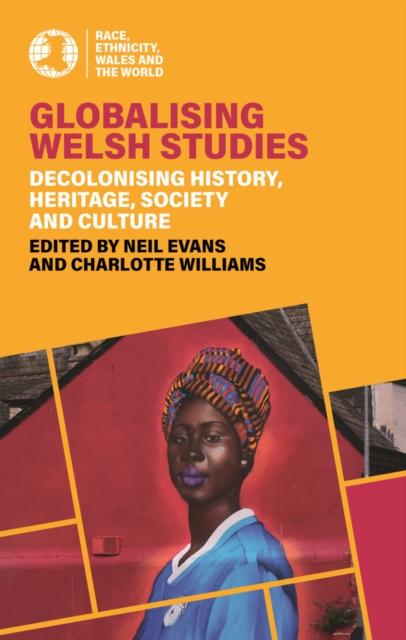
Interest in race and ethnicity research in Wales has grown apace in the last decade, opening up wider debates about the nature, focus and content of what collectively is called Welsh Studies.
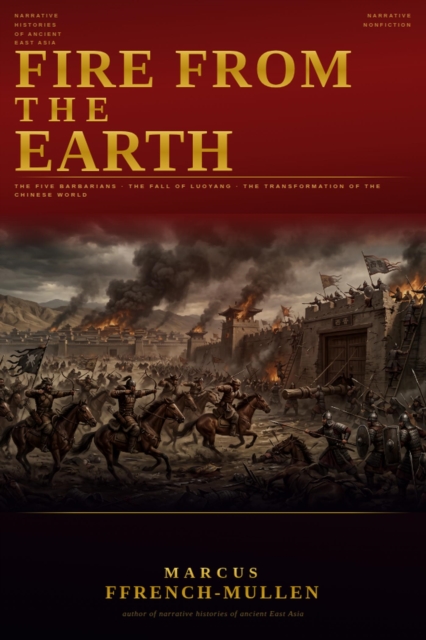
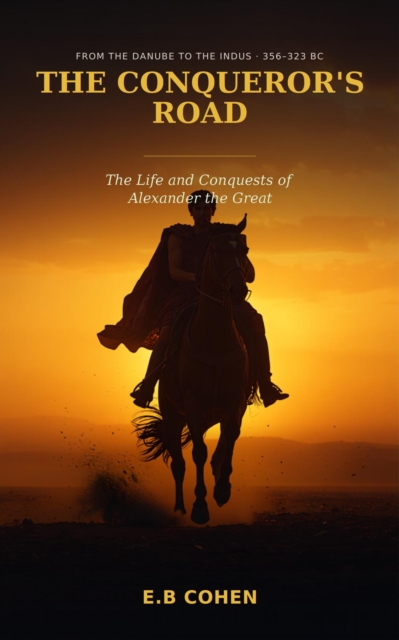
In the spring of 334 BC a young king led his army across the narrow straits dividing Europe from Asia, stopped to honor the ruins of Troy, and hurled a spear into the sand of the far shore — claiming a continent as spear-won land.
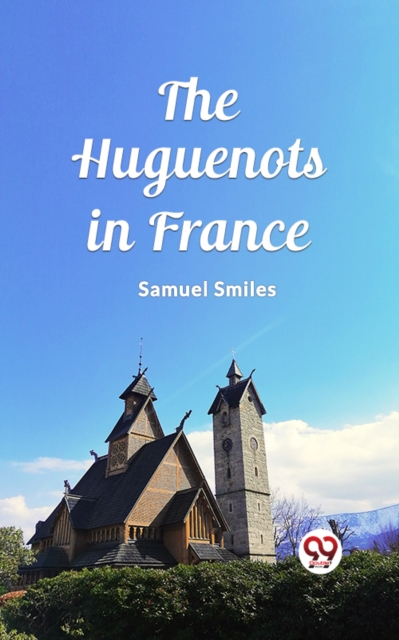
The Huguenots in France by Samuel Smiles is a historical masterpiece chronicling the plight of Protestant Huguenots amidst France's tumultuous religious landscape.
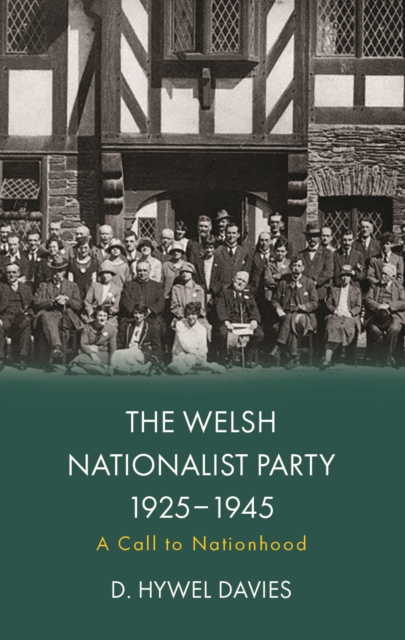
This work examines the nature of the Welsh Nationalist Party from its foundation in 1925 to 1945 - the philosophy and policies it embraced, the methods it used, and its organisational character.
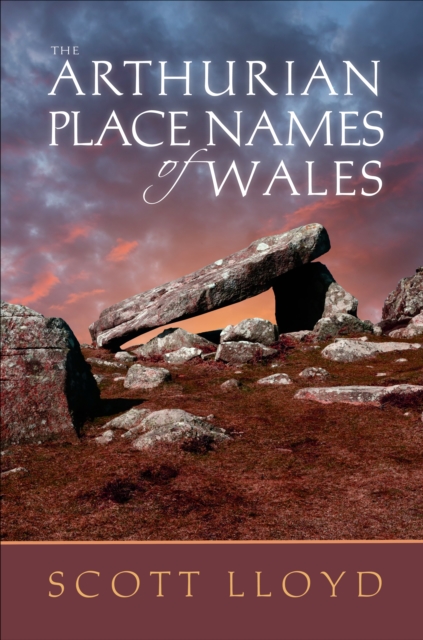
This new book examines all of the available source materials, dating from the ninth century to the present, that have associated Arthur with sites in Wales.
Through the life of Benjamin Ryan Tillman (18471918), South Carolinas self-styled agrarian rebel, this book traces the history of white male supremacy and its discontents from the era of plantation slavery to the age of Jim Crow.
This book tells the history of the United States, starting with European explorers rather than the Native Americans who had been inhabiting the region we now name North America for generations.
A groundbreaking contribution to the history of the long Civil Rights movement, Hammer and Hoe tells the story of how, during the 1930s and 40s, Communists took on Alabamas repressive, racist police state to fight for economic justice, civil and political rights, and racial equality.