This book offers a bird's-eye view of the current trends, opportunities, and challenges related to Asian youth travellers, and it also presents a holistic framework for future research to build upon.
This book examines how early research on literary activities outside national literatures such as emigre literature or diasporic literature conceived of the loss of 'mother-tongue"e; as a tragedy, and how it perpetuated the ideology of national language by relying on the dichotomy of native language/foreign language.
This book presents the experiences of Chinese Language researchers in Singapore to Chinese Language researchers and teachers in other countries and regions, such as the USA, the UK and Asia, that are home to a large number of learners, young and old.
Promoting cultural understanding in a globalized world, this text is a key tool for students interested in further developing their understanding of Chinese society and culture.
Promoting cultural understanding in a globalized world, this text is a key tool for students interested in understanding the fundamentals of Chinese culture.
This book is a systematic narrative, tracking the colonial language policies and acts responsible for the creation of a sense of "e;self-identity"e; and culminating in the evolution of nationalistic fervor in colonial India.
This book defines Chinese middle constructions as generic constructions, with their highest syntactically saturated argument always understood as an arbitrary one.
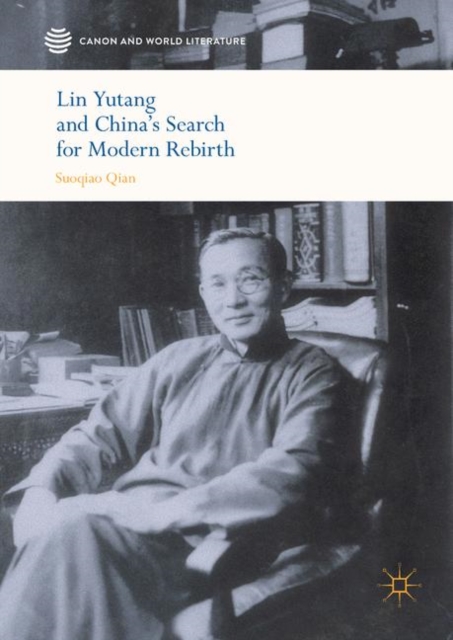
This book provides a comprehensive examination of the socio-cultural and political context of modern China in terms of its interaction with America and the West, focusing on the influence of the well-known Chinese writer and intellectual Lin Yutang (1895-1976).
This book brings together 13 original research papers that address emerging issues in the assessment of Chinese as a Second Language (CSL) in five major areas, including standards in CSL assessment; development of CSL tests; assessment of diverse knowledge and skills; computer-supported assessment; and CSL assessment in relation to instruction and teachers' assessment competence.
This text is a timely and wide-ranging study providing essential background to the development of global modernity through the European encounter with China.
This book challenges readers to recognise the conditions that underpin popular approaches to children and young people's participation, as well as the key processes and institutions that have enabled its rise as a global force of social change in new times.
This book brings together the perspectives of eminent and emerging scholars on contemporary issues relevant to the practice, pedagogy and institutionalization of the humanities in the three Chinese contexts of Hong Kong, Taiwan, and mainland China.
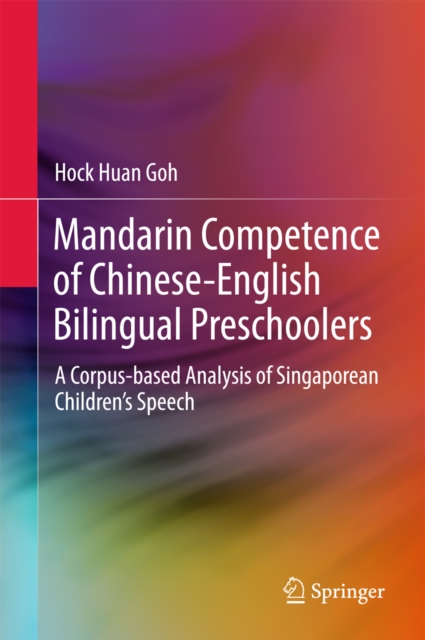
This book provides readers with a detailed sketch of the Mandarin competence of Chinese children in Singapore from different home language backgrounds.
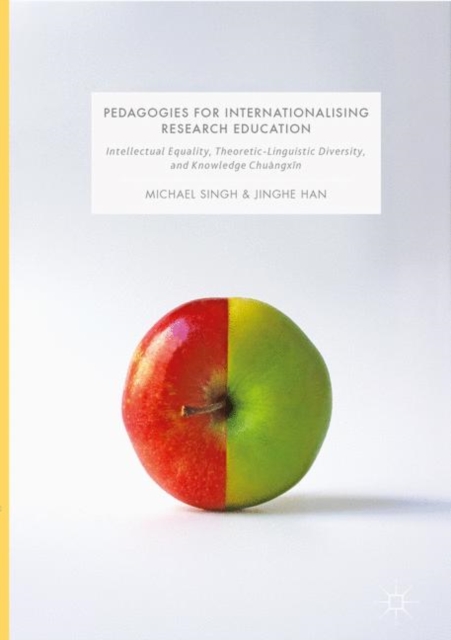
This book explores pedagogical concepts, metaphors and images of non-white, non-western researchers and research students on the inter/nationalization of education.
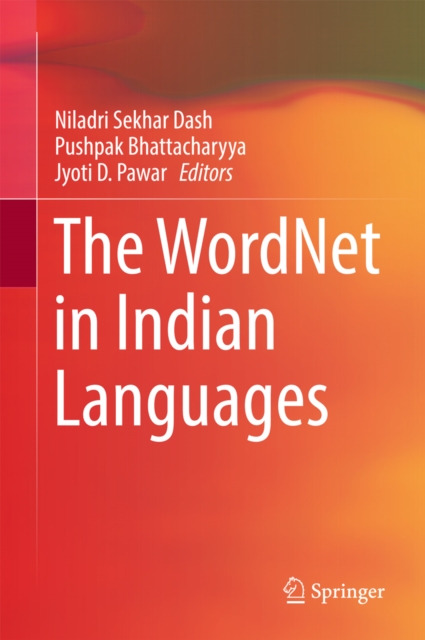
This contributed volume discusses in detail the process of construction of a WordNet of 18 Indian languages, called "e;Indradhanush"e; (rainbow) in Hindi.
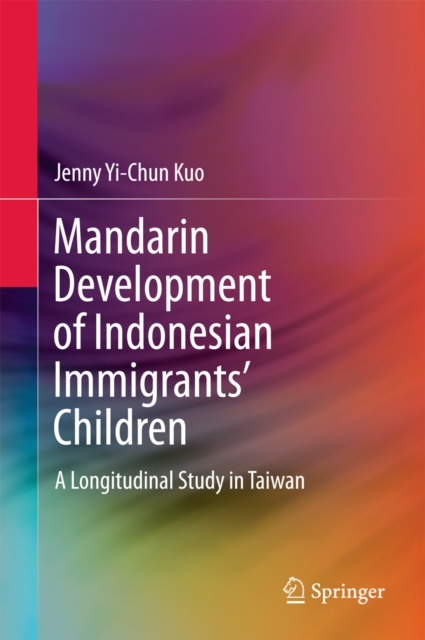
This book summarizes the results a three-year longitudinal project on Mandarin development among children of Indonesian mothers, the second largest non-Mandarin speaking immigrant group in Taiwan.
Lying at the intersection of translatology, cognitive science and linguistics, this brief provides a comprehensive framework for studying, investigating and teaching English-Russian/Russian-English non-literary translation.
Esta investigación realizada por la escritora Gilda Jiménez, parte de la experiencia personal, que adquirió y desarrolló en las enseñanzas de los cursos de oratoria, en diversos lugares, como planes vacacionales, didácticos.
Panorama de los centros y programas de escritura en Latinoamérica, editado por Violeta Molina Natera, es un libro particularmente importante que merece una amplia audiencia.
Esta obra se dirige a profesores de español y de otras áreas, a estudiantes de todos los niveles educativos, profesionales, escritores y personas preocupadas por el conocimiento de nuestra lengua para que disipen dudas de forma ágil, conozcan cambios registrados por las academias de la lengua y los apliquen cuando escriban.
Esta obra se dirige a profesores de español y de otras áreas, a estudiantes de todos los niveles educativos, profesionales, escritores y personas preocupadas por el conocimiento de nuestra lengua para que disipen dudas de forma ágil, conozcan cambios registrados por las academias de la lengua y los apliquen cuando escriban.
Esta serie, dirigida a estudiantes de secundaria, pregrado y posgrado, así como a profesores e investigadores en distintas áreas del conocimiento, contiene información específica acerca del uso de la correcta puntuación en español y de las normas APA, IEEE, Vancouver, Icontec, MLA y Chicago.
El trabajo de grado, o la tesina, es uno de los momentos más importantes para aquellos estudiantes que están terminando su ciclo de formación en pregrado, especialización o maestría.
En el tránsito del siglo XIX al siglo XX, un influyente grupo de intelectuales conservadores impulsó y combinó múltiples prácticas culturales tendientes a estudiar y promover una lengua "pura" y "uniforme", convencidos de su potencial para (re)construir la comunidad nacional a partir de valores cristianos y de la exaltación del patrimonio cultural hispánico.
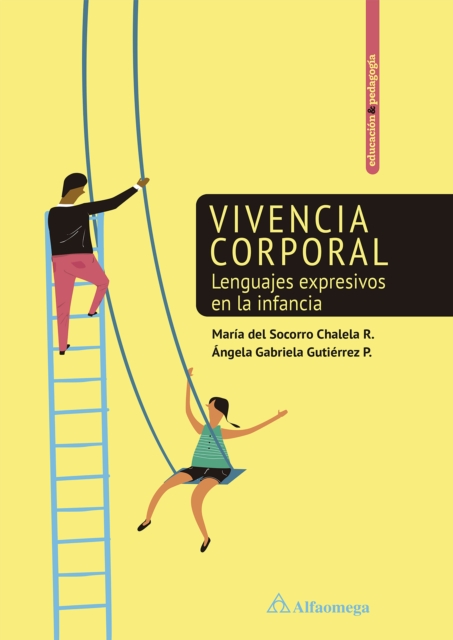
El texto La vivencia corporal y los lenguajes expresivos en la infancia, aporta una visión integradora de la psicomotricidad en la educación inicial, a partir de fundamentos pedagógicos y aspectos metodológicos, con pautas de orientación dirigidas a los docentes en formación y en ejercicio, padres de familia y a todas aquellas personas que desarrollan su trabajo con la infancia, para involucrarlos en la teoría y la práctica de la educación psicomotriz, incentivando en el niño y la niña las vivencias con miras a descubrir, conocer, estructurar su esquema corporal y potenciar sus lenguajes expresivos.
Los discursos educativos en Colombia encuentran hoy un gran desafío frente a un escenario de posconflicto y la propuesta multidisciplinar de un país en reconstrucción de sus valores que quiere construir una paz duradera.
Bien está que la Universidad del Valle asuma la reimpresión de "Quechuismos usados en Colombia" y del "Diccionario de Provincialismos y Barbarismos del Valle del Cauca", escritos por el doctor Leonardo Tascón y publicados por sus hijos, Tulio Enrique y Jorge Humberto Tascón, hace cinco lustros.
A nadie asombra que se intente propiciar experiencias de lectura y escritura significativas por su potencial de comunicación y pensamiento, pues lo importante es abrir canales de contacto entre las voces de otros y la propia.
La ortografía es uno de los aspectos lingüísticos que se ha constituido en un objeto de mayor atención, observación y crítica: unos más y otros menos descubren faltas en artículos periodísticos, en documentos administrativos o en trabajos publicitarios y se quejan públicamente, de una forma apasionada y con dureza.
El análisis de la variación léxica que manifiestan las lenguas ha sido objeto de interés constante por parte de profesionales provenientes de diversos ámbitos, como la lingüística, la educación, la estadística, la psicología, la dialectología y la sociolingüística.
Este libro representa uno delos resultados del proyecto de investigación titulado: "El subjuntivo: un estudio comparativo español – francés" ; realizado con el fin de suplir una necesidad en el medio académico: la de plantear un enfoque integrador que, de una parte, diera cuenta de los elementos de la gramática tradicional,funcional, estructural y contemporánea tanto de la lengua española como de la francesa; y que de otra, ofreciera una secuencia de contenidos en los niveles del Marco Común Europeo de Referencia para las Lenguas y el Plan Curricular del Instituto cervantes.