A long established and highly regarded account of all aspects of the English verb taking account of recent work on tense, phase and aspect, and of the author's own research.
Taming the Vernacular: From Dialect to Written Standard Language examines the differences between 'standard' and 'nonstandard' varieties of several different languages.
Taming the Vernacular: From Dialect to Written Standard Language examines the differences between 'standard' and 'nonstandard' varieties of several different languages.
Language typology is the study of the structural similarities between languages regardless of their history, to establish a classification or typology of languages.
Language typology is the study of the structural similarities between languages regardless of their history, to establish a classification or typology of languages.
This volume contains a collection of studies that survey recent research in developmental linguistics, illustrating the fruitful interaction between comparative syntax and language acquisition.
This volume contains a collection of studies that survey recent research in developmental linguistics, illustrating the fruitful interaction between comparative syntax and language acquisition.
The companion text to A Communicative Grammar of English (CGE), this workbook presents an opportunity for practising the points raised in the main grammar.
The companion text to A Communicative Grammar of English (CGE), this workbook presents an opportunity for practising the points raised in the main grammar.
The Earliest English provides a student-friendly introduction to Old English and the earliest periods of the history of the English Language as it evolved before 1215.
The Earliest English provides a student-friendly introduction to Old English and the earliest periods of the history of the English Language as it evolved before 1215.
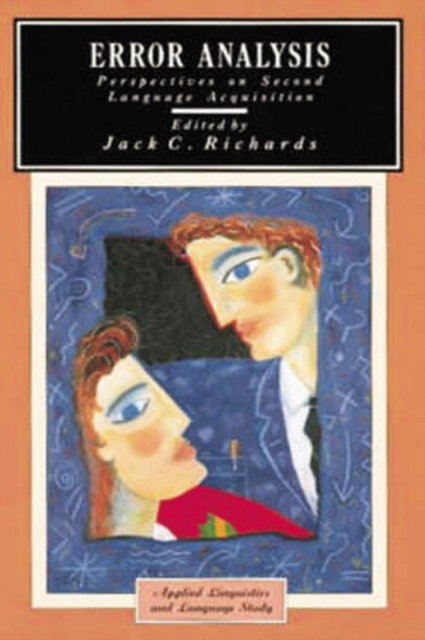
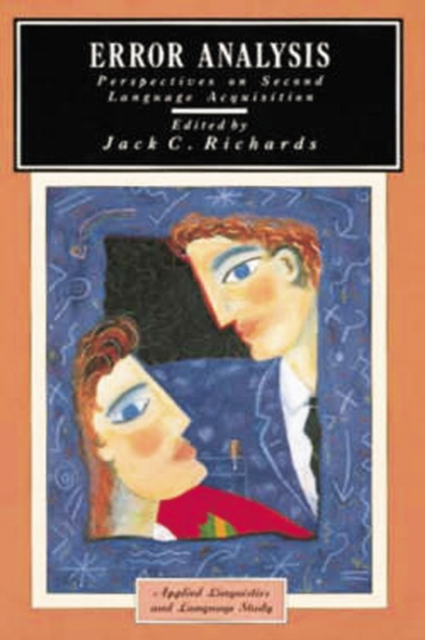
The eleven essays in this book cover a wide range of topics from the role of 'interlanguage' and the influence of external factors on the process of language learning, to the development of syntax and the methodology of error analysis.
The eleven essays in this book cover a wide range of topics from the role of 'interlanguage' and the influence of external factors on the process of language learning, to the development of syntax and the methodology of error analysis.
The thrust of the book is not so much upon the formation of grammatical constructs but rather upon the shape of the grammatical system and its relation to semantics, discourse and pragmatics.
The thrust of the book is not so much upon the formation of grammatical constructs but rather upon the shape of the grammatical system and its relation to semantics, discourse and pragmatics.
Shakespeare's English: A Practical Linguistic Guide provides students with a solid grounding for understanding the language of Shakespeare and its place within the development of English.
Shakespeare's English: A Practical Linguistic Guide provides students with a solid grounding for understanding the language of Shakespeare and its place within the development of English.
Beowulf & Other Stories was first conceived in the belief that the study of Old English - and its close cousins, Old Icelandic and Anglo-Norman - can be a genuine delight, covering a period as replete with wonder, creativity and magic as any other in literature.
Beowulf & Other Stories was first conceived in the belief that the study of Old English - and its close cousins, Old Icelandic and Anglo-Norman - can be a genuine delight, covering a period as replete with wonder, creativity and magic as any other in literature.
The French language is more than just a tool for communication; it has a crucial role to play in how native speakers of French think about the world and about themselves and their culture.
The French language is more than just a tool for communication; it has a crucial role to play in how native speakers of French think about the world and about themselves and their culture.
This language study's primary purpose is to use aphasic performance to understand language, rather than to use linguistic analysis to understand aphasia.
This language study's primary purpose is to use aphasic performance to understand language, rather than to use linguistic analysis to understand aphasia.
Ever since the notion of explanatory adequacy was promoted by Chomsky in his 1965 Aspects, linguists and psycholinguists have been in pursuit of a psychologically valid theory of grammar.