The study of how words are represented and processed in the mind has served as a meeting ground for research in psychology, linguistics, and neuroscience.
The dynamics and systematicity of terminology: this book addresses these essential and intriguing aspects of terminology, by using quantitative methodologies which have been underutilized in the field to date.
Terminology has started to explore unbeaten paths since Wuster, and has nowadays grown into a multi-facetted science, which seems to have reached adulthood, thanks to integrating multiple contributions not only from different linguistic schools, including computer, corpus, variational, socio-cognitive and socio-communicative linguistics, and frame-based semantics, but also from engineering and formal language developers.
The urge to understand all aspects of human experience more and better seems to be one of the motives underlying cognitive development in many domains of human existence.
The aim of the present volume is to provide a present-day take on variation in terminology by looking forward and examining what leading scholars in the field are working on and where they are taking research in the field today.
Published in 2005, Michael Hoey's Lexical Priming - A new theory of words and language introduced a completely new theory of language based on how words are used in the real world.
This book addresses term variation which has been a very important topic in terminology, computational terminology and natural language processing for up to twenty years.
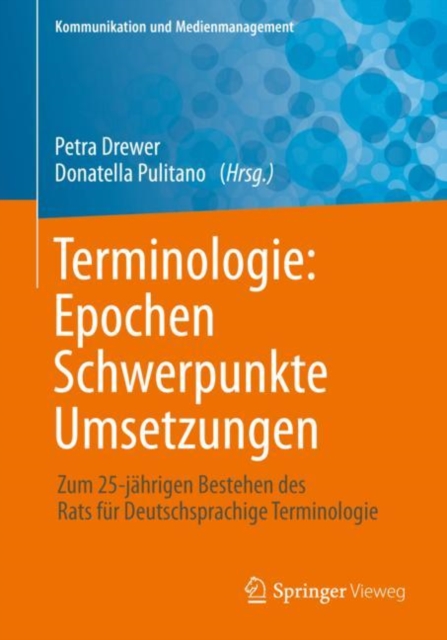
The aim of this volume is to provide an overview of different theoretical perspectives on Terminology, from Wuster to other initiatives that have emerged since the beginning of the 1990s.
The Corporate Terminologist is the first monograph that addresses the principles and methods for managing terminology in content production environments that are both demanding and multilingual, such as those found in global companies and institutions.
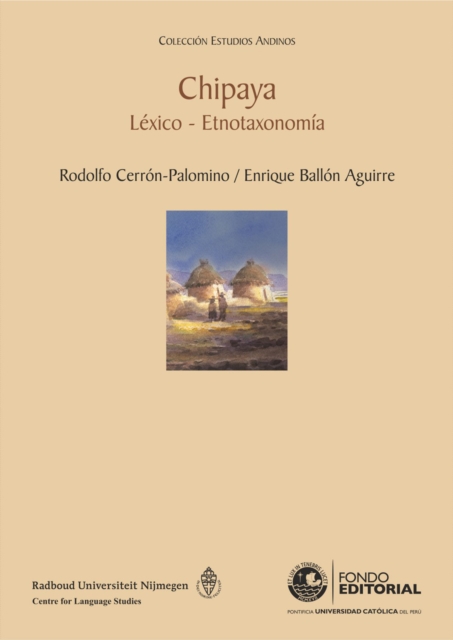
Este libro recoge por vez primera el léxico chipaya en forma sistemática, lengua vigente aún en Santa Ana de Chipaya (Bolivia), aunque históricamente localizada a lo largo del eje acuático Titicaca-Poopó.
La relación ancestral que existe entre las plantas y la especie humana ha permitido que el vocabulario que designa a los miembros del reino vegetal sea uno de los más extensos, variables y creativos en la lengua española panhispánica.
Las novedades en el léxico español han despertado siempre el interés de los hablantes, y las obras y los autores que las han dado a conocer se han servido de su enumeración y explicación como mecanismos para su difusión o divulgación.
Este libro es una detallada aproximación a la historia del Diccionario de la Real Academia Española con atención al tratamiento del neologismo, sus fundamentos y evolución a lo largo del siglo XIX.
Im vorliegenden Buch geht es um die Etymologie von "großen Na- men" aus aller Welt, die uns aus Mythologie, Geschichte und dem aktuellen Geschehen mehr oder weniger vertraut sind und deren Verständnis unser Wissen in kultureller Hinsicht bereichern kann.
Die Arbeit untersucht unter anderem sowohl die semantischen Interpretationen von machen als auch seine pragmatischen Funktionen in der Interaktion, diskutiert die Behandlung von machen in der Lexikographie und liefert dazu einen Vergleich mit der Bedeutung und Funktion des Verbs tun in der gesprochenen Sprache.
Alle, die sich mit fachsprachlichen Texten beschäftigen, beschäftigen sich automatisch auch mit Terminologie: Beim Lesen von Fachtexten nehmen sie die darin enthaltene Terminologie auf, beim Verfassen von Fachtexten verwenden oder produzieren sie Terminologie, beim Fachübersetzen übertragen sie Terminologie in andere Sprachen.