L’Abrégé de Phonétique Historique est une introduction à l’évolution de la phonétique du français depuis le latin, à travers l'ancien français, le moyen français, le français classique et jusqu'au français moderne.
L’Abrégé de Phonétique Historique est une introduction à l’évolution de la phonétique du français depuis le latin, à travers l'ancien français, le moyen français, le français classique et jusqu'au français moderne.
First published in 1939, English Speech from an Historical Point of View presents the history of the English language under three major components: Old English, Middle English and Modern English.
First published in 1939, English Speech from an Historical Point of View presents the history of the English language under three major components: Old English, Middle English and Modern English.
As the first volume of a two-volume set on the history of Chinese phonology, this book introduces the basics of the discipline and charts the history of phonology from the pre-Qin period to the Song dynasty.
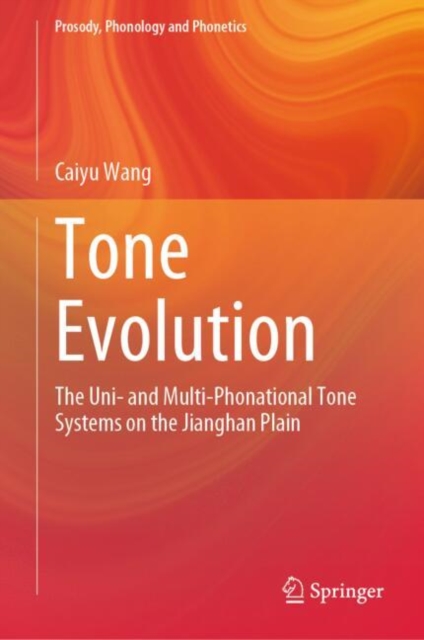
This book provides a start of defining the uni- and multi-phonational tone systems of geographically-connected dialects under a phonation-pitch tonal model.
This book provides a start of defining the uni- and multi-phonational tone systems of geographically-connected dialects under a phonation-pitch tonal model.
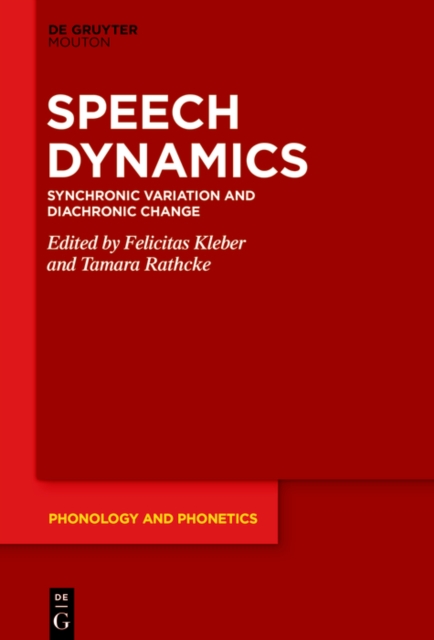
The relationship between diachronic change and synchronic variation at the articulatory, auditory, acoustic and social level is one of the greatest puzzles in the study of language.
As the second volume of a two-volume set on the history of Chinese phonology, this book studies the history of phonology from the Yuan dynasty until modern times and discusses the four approaches of sound change.
As the second volume of a two-volume set on the history of Chinese phonology, this book studies the history of phonology from the Yuan dynasty until modern times and discusses the four approaches of sound change.
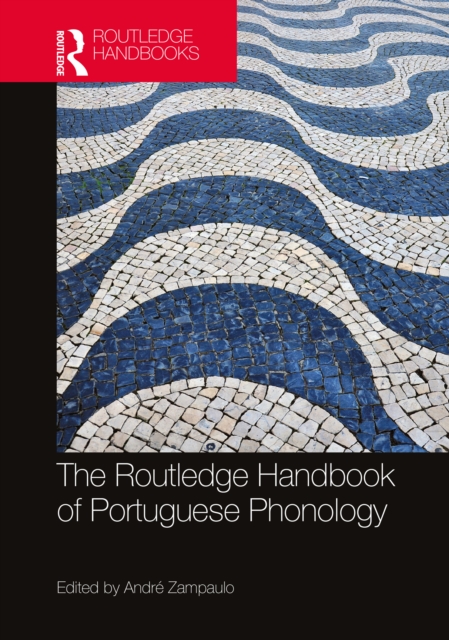
The Routledge Handbook of Portuguese Phonology provides an up-to-date description of the Portuguese phonological system, including a thorough account of the fundamental concepts, data, and previous explanations, as well as the status quaestionis, directions for future research, and further reading.
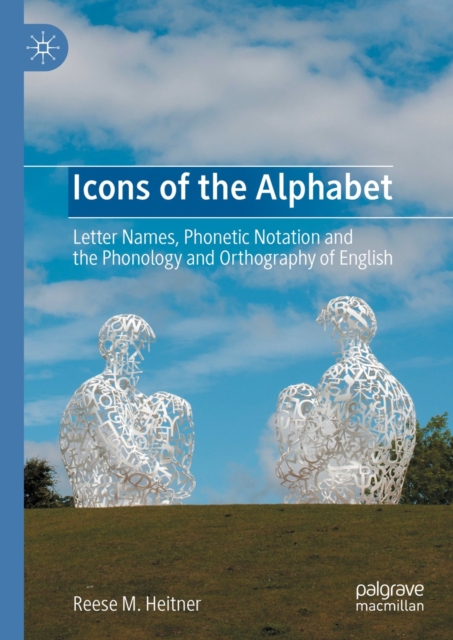
This book examines the names by which we refer to the letters of the English alphabet, arguing that these letter names provide unrivalled insights into the phonological structure of English, present and past, as well as the many peculiarities of English pronunciation and spelling.