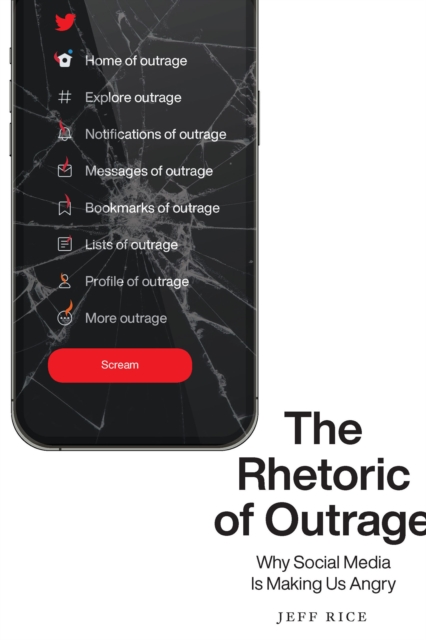
An accessible and important look at what is truly behind our digital outrageOn any given day, at any given hour, across the various platforms constituting what we call social media, someone is angry.
This innovative volume provides a new analytic framework for understanding how meaning-making resources are deployed in images designed for knowledge building in school science.
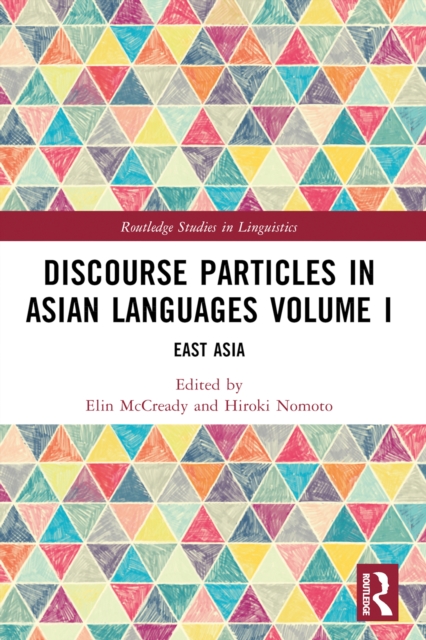
This volume is the second in a two-part collection of research on discourse particles focusing exclusively on the languages of Asia from the perspective of formal as well as non-formal semantics and pragmatics.
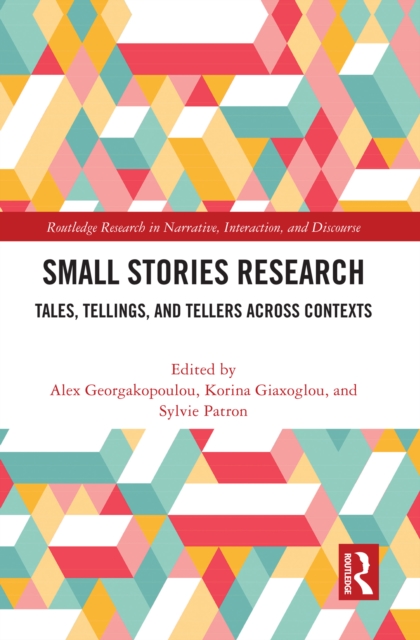
This collection showcases the diversity and disciplinary breadth of small stories research, highlighting the growing critical mass of scholarship on small stories and its reach beyond discourse and sociolinguistic perspectives.
Este libro se propone interesar al alumno, al docente y al investigador sobre aquellos textos clásicos de la poética, la historia, la tragedia y la comedia a fin de esclarecer la pertenencia de las palabras y el uso del lenguaje político abordado en la antigüedad griega.
This book explores the detrimental effects on global peace of populism's tendency to present complex social issues in simplistic "e;good versus evil"e; terms.
This innovative volume provides a new analytic framework for understanding how meaning-making resources are deployed in images designed for knowledge building in school science.
The present volume offers a fresh perspective on political top-down crisis communication across several countries during the first two years of the COVID-19 pandemic.
The present volume offers a fresh perspective on political top-down crisis communication across several countries during the first two years of the COVID-19 pandemic.
Syntactic Argumentation and the Structure of English (SASE) presents the major theoretical developments in generative syntax and the empirical arguments motivating them.
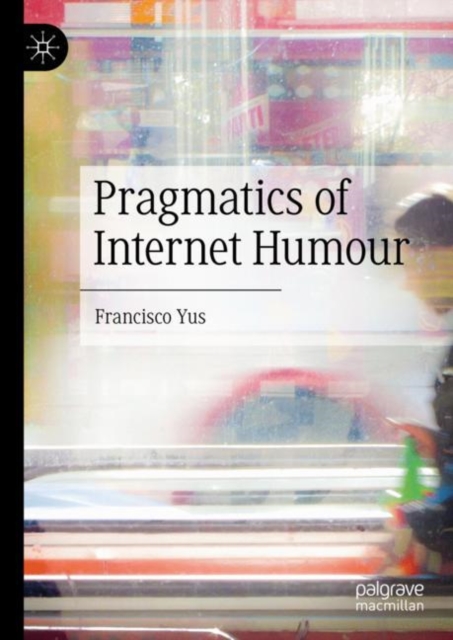
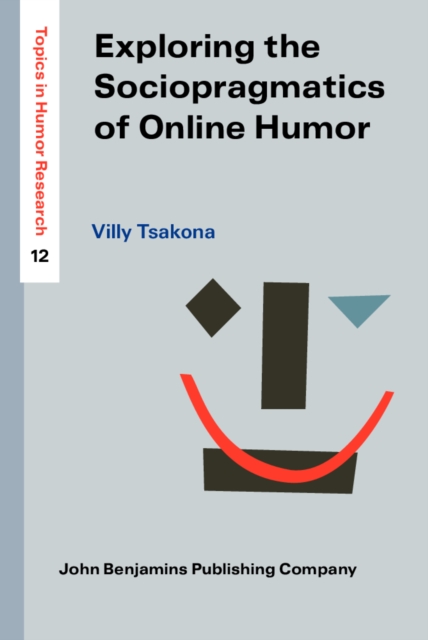
This book provides a first thorough analysis of internet humour from a cognitive-pragmatic perspective, covering a wide range of discourses that are pervasive online and focusing especially on messaging interactions, social networking sites and memes.
This book provides a first thorough analysis of internet humour from a cognitive-pragmatic perspective, covering a wide range of discourses that are pervasive online and focusing especially on messaging interactions, social networking sites and memes.
This collection showcases the diversity and disciplinary breadth of small stories research, highlighting the growing critical mass of scholarship on small stories and its reach beyond discourse and sociolinguistic perspectives.
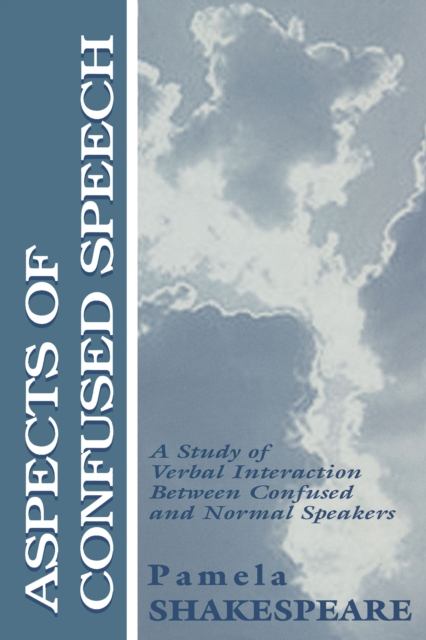
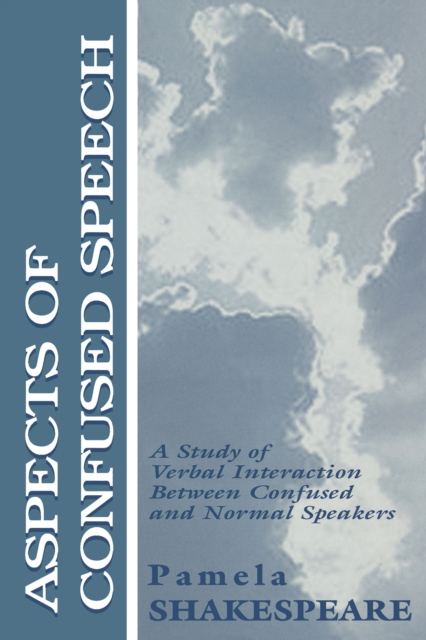
Based on research focusing on the experience of having confused speech and being with confused speakers, this book begins with everyday, commonly understood ideas such as "e;talking too much"e; and examines how confused speech is "e;brought off"e; as a collaborative activity by the people involved.
Based on research focusing on the experience of having confused speech and being with confused speakers, this book begins with everyday, commonly understood ideas such as "e;talking too much"e; and examines how confused speech is "e;brought off"e; as a collaborative activity by the people involved.
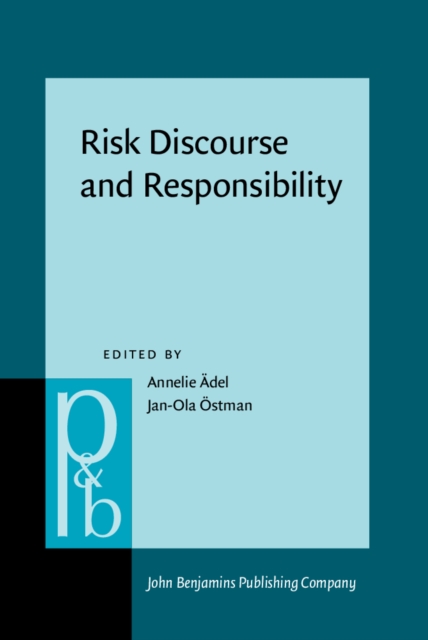
The widespread view that risk is highly relevant in late modern societies has also meant that the very study of risk has become central in many areas of social studies.
The widespread view that risk is highly relevant in late modern societies has also meant that the very study of risk has become central in many areas of social studies.
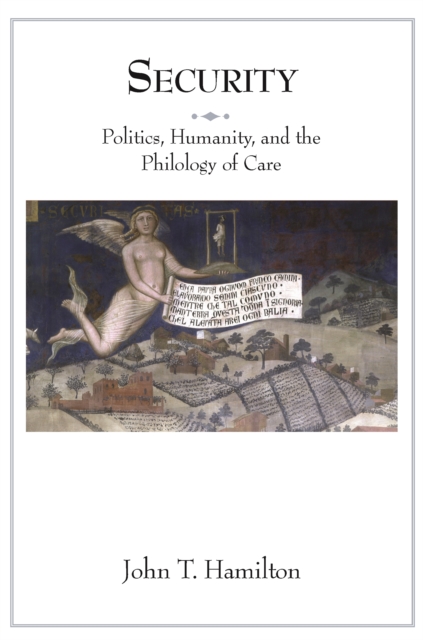
From national security and social security to homeland and cyber-security, "e;security"e; has become one of the most overused words in culture and politics today.
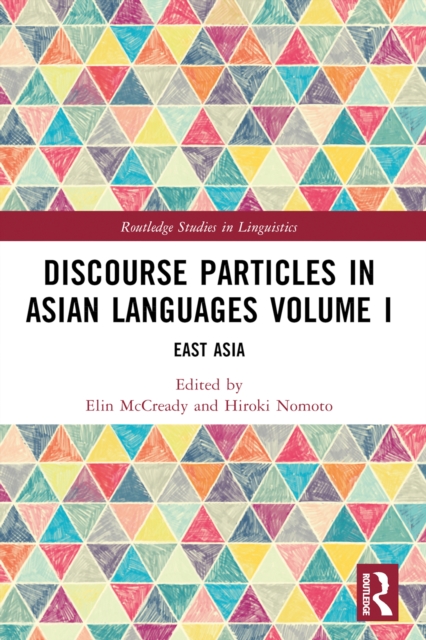
This is the first of two volumes of research on discourse particles focusing exclusively on the languages of Asia from the perspective of formal as well as non-formal semantics and pragmatics.
This is the first of two volumes of research on discourse particles focusing exclusively on the languages of Asia from the perspective of formal as well as non-formal semantics and pragmatics.
This book explores poetry by Sherko Bekas, a Kurdish writer and Swedish Tucholsky award winner, providing contextualising biography (with original new information from an interview with his son) and critical stylistic analyses of two selected poems.
This book explores poetry by Sherko Bekas, a Kurdish writer and Swedish Tucholsky award winner, providing contextualising biography (with original new information from an interview with his son) and critical stylistic analyses of two selected poems.
Geared toward English and social studies teachers as well as school librarians, this book provides a clear and concise way to approach the teaching of persuasive writing-and to develop the skills students need to excel on high stakes tests as well.
Offering a cognitive approach to semantics, this highly accessible textbook place cognitive linguistics at the centre of lexical semantics while covering the field in a broader sense.
This book integrates perspectives from conversation analysis (CA) and discursive psychology to shed light on doctor-patient communication in asynchronous web-based interactions through the lens of the discourse of comfort.
This book addresses the topics of autobiography, self-representation and status as a writer in Mahatma Gandhi's autobiographical work The Story of My Experiments with Truth (1927, 1929).
This book provides curriculum planners, materials developers, and language educators with curricular perspectives and classroom activities in order to address the needs of learners of English as a global lingua franca in an increasingly globalized and interdependent world.
This book introduces a new way of looking at how poems mean, drawing on the framework first developed in the author's book Critical Stylistics, but applied here to aesthetic more than ideological meaning.
This new edition of Introduction to Discourse Studies (IDS) is a thoroughly revised and updated version of this successful textbook, which has been published in four languages and has become a must-read for anyone interested in the analysis of texts and discourses.
This book applies phenomenological methodology to examine the transformations of messages as they pass from the mind to the linear world of human speech, and then back again.
This core textbook provides an engaging and accessible introduction to the field of pragmatics: the study of the relationship between linguistic meaning and context.
The Routledge Handbook of Language in the Workplace provides a comprehensive survey of linguistic research on language in the workplace written by top scholars in the field from around the world.
Maurice Merleau-Ponty and Ludwig Wittgenstein are two of the most important philosophers of the twentieth century, yet their work is generally regarded as standing in contrast to one another.
This volume serves as an in-depth investigation of the diversity of means and practices that constitute (dis)identification and identity construction in social media.
Pragmatics has grown considerably in its relatively short history, from its original disciplinary influences in philosophy and linguistics, into a multidisciplinary field that encompasses a range of theoretical and empirical concerns.
This book offers a unique window to the study of im/politeness by looking at a translation perspective, which offers a different set of data and allows further understanding of the phenomenon.