Dieser neue Klausurenkurs behandelt das europäische und internationale Wirtschaftsrecht, das nicht nur in der Praxis, sondern auch in der universitären Ausbildung in den Schwerpunktbereichen zunehmend an Bedeutung gewinnt.
Das Buch ist eine umfassende Darstellung der Geschichte sowohl der deutschen Strom- und Energiewirtschaft als auch der dazugehörigen Gesetzgebung, von den Anfängen in der Weimarer Zeit über das Entstehen der Stromkonzerne nach dem Zweiten Weltkrieg und die EU-Strommarktliberalisierung von 1998 bis zur Energiewende, samt Emissionshandel und Klimaschutzvertrag, und schließlich auch bis zum Kohleausstieg und zum Klimapaket.
Das Buch ist eine umfassende Darstellung der Geschichte sowohl der deutschen Strom- und Energiewirtschaft als auch der dazugehörigen Gesetzgebung, von den Anfängen in der Weimarer Zeit über das Entstehen der Stromkonzerne nach dem Zweiten Weltkrieg und die EU-Strommarktliberalisierung von 1998 bis zur Energiewende, samt Emissionshandel und Klimaschutzvertrag, und schließlich auch bis zum Kohleausstieg und zum Klimapaket.
China befindet sich seit Beginn der Reform und Öffnung Anfang der 1980er Jahre auf dem Entwicklungsweg von einem sozialistischen zu einem marktorientierten Wirtschaftssystem.
China befindet sich seit Beginn der Reform und Öffnung Anfang der 1980er Jahre auf dem Entwicklungsweg von einem sozialistischen zu einem marktorientierten Wirtschaftssystem.
La gouvernance coopérative est le cadre de la gestion durable et responsable des sociétés coopératives, ainsi que de la surveillance de leurs activités.
This book analyzes the legal and economic situation concerning the removal and allocation of natural resources in the Caspian Sea - the largest enclosed body of salt water in the world, which not only constitutes a fragile ecosystem with tremendous fishery resources, but is also rich in oil and gas deposits.
Die Europäische Wirtschafts- und Währungsunion (EWWU) hat sich seit ihrer schrittweisen Gründung in den 1990er Jahren zu einem Kernbestandteil der Europäischen Union (EU) entwickelt.
This book provides a comprehensive analysis of the remedies practice the European Commission has adopted on the basis of articles 7 and 9 of regulation 1/03.
This book addresses the question of how competition authorities assess mergers in the Information Communication Technology (ICT) sector so as to promote competition in innovation.
This book analyses essential concepts of competition law and industrial policy, and shows where the two areas clash with and complement each other, respectively.
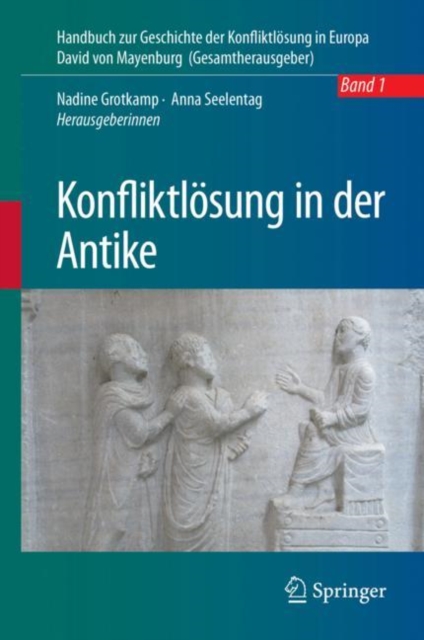
Das vierbändige „Handbuch zur Geschichte der Konfliktlösung in Europa“ beschäftigt sich mit rechtlichen und außerrechtlichen Wegen der Entscheidung von Konflikten zwischen einzelnen Menschen sowie zwischen Personen und ihren Obrigkeiten.
Das vierbändige „Handbuch zur Geschichte der Konfliktlösung in Europa“ beschäftigt sich mit rechtlichen und außerrechtlichen Wegen der Entscheidung von Konflikten zwischen einzelnen Menschen sowie zwischen Personen und ihren Obrigkeiten.
Das vierbändige „Handbuch zur Geschichte der Konfliktlösung in Europa“ beschäftigt sich mit rechtlichen und außerrechtlichen Wegen der Entscheidung von Konflikten zwischen einzelnen Menschen sowie zwischen Personen und ihren Obrigkeiten.
This book offers guidance for US-based IT businesses on both sides of the Atlantic when dealing with big data and government data, since transatlantic data flows are key to the success of these enterprises.
This book provides practical, business-orientated and accessible guidance on key employment and labour law aspects in national and international transfers of business in the European Union, its member states and selected important countries around the world.
The book examines the rights of defendants in infringement procedures and those of the notifying parties in merger proceedings before the European Commission and the Chinese competition authorities.
Presenting a wealth of highly original and innovative analyses and case studies, this book examines the strategic ties between various emerging economies, their different approaches to finding mutual trade solutions, and new trends in the use of contingent protection.
This book examines the labour standards provisions in a number of Regional and Bilateral Trade Agreements, and assesses the potential of using the relevant clauses in these trade agreements as a benchmark for a multilateral approach.
This book is a major work that focuses exclusively on ship finance and includes contributions on the increasingly complex field of ship finance, which has over the last two decades become a key aspect in the world of shipping and ship owning.
Worldwide, 500,000 shipments of materials which pose chemical, physical, or biological risks to human health, property, or the environment are made each day by air, rail, road, sea, and inland waterways totaling over 3.
Dieses Buch mit der Darstellung des deutschen und chinesischen Arbeits- und Steuerrechts wird dem Leser zum besseren Verständnis und als Hilfe zur Verständigung in deutscher, englischer, chinesischer und mit der aktualisierten 2.
Der Grundsatz der Verhältnismäßigkeit wird vom EuGH weder bei der Prüfung von Eingriffen in Grundrechte noch bei der Untersuchung von Beschränkungen der Grundfreiheiten einheitlich verwendet.
In diesem Buch untersucht der Autor in einer vor allem rechtsvergleichenden Studie aus dem Wettbewerbsrecht den von marktbeherrschenden Unternehmen ausgeübten Behinderungsmissbrauch bei einer vertikalen Marktstruktur.
Julia Merkle untersucht das Verhältnis zwischen den nationalen Gerichten und dem europäischen Patentgericht in der Übergangszeit nach dem Inkrafttreten des EPGÜ (Übereinkommen über ein Einheitliches Patentgericht) und die damit einhergehenden Auswirkungen für Kläger.
Im Recht der Sanierung und Abwicklung systemrelevanter Banken betrachtet und bewertet der Autor umfassend die verschiedenen Abwicklungsinstrumente mittels Vermögensübertragung – von den Finanzmarktstabilisierungsgesetzen in der Finanzkrise bis hin zum geltenden Recht im Single Resolution Mechanism (SRM) seit 2015.
Das Buch bietet eine umfassende, interdisziplinäre Untersuchung der Wechselbeziehungen zwischen gesundheitlichem Verbraucherschutz und grenzüberschreitendem Lebensmittelhandel, wie sie sich während der letzten 50 Jahre durch die Interaktion der relevanten internationalen Institutionen (GATT/WTO und Codex Alimentarius) entwickelt haben.
Im Zentrum dieser Studie steht eine der praxisrelevanten Fragestellungen, die sich aus der Rechtsprechung des EuGH zur Niederlassungsfreiheit der Gesellschaften ergeben.
Sarah Roja Azimi untersucht die Rechtsgrundlagen und die Modalitäten von Vertragsstörungen bei internationalen Handelsgeschäften, genauer die Störung des Warenexports von Deutschland in den Iran durch ein Wirtschaftsembargo.