Explores the ''unexhausted'' potential in current investor-state dispute settlement mechanisms to advance investors'' responsibility for their conduct.
Explores the ''unexhausted'' potential in current investor-state dispute settlement mechanisms to advance investors'' responsibility for their conduct.
The principle of solidarity is particularly important now because it is in juxtaposition to some current self-centered trends in politics: the crises that have upset the world in recent years, such as migrations, hegemonic aspirations, pandemics, and wars, have made self-evident the inadequacy of such selfish politics.
The principle of solidarity is particularly important now because it is in juxtaposition to some current self-centered trends in politics: the crises that have upset the world in recent years, such as migrations, hegemonic aspirations, pandemics, and wars, have made self-evident the inadequacy of such selfish politics.
This book examines the work of the World Trade Organization (WTO), with a focus on the capacity of its judiciary to strike a reasoned balance between free trade in biotechnology and biosafety as to promote the 2030 Agenda for Sustainable Development and its Sustainable Development Goals.
This book examines the work of the World Trade Organization (WTO), with a focus on the capacity of its judiciary to strike a reasoned balance between free trade in biotechnology and biosafety as to promote the 2030 Agenda for Sustainable Development and its Sustainable Development Goals.
This book presents a broad overview of the many intersections between health and the environment that lie at the basis of the most crucial environmental health issues, focusing on the responses provided by international and EU law.
This book presents a broad overview of the many intersections between health and the environment that lie at the basis of the most crucial environmental health issues, focusing on the responses provided by international and EU law.
This book provides an original and critical analysis of the most contentious subjects being negotiated in the China-EU Comprehensive Agreement on Investment (CAI).
This book provides an original and critical analysis of the most contentious subjects being negotiated in the China-EU Comprehensive Agreement on Investment (CAI).
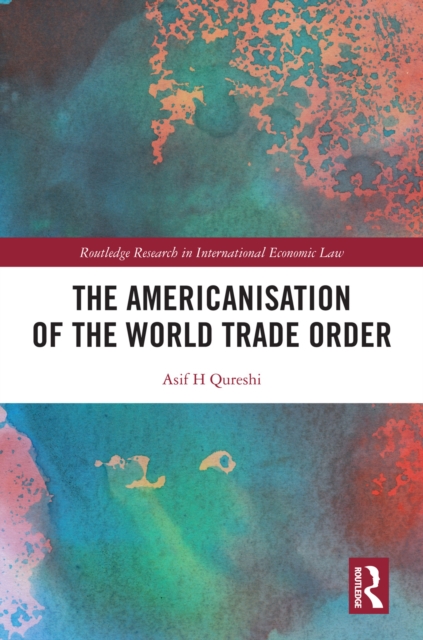
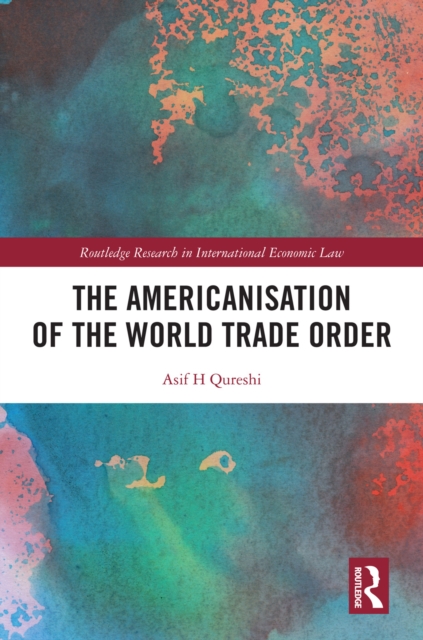
This book provides insights into the world trading order that is informed by power-in particular, the unidirectional norm imparting impact of US foreign trade law and practice on its trading partners and non-State actors.
This book provides insights into the world trading order that is informed by power-in particular, the unidirectional norm imparting impact of US foreign trade law and practice on its trading partners and non-State actors.
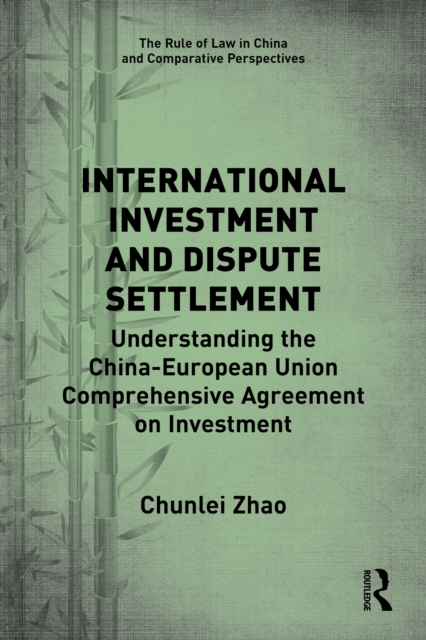
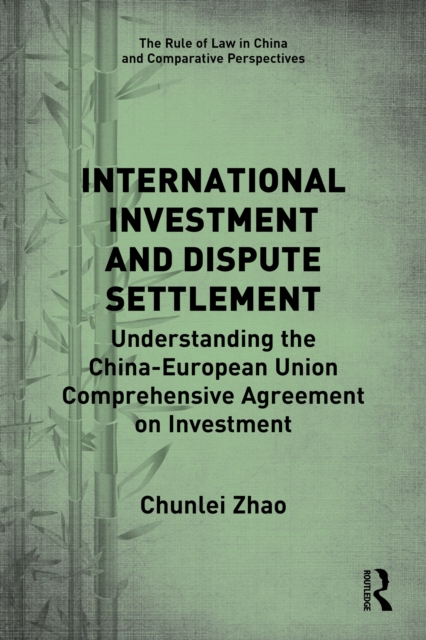
This book analyzes the dispute settlement mechanisms under the EU-China Comprehensive Agreement on Investment (CAI), including the already established mechanisms for general state-to-state dispute settlement and the Mechanism to Address Differences for investment and sustainable development issues.
This book analyzes the dispute settlement mechanisms under the EU-China Comprehensive Agreement on Investment (CAI), including the already established mechanisms for general state-to-state dispute settlement and the Mechanism to Address Differences for investment and sustainable development issues.
This book analyses India's trade policy evolution in the last two decades in the broad context of trends and patterns in global trade and in particular, with reference to the emergence of global value chains (GVCs).
This book analyses India's trade policy evolution in the last two decades in the broad context of trends and patterns in global trade and in particular, with reference to the emergence of global value chains (GVCs).
This book explores how law and policy makers within the Southern African Development Community regional structure might reform the legal and regulatory frameworks to best capitalise the benefits of the movement of people, drawing lessons from other experienced jurisdictions by critically engaging with the regulatory efforts and approaches in regions such as the European Union, the Economic Community of West African States, and the East African Community to propose a revised approach to migration governance and practice in the SADC.
This book explores how law and policy makers within the Southern African Development Community regional structure might reform the legal and regulatory frameworks to best capitalise the benefits of the movement of people, drawing lessons from other experienced jurisdictions by critically engaging with the regulatory efforts and approaches in regions such as the European Union, the Economic Community of West African States, and the East African Community to propose a revised approach to migration governance and practice in the SADC.
Demonstrating the crucial role that private international law and legality has played and continues to play in shaping globalization, this book argues that the rules, institutions, and actors that make up the practice of private international law have been critical in translating political and economic power into legal regimes that have facilitated the processes of globalization.
Trade agreements have uncontested relevance as essential instruments governing international trade, yet little attention has been directed towards explaining differences in their content.
Trade agreements have uncontested relevance as essential instruments governing international trade, yet little attention has been directed towards explaining differences in their content.
Exploring the relationship and interaction between economic interests and normative non-trade values, this book argues that the emergence and development of non-trade values is based on a complex dialectic interaction between selfish economic interests and normative values, and examines how their structural interdependence has given rise to a remarkable evolution in international trade.
Exploring the relationship and interaction between economic interests and normative non-trade values, this book argues that the emergence and development of non-trade values is based on a complex dialectic interaction between selfish economic interests and normative values, and examines how their structural interdependence has given rise to a remarkable evolution in international trade.
This book will discuss the legal tools offered by international law that can support foreign direct investment (FDI) in the renewable energy sector in the Global South.