Acknowledging the challenges and opportunities raised by Brexit for the agrifood supply chain and agricultural policies across the UK, this book provides the first in-depth analysis of agricultural policy developments across the UK's four nations rooted in strong theoretical and practical underpinnings.
Acknowledging the challenges and opportunities raised by Brexit for the agrifood supply chain and agricultural policies across the UK, this book provides the first in-depth analysis of agricultural policy developments across the UK's four nations rooted in strong theoretical and practical underpinnings.
As the challenge of preventing military conflict has become increasingly complex in the post-Cold War era, economic sanctions are being applied with growing frequency.
As the challenge of preventing military conflict has become increasingly complex in the post-Cold War era, economic sanctions are being applied with growing frequency.
Public procurement law, regulating public sector purchasing of certain contracts for goods, works and services, is an area of EU law which is closely intertwined with the UK's economy.
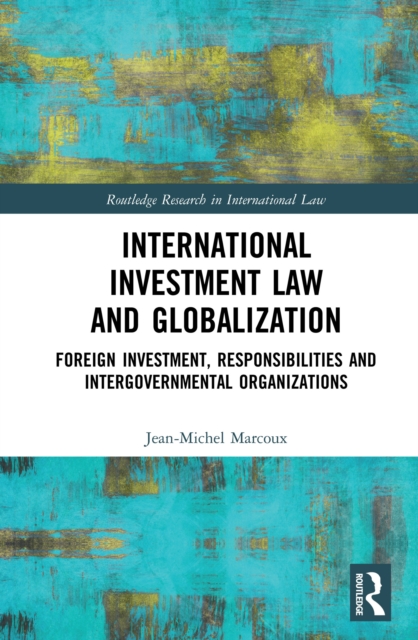
In a context of neoliberal globalization, have the processes of elaboration and implementation of foreign investors' responsibilities by intergovernmental organizations reached the realm of legality?
In a context of neoliberal globalization, have the processes of elaboration and implementation of foreign investors' responsibilities by intergovernmental organizations reached the realm of legality?
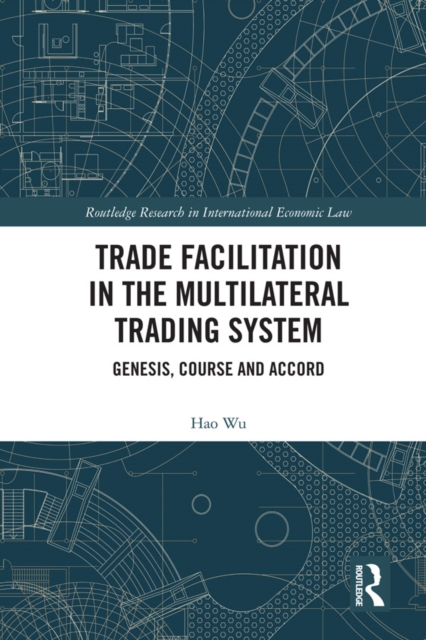
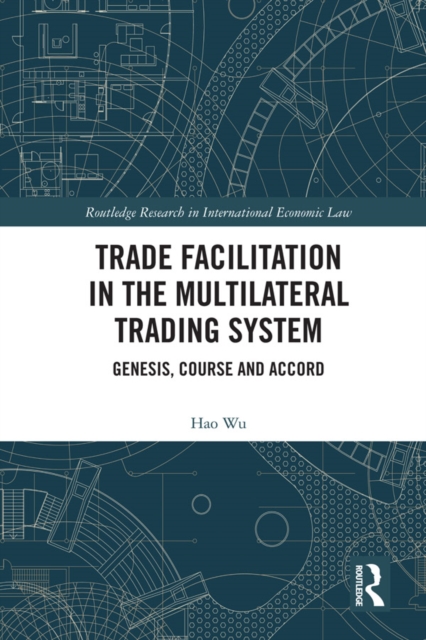
Negotiations on trade facilitation were concluded at the WTO 9th Ministerial Conference in 2013, and the Agreements on Trade Facilitation (TFA), therefore, became the first fully multilateral agreement in WTO history.
Negotiations on trade facilitation were concluded at the WTO 9th Ministerial Conference in 2013, and the Agreements on Trade Facilitation (TFA), therefore, became the first fully multilateral agreement in WTO history.
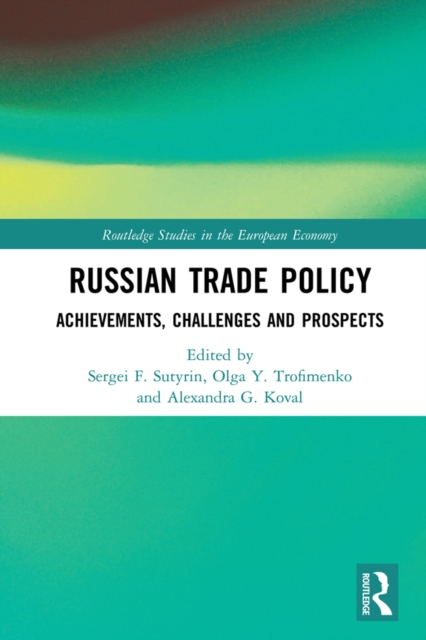
This book reveals the key trends in the modern Russian trade policy to provide a deeper understanding of the main challenges and barriers, possible paths and opportunities in its development.
This book reveals the key trends in the modern Russian trade policy to provide a deeper understanding of the main challenges and barriers, possible paths and opportunities in its development.
This volume fills a gap in the literature regarding questions around the interactive dynamics between law and diplomacy on international trade and investment.
This volume fills a gap in the literature regarding questions around the interactive dynamics between law and diplomacy on international trade and investment.
Published in 1997, in this book an attempt has been made to analyze the legal structure of GATT and the WTO as well as those agreements which control trade in textiles.
Published in 1997, in this book an attempt has been made to analyze the legal structure of GATT and the WTO as well as those agreements which control trade in textiles.
This book reflects critically on issues of diversity, access, and the expansion of digital technologies in audio-visual industries, particularly in terms of economics and policies.
This book reflects critically on issues of diversity, access, and the expansion of digital technologies in audio-visual industries, particularly in terms of economics and policies.
The accumulation of surplus petrofunds by some Arab countries, far exceeding the present absorptive capacities of their economies, has given rise to the idea of a major new development effort in sub-Saharan Africa, financed by Arab surpluses and supported by OECD technology and expertise.
In light of current negotiations concerning NAFTA and GATT, the question of intellectual property and its impact on international trade has taken on renewed urgency.
In the past, Soviet policymakers, planners, and jurists, in their enthusiasm for economic and technological development, devoted little attention to the often negative consequences of modernization.
This book describes European and Japanese nontariff barriers (NTBs) in areas of high-technology trade and discusses their impact on the international behavior of U.
This book explains the negotiations on an international framework for trade in services, undertaken in the Group of Negotiations on Services of the Uruguay Round, and the international discussions on transborder data flows and telecommunication regulation in a number of international fora.
This book presents the views of an international group of trade experts, who analyses the policies of the United States, Japan, and the European Community vis-a-vis the GATT.
This book analyzes in four parts constitutional problems of foreign trade policy and foreign trade law in "e;constitutional democracies"e; which protect fundamental human rights and effective political equality through constitutional restraints on the exercise of all government powers.
This book includes a collection of papers on surveys of topics under consideration in the Uruguay Round of trade negotiations, analysis of topics of traditional concern to developing countries, and a few theoretical papers on the role of law in the international trading system.
This book presents the step-by-step approach towards a more just and equitable International Economic Order, an equilibrium of interests based on understanding and experience in a rapidly changing world and discusses the problem of foreign debt in the present and a New International Economic Order.
The accumulation of surplus petrofunds by some Arab countries, far exceeding the present absorptive capacities of their economies, has given rise to the idea of a major new development effort in sub-Saharan Africa, financed by Arab surpluses and supported by OECD technology and expertise.
In light of current negotiations concerning NAFTA and GATT, the question of intellectual property and its impact on international trade has taken on renewed urgency.
This book presents the views of an international group of trade experts, who analyses the policies of the United States, Japan, and the European Community vis-a-vis the GATT.
This book explains the negotiations on an international framework for trade in services, undertaken in the Group of Negotiations on Services of the Uruguay Round, and the international discussions on transborder data flows and telecommunication regulation in a number of international fora.
In the past, Soviet policymakers, planners, and jurists, in their enthusiasm for economic and technological development, devoted little attention to the often negative consequences of modernization.
This book describes European and Japanese nontariff barriers (NTBs) in areas of high-technology trade and discusses their impact on the international behavior of U.
This book analyzes in four parts constitutional problems of foreign trade policy and foreign trade law in "e;constitutional democracies"e; which protect fundamental human rights and effective political equality through constitutional restraints on the exercise of all government powers.
This book presents the step-by-step approach towards a more just and equitable International Economic Order, an equilibrium of interests based on understanding and experience in a rapidly changing world and discusses the problem of foreign debt in the present and a New International Economic Order.
This book includes a collection of papers on surveys of topics under consideration in the Uruguay Round of trade negotiations, analysis of topics of traditional concern to developing countries, and a few theoretical papers on the role of law in the international trading system.
This book contributes new theoretical insight and in-depth empirical analysis about the relationship between transnational legality, state change and the globalisation of markets.
This book contributes new theoretical insight and in-depth empirical analysis about the relationship between transnational legality, state change and the globalisation of markets.