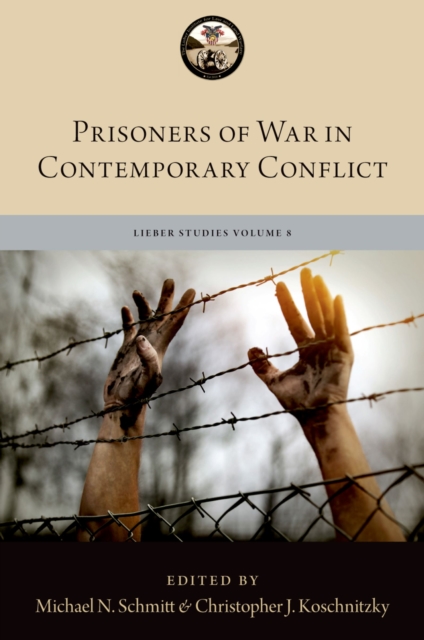
In 2021, the International Committee of the Red Cross released its Commentary on the 1949 Geneva Convention Relative to the Treatment of Prisoners of War (POWs).
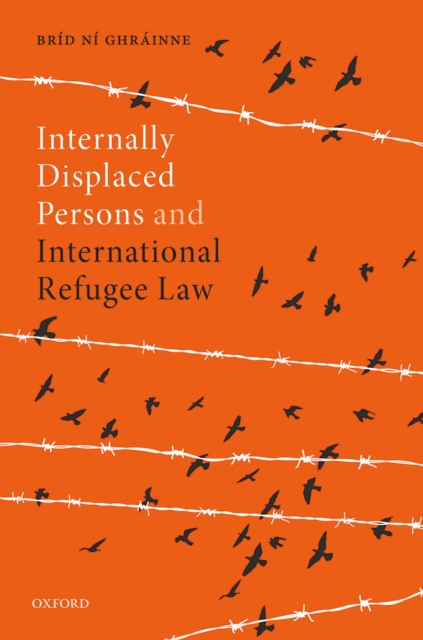
Internally Displaced Persons (IDPs) are persons who have been forced to leave their places of residence as a result of armed conflict, violence, human rights violations, or natural or human-made disasters, but who have not crossed an international border.
Internally Displaced Persons (IDPs) are persons who have been forced to leave their places of residence as a result of armed conflict, violence, human rights violations, or natural or human-made disasters, but who have not crossed an international border.
Self-determination is a cornerstone of modern international law-an inalienable right that empowers peoples to freely determine their political status and pursue their economic, social, and cultural development.
It is beyond question that States have positive obligations under the European Convention on Human Rights (ECHR) to prevent and address harm and risks of harm.
National Human Rights Institutions: Rules, Requirements, and Practice is an authoritative guide to National Human Rights Institutions (NHRI) in their important role as promoters and protectors of human rights at the national level.
National Human Rights Institutions: Rules, Requirements, and Practice is an authoritative guide to National Human Rights Institutions (NHRI) in their important role as promoters and protectors of human rights at the national level.
This book examines what international human rights law has gained from the new elements in the UN Convention on the Rights of Persons with Disabilities (CRPD).
This book takes an inductive approach to the question of whether there is a hierarchy in international law, with human rights obligations trumping other duties.
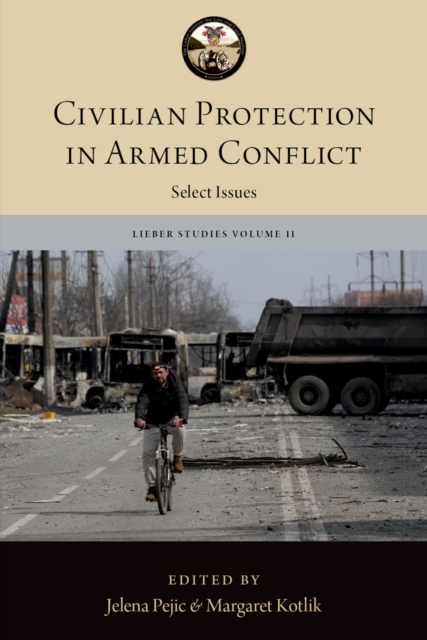
Protecting civilians who have fallen into enemy hands or are just about to come under the adversary's control is a constant challenge in the application of international humanitarian law (IHL) and the law of armed conflict (LOAC).
Social scientific research focusing on mass atrocities, which include widespread or systematic crimes such as genocide, crimes against humanity, and war crimes, expanded after the end of the Cold War.
Since the mid-twentieth century, 'international law' and 'international development' have become two of the most prominent secular languages through which aspirations about a better world are articulated.
At specific moments in the history of Africa, Europe, and Latin America, each region decided to create supranational jurisdictions to protect human rights.
At specific moments in the history of Africa, Europe, and Latin America, each region decided to create supranational jurisdictions to protect human rights.
Almost fifty years have passed since the adoption of the Convention Concerning the Protection of the World Cultural and Natural Heritage (the UNESCO World Heritage Convention).
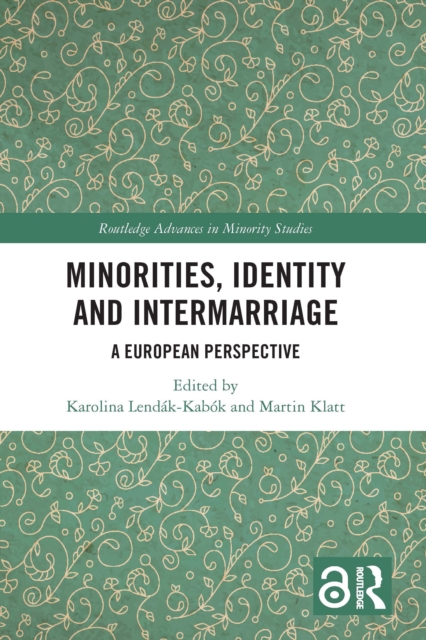
Intermarriages, uniting partners from diverse social, ethnic, religious, or racial backgrounds, play a pivotal and perhaps conflictual role in shaping group identities.
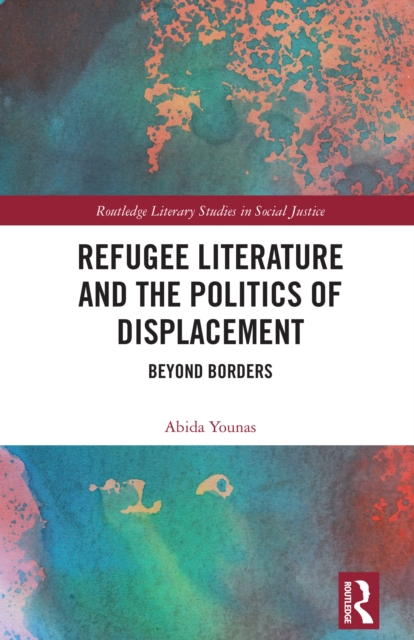
Refugee Literature and the Politics of Displacement: Beyond Borders develops a sustained interdisciplinary dialogue between contemporary refugee literature, human rights discourse, immigration policy, and international refugee law.
Refugee Literature and the Politics of Displacement: Beyond Borders develops a sustained interdisciplinary dialogue between contemporary refugee literature, human rights discourse, immigration policy, and international refugee law.
Intermarriages, uniting partners from diverse social, ethnic, religious, or racial backgrounds, play a pivotal and perhaps conflictual role in shaping group identities.
This book examines the interface between EU primary law and national substantive and procedural legislation governing fines imposed by Member States for breaches of European law or national implementing legislation.
This book examines the interface between EU primary law and national substantive and procedural legislation governing fines imposed by Member States for breaches of European law or national implementing legislation.
Die Arbeit untersucht den Schutz gleichgeschlechtlicher Sexualität in den europäischen Menschenrechten als Grundfrage des Verhältnisses von Gleichheit und Autonomie.
This unique book examines whether there is sufficient human rights accountability for undertakings supported by bilateral state development and export credit agencies.
This unique book examines whether there is sufficient human rights accountability for undertakings supported by bilateral state development and export credit agencies.
Sharing insights from the author's forty years of activism, this book champions the right to food as a fundamental human right and offers a compelling exploration of its evolution and application.
With this book, the authors provide a practical, experience-based guide for advocates seeking remedies for human rights violations through the use of international institutions.
With this book, the authors provide a practical, experience-based guide for advocates seeking remedies for human rights violations through the use of international institutions.
The book explores the links between fundamental rights and cultural identity in the European legal order especially in the case law of the European Court of Human Rights.
The book explores the links between fundamental rights and cultural identity in the European legal order especially in the case law of the European Court of Human Rights.
This book provides an in-depth and timely analysis of a relevant and controversial issue: the relationship between European Union values and international law.
This book provides an in-depth and timely analysis of a relevant and controversial issue: the relationship between European Union values and international law.
This edited collection explores the question of how those with limited capacity are enabled to take their part as members of society within the context of both a legal framework and the expectations of their family and community.
This edited collection explores the question of how those with limited capacity are enabled to take their part as members of society within the context of both a legal framework and the expectations of their family and community.