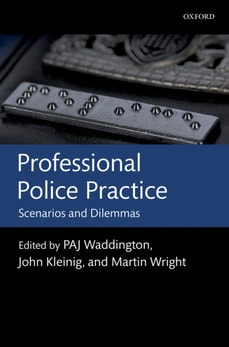
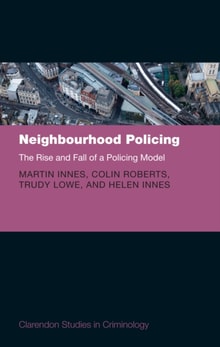
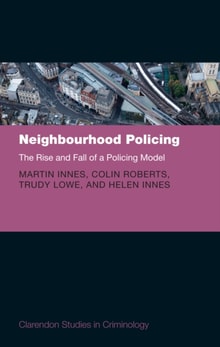
This fascinating new title offers an ethnographical investigation of contemporary police culture based on extensive field work across a range of ranks and units in the UK's police force.
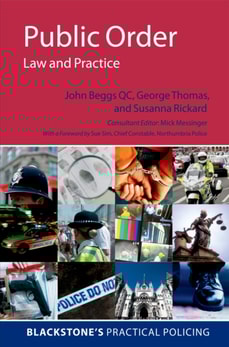
How can police officers engaged in public order policing ensure they act lawfully, secure safe criminal convictions, avoid civil claims and, perhaps most importantly, maintain the peace?
A Guide to National Security offers an analysis of the threats and policy responses facing the UK, presented within the framework of the Government's National Security Strategy and the Strategic Defence and Security Review.
A Guide to National Security offers an analysis of the threats and policy responses facing the UK, presented within the framework of the Government's National Security Strategy and the Strategic Defence and Security Review.
This is the first comprehensive study of the Bow Street Runners, a group of men established in the middle of the eighteenth century by Henry Fielding, with the financial support of the government, to confront violent offenders on the streets and highways around London.
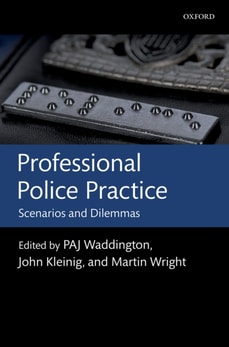
How can police officers engaged in public order policing ensure they act lawfully, secure safe criminal convictions, avoid civil claims and, perhaps most importantly, maintain the peace?
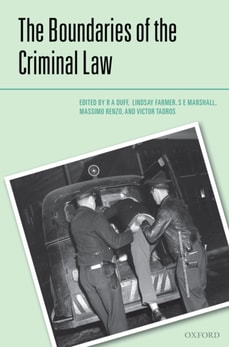
Criminalization is a new series arising from an interdisciplinary investigation into criminalization, focussing on the principles and goals that should guide decisions about what kinds of conduct are to be criminalized, and the forms that criminalization should take.
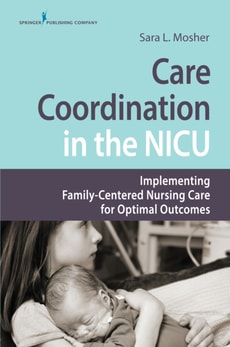
Focuses on nurturing the emotional health of patients and families to ensure improved outcomesThis innovative clinical practice resource for neonatal nurses embodies family-centered care strategies for optimal outcomes through every phase of the NICU experience.
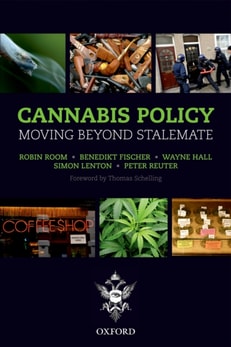
Cannabis, marijuana, pot, ganja - it goes by many names -- is by far the most widely used illegal substance, and accounts for more arrests than any other drug.
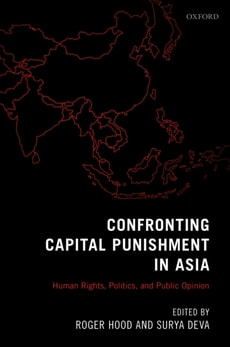
With the strengthening focus worldwide on human rights, there has been a rapid increase in recent years in the number of countries that have completely abolished the death penalty.
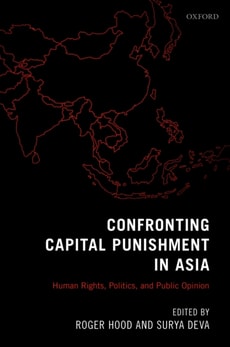
With the strengthening focus worldwide on human rights, there has been a rapid increase in recent years in the number of countries that have completely abolished the death penalty.
The politics of criminal sentencing has recently crystallised around the issue of whether and how a system of structured sentencing should inform judicial approaches to punishing criminals.
The politics of criminal sentencing has recently crystallised around the issue of whether and how a system of structured sentencing should inform judicial approaches to punishing criminals.
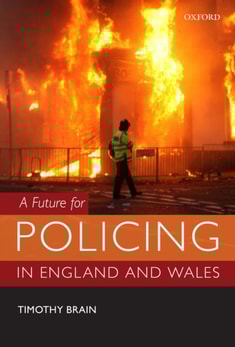
Encapsulating new policing developments under the Coalition, A Future for Policing in England and Wales examines the major reform proposals and reports brought in since May 2010, including the Winsor Report and the 2010 Comprehensive Spending Review, and analyses what these changes mean for the future of policing in England and Wales.
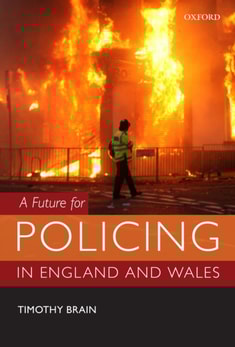
Encapsulating new policing developments under the Coalition, A Future for Policing in England and Wales examines the major reform proposals and reports brought in since May 2010, including the Winsor Report and the 2010 Comprehensive Spending Review, and analyses what these changes mean for the future of policing in England and Wales.
Opportunities to see expert cross-examinations are often infrequent in international arbitration and the occasions to sharpen these skills for many are rare.
Opportunities to see expert cross-examinations are often infrequent in international arbitration and the occasions to sharpen these skills for many are rare.
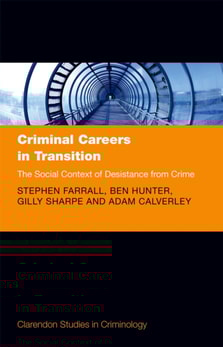
Continuing previous work exploring why people stop offending, and the processes by which they are rehabilitated in the community, Criminal Careers in Transition: The Social Context of Desistance from Crime follows the completion of a fifth sweep of interviews with members of a cohort of former probationers interviewed since the late-1990s.
Continuing previous work exploring why people stop offending, and the processes by which they are rehabilitated in the community, Criminal Careers in Transition: The Social Context of Desistance from Crime follows the completion of a fifth sweep of interviews with members of a cohort of former probationers interviewed since the late-1990s.
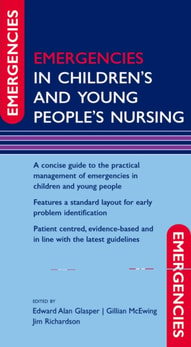
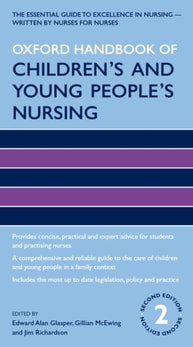
Enabling nurses to deliver safe and effective care and to achieve the best possible results for their patients, the Oxford Handbook of Children's and Young People's Nursing, 2nd edition is concise and practical guide to all aspects of the CYP nurse's role.
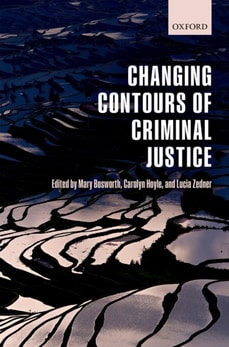
Celebrating the 50th Anniversary of the Oxford Centre for Criminology, this edited collection of essays seeks to explore the changing contours of criminal justice over the past half century and to consider possible shifts over the next few decades.
Celebrating the 50th Anniversary of the Oxford Centre for Criminology, this edited collection of essays seeks to explore the changing contours of criminal justice over the past half century and to consider possible shifts over the next few decades.
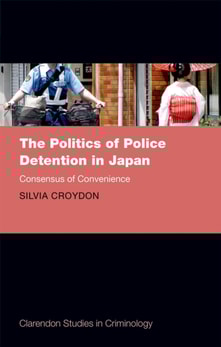
Filling a huge vacuum of scholarship on the Japanese criminal justice system, The Politics of Police Detention in Japan: Consensus of Convenience shines a spotlight on the remand procedure for criminal suspects in Japan, where the 23-day duration for which individuals can be held in police custody prior to being indicted is the longest amongst developed nations, with the majority of countries stipulating 4 days or less.
Filling a huge vacuum of scholarship on the Japanese criminal justice system, The Politics of Police Detention in Japan: Consensus of Convenience shines a spotlight on the remand procedure for criminal suspects in Japan, where the 23-day duration for which individuals can be held in police custody prior to being indicted is the longest amongst developed nations, with the majority of countries stipulating 4 days or less.
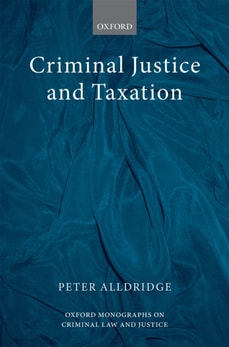
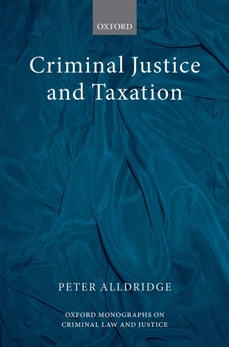
The fallout from the financial crisis of 2007-8, HSBC Suisse in 2015, and the Panama Papers in 2016 has generated calls for far more vigorous and punitive responses to tax evasion and greater international co-operation against mechanisms for giving anonymity to the ownership of property.
The fallout from the financial crisis of 2007-8, HSBC Suisse in 2015, and the Panama Papers in 2016 has generated calls for far more vigorous and punitive responses to tax evasion and greater international co-operation against mechanisms for giving anonymity to the ownership of property.