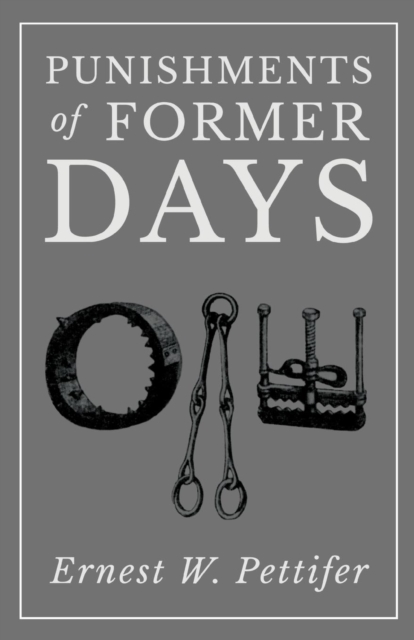
First published in 1913, this fascinating volume presents a detailed history and analysis of punishment throughout history, exploring in detailed historical enforcement and the various methods used to punish people.
This monograph considers the correlation between the relative success of retributive penal policies in English-speaking liberal democracies since the 1970s, and the practical evidence of increasingly excessive reliance on the penal State in those jurisdictions.
This book presents an in-depth comparative study of sentencing practice for rape in six common law jurisdictions: England and Wales, Scotland, Ireland, Canada, New Zealand, and South Africa.
This book presents an in-depth comparative study of sentencing practice for rape in six common law jurisdictions: England and Wales, Scotland, Ireland, Canada, New Zealand, and South Africa.
This exploration of penal censure is inspired by the 40th anniversary of the publication of Andreas von Hirsch's Doing Justice, which opened up a fresh set of issues in theorisation about punishment that eventually led von Hirsch to ground his proposed model of desert-based sentencing on the notion of penal censure.
This exploration of penal censure is inspired by the 40th anniversary of the publication of Andreas von Hirsch's Doing Justice, which opened up a fresh set of issues in theorisation about punishment that eventually led von Hirsch to ground his proposed model of desert-based sentencing on the notion of penal censure.
This book provides a normative analysis of the justifications and limits of asset confiscation as a crime control measure in a comparative perspective.
This book provides a normative analysis of the justifications and limits of asset confiscation as a crime control measure in a comparative perspective.
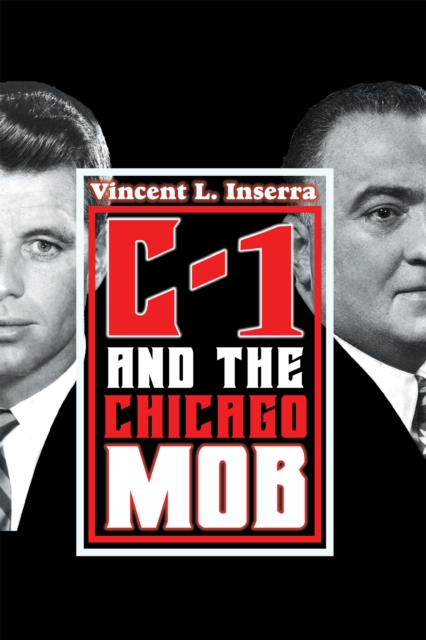
This book was written as a tribute to all the agents who were assigned to Criminal Squad #1, more commonly referred to as the C-1 Squad, of the Chicago Division of the FBI from 1957 to 1976, a period of nineteen years.
Community Justice discusses concepts of community within the context of justice policy and programs and addresses the important relationship between the criminal justice system and the community in the USA.
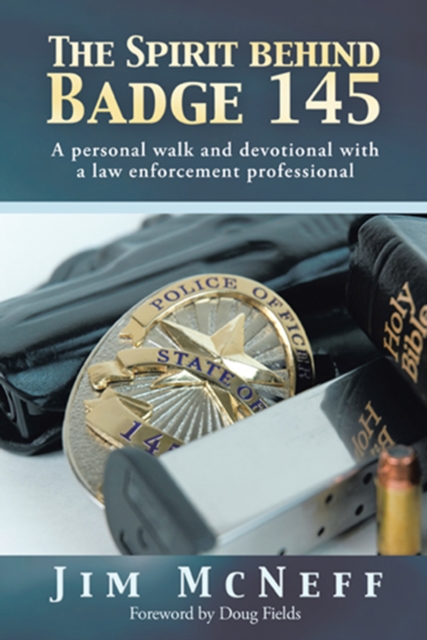
We are enamored with stories about cops, but rarely do we get a chance to walk in the shoes of one while reading about the personal and spiritual battles waged when one is fighting crime.
High-profile legal cases involving individuals with mental health challenges often address complex issues that confront previous decisions of the courts, influence or change existing social policies, and ultimately have a profound impact on the daily practice of mental health professionals and the lives of their patients.
High-profile legal cases involving individuals with mental health challenges often address complex issues that confront previous decisions of the courts, influence or change existing social policies, and ultimately have a profound impact on the daily practice of mental health professionals and the lives of their patients.
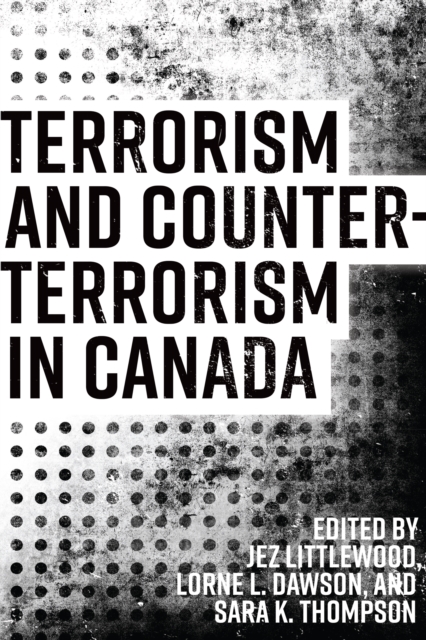
Through close analysis of the Canadian context, Terrorism and Counterterrorism in Canada provides an advanced introduction to the challenges and social consequences presented by terrorism today.
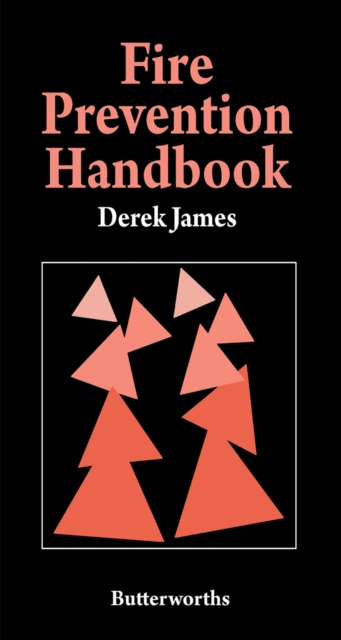
Fire Prevention Handbook is a handbook on fire prevention and covers topics ranging from the so-called Fire Triangle to fire extinguishers, fixed systems, fire alarms, and workforce training.
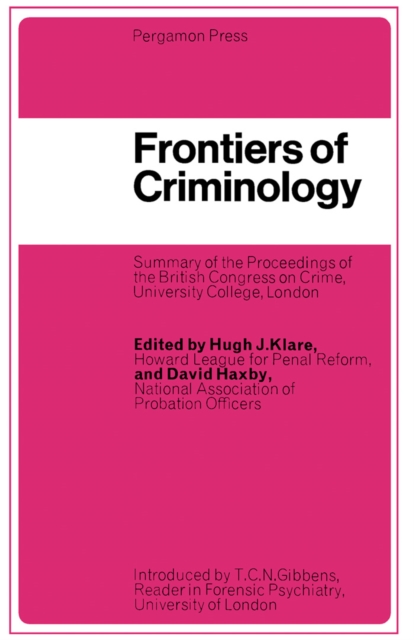
Frontiers of Criminology is a summary of the Proceedings of the British Congress on Crime held at the University College, London, on September 5-9, 1966.
Fueled by corruption, fraud, and organized crime, the shadow economy also known as the informal, black market, illegal, or underground economy is currently on the rise worldwide.
Emergency Action for Chemical and Biological Warfare Agents, Second Edition is intended for the first responder to the scene of the release of a chemical or biological warfare agent.
A collection of works, some previously published as articles in the journal Police Practice and Research, this book provides both conceptual analysis and case studies, exploring historical and sociopolitical contexts of conflicts in order to help readers better understand these themes.
Managing Intelligence: A Guide for Law Enforcement Professionals is designed to assist practitioners and agencies build an efficient system to gather and manage intelligence effectively and lawfully in line with the principles of intelligence-led policing.
Written by a foremost expert in the field, this hands-on, evidence-based guide describes how to conduct a comprehensive forensic neuropsychological evaluation and provide expert testimony.
Widely used by practitioners, researchers, and students--and now thoroughly revised with 70% new material--this is the most authoritative, comprehensive book on malingering and other response styles.