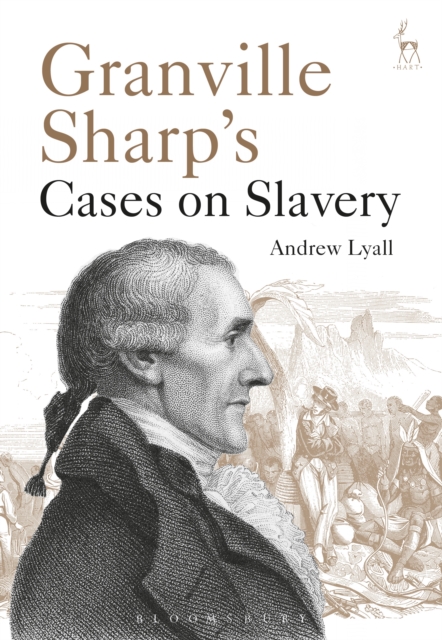
The purpose of Granville Sharpe's Cases on Slavery is twofold: first, to publish previously unpublished legal materials principally in three important cases in the 18th century on the issue of slavery in England, and specifically the status of black people who were slaves in the American colonies or the West Indies and who were taken to England by their masters.
The management of religious and ideological diversity remains a key challenge of our time deeply entangled with debates about the nature of liberal democracy, equality, social cohesion, minorities and nationalism, security and foreign policy.
The management of religious and ideological diversity remains a key challenge of our time deeply entangled with debates about the nature of liberal democracy, equality, social cohesion, minorities and nationalism, security and foreign policy.
This book analyses human rights in post-national contexts and demonstrates, through the case law of the European Court of Human Rights, that the Margin of Appreciation doctrine is an essential part of human rights adjudication.
This book analyses human rights in post-national contexts and demonstrates, through the case law of the European Court of Human Rights, that the Margin of Appreciation doctrine is an essential part of human rights adjudication.
This volume in the Swedish Studies in European Law series, produced by the Swedish Network for European Legal Studies, heralds the new harmonised regime of private enforcement of EU competition law.
This volume in the Swedish Studies in European Law series, produced by the Swedish Network for European Legal Studies, heralds the new harmonised regime of private enforcement of EU competition law.
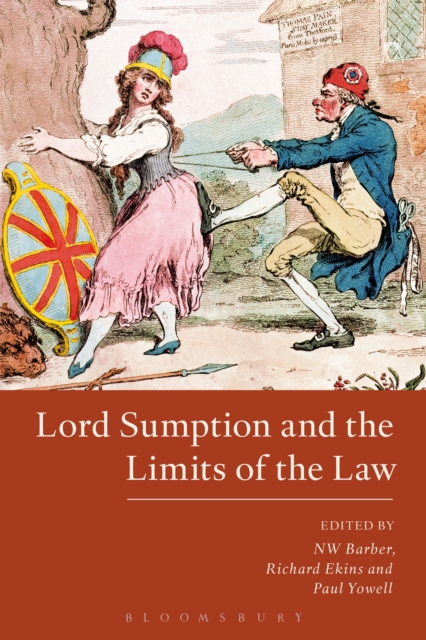
In Lord Sumption and the Limits of the Law, leading public law scholars reflect on the nature and limits of the judicial role and its implications for human rights protection and democracy.
In Lord Sumption and the Limits of the Law, leading public law scholars reflect on the nature and limits of the judicial role and its implications for human rights protection and democracy.
Property as a human rights concern is manifested through its incorporation in international instruments and as a subject of the law through property-related cases considered by international human rights organs.
Property as a human rights concern is manifested through its incorporation in international instruments and as a subject of the law through property-related cases considered by international human rights organs.
This seventh volume in the Swedish Studies in European Law series brings together some of the most prominent scholars working within the fast-evolving field of EU civil justice.
This seventh volume in the Swedish Studies in European Law series brings together some of the most prominent scholars working within the fast-evolving field of EU civil justice.
Since the entry into force of the Lisbon Treaty, data protection has been elevated to the status of a fundamental right in the European Union and is now enshrined in the EU Charter of Fundamental Rights alongside the right to privacy.
Since the entry into force of the Lisbon Treaty, data protection has been elevated to the status of a fundamental right in the European Union and is now enshrined in the EU Charter of Fundamental Rights alongside the right to privacy.
A unique investigation into how alliances form in highly polarized times among LGBTQ, immigrant, and labor rights activists, revealing the impacts within each rights movement.
Contemporary feminist advocacy in human rights, international criminal law, and peace and security is gripped by the issue of sexual violence in conflict.
When first written into the Constitution, intellectual property aimed to facilitate "e;progress of science and the useful arts"e; by granting rights to authors and inventors.
The Politics of Love in Myanmar offers an intimate ethnographic account of a group of LGBT activists before, during, and after Myanmar's post-2011 political transition.
Emptied Lands investigates the protracted legal, planning, and territorial conflict between the settler Israeli state and indigenous Bedouin citizens over traditional lands in southern Israel/Palestine.
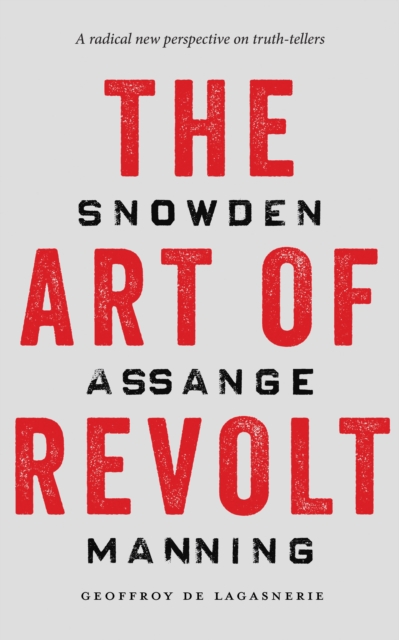
Edward Snowden, Julian Assange, and Chelsea Manning are key figures in the struggles playing out in our democracies over internet use, state secrets, and mass surveillance in the age of terror.
In ardent dedication to defend civil liberties, the author speaks from the viewpoint of a progressive conservative aiming to resolve injustices placed upon the vulnerable, defenseless, & disadvantaged.
Based on actual events from Mississippis Civil Rights Movement, Justice for Ella is a story of two womenone black, one whitewho fought and won against seemingly insurmountable meanness.
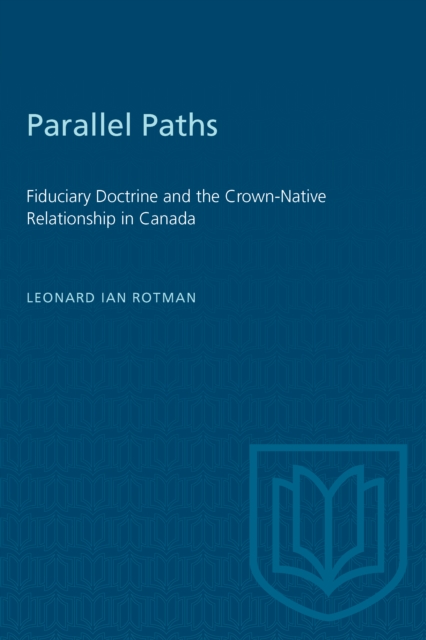
In a landmark decision in 1984, the Supreme Court of Canada declared that the Crown is bound by fiduciary, or trust-like, obligations to Canada's aboriginal peoples.
There is no one in Canada better qualified to write on this topic than Professor Scott, and few who could handle it with comparable brilliance and skill.
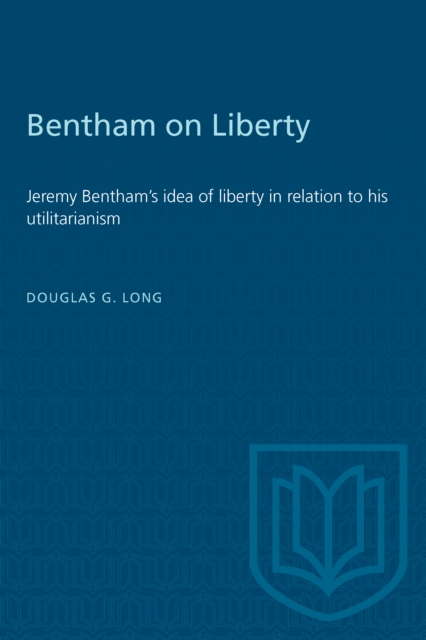
Bentham on Liberty focuses on the crucial formative years, when the English social philosopher Jeremy Bentham was in his twenties and thirties between 1770 and 1790, and draws on the unpublished manuscripts held at University College, London, to throw a new light on his early intellectual development.