Very Short Introductions: Brilliant, Sharp, InspiringThe criminal justice system is diverse and complex and raises questions about the use of imprisonment, the effects of capital punishment, the purposes of sentencing, and the role of the victim.
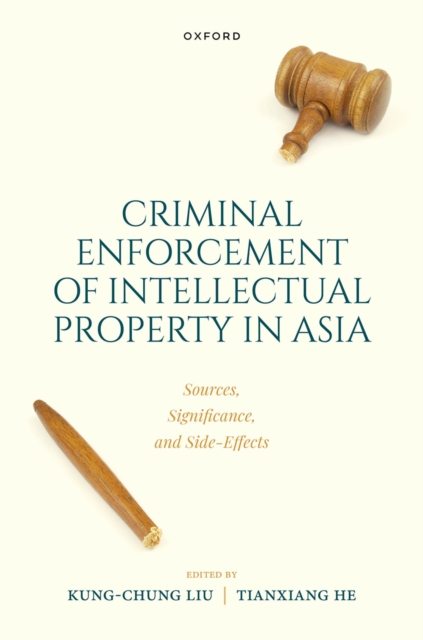
IP scholars are not familiar with criminal law, nor are criminal law scholars familiar with IP law; Criminal Enforcement of Intellectual Property in Asia: Sources, Significance, and Side-Effects delves into this no man's land.
Eva Ng's groundbreaking work delves into post-colonial Hong Kong courtrooms, where jury service is exclusive to well-educated individuals deemed capable of understanding English proceedings.
Eva Ng's groundbreaking work delves into post-colonial Hong Kong courtrooms, where jury service is exclusive to well-educated individuals deemed capable of understanding English proceedings.
IP scholars are not familiar with criminal law, nor are criminal law scholars familiar with IP law; Criminal Enforcement of Intellectual Property in Asia: Sources, Significance, and Side-Effects delves into this no man's land.
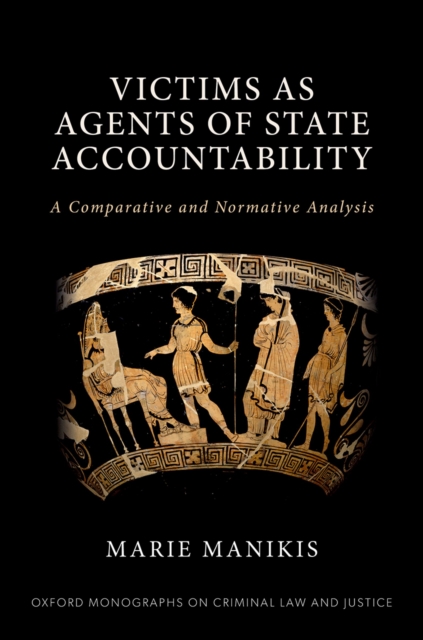
While prevailing accounts of victim participation often frame victims as holders of primarily private interests, victims in common law jurisdictions have increasingly emerged as active public participants in criminal justice systems.
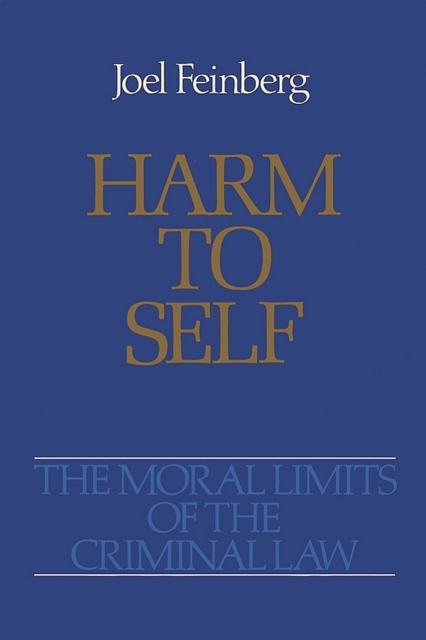
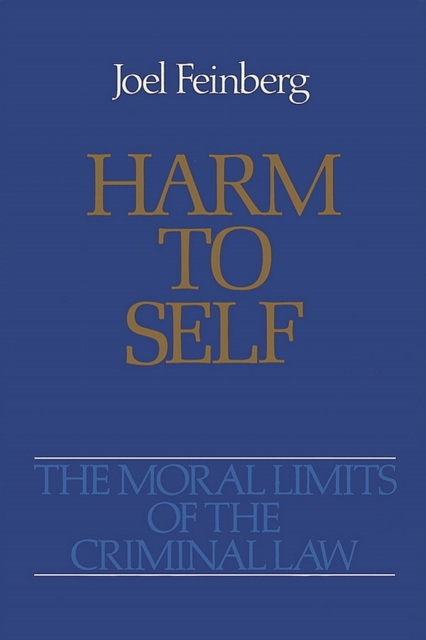
This is the third volume of Joel Feinberg's highly regarded The Moral Limits of the Criminal Law, a four-volume series in which Feinberg skillfully addresses a complex question: What kinds of conduct may the state make criminal without infringing on the moral autonomy of individual citizens?
This is the third volume of Joel Feinberg's highly regarded The Moral Limits of the Criminal Law, a four-volume series in which Feinberg skillfully addresses a complex question: What kinds of conduct may the state make criminal without infringing on the moral autonomy of individual citizens?
While prevailing accounts of victim participation often frame victims as holders of primarily private interests, victims in common law jurisdictions have increasingly emerged as active public participants in criminal justice systems.
As the Black Lives Matter movement highlights the legacies of transatlantic slavery and racial empire, the British state has launched a new moral crusade: the fight against 'modern slavery'.
As the Black Lives Matter movement highlights the legacies of transatlantic slavery and racial empire, the British state has launched a new moral crusade: the fight against 'modern slavery'.
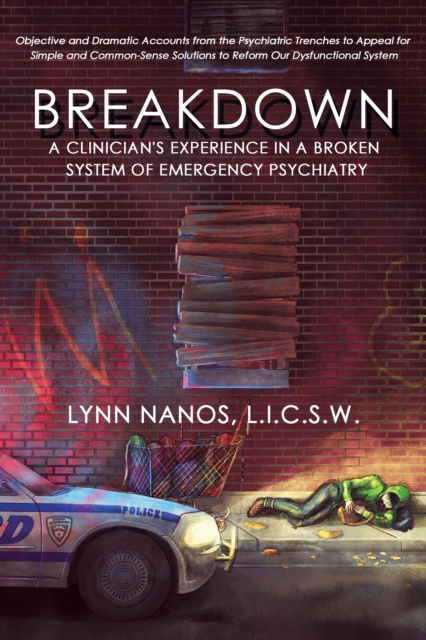
When hospitals release seriously mentally ill patients too soon without outpatient follow-up, the patients can end up homeless, jailed, harming others, or even dead.
The Russian invasion of Ukraine reignited discussions on London's property and financial markets as prime destinations for the spoils of kleptocracy and other forms of corrupt wealth.
This book examines one of the deepest paradoxes of Colombia’s transition: how a peace agreement and its most innovative institution, the Special Jurisdiction for Peace (SJP), came to divide the nation so profoundly, even as international institutions and experts hailed it as a pioneering model of transitional justice.
This SQE1 revision guide covers the requirements of the SRA SQE1 2026 specification for criminal practice, which will be examined within the FLK2 assessments in January and July 2027.
This book examines one of the deepest paradoxes of Colombia’s transition: how a peace agreement and its most innovative institution, the Special Jurisdiction for Peace (SJP), came to divide the nation so profoundly, even as international institutions and experts hailed it as a pioneering model of transitional justice.
Scanning millions of faces each year, facial recognition technology (FRT) has become one of today's fastest growing and most controversial AI-driven surveillance technologies.
In the information society, technology has become ubiquitous, but its intrinsic vulnerabilities and the complexity of managing mission-critical systems create an attractive target for potential attackers.
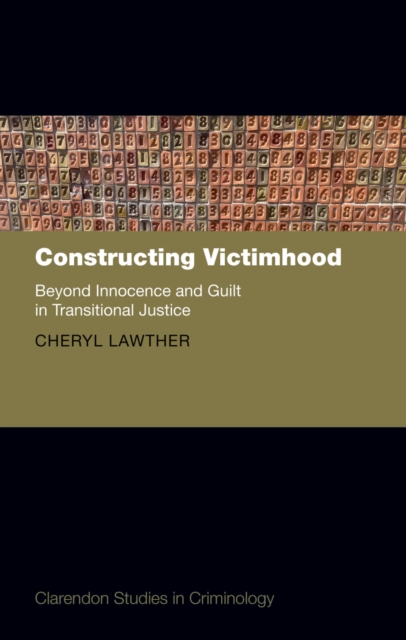
Constructing Victimhood seeks to go 'beyond innocence and guilt' to expand the criminological, victimological, and transitional justice image of who we 'see' as victims, what we 'hear' as experiences of victimisation, and who makes these determinations.
In the information society, technology has become ubiquitous, but its intrinsic vulnerabilities and the complexity of managing mission-critical systems create an attractive target for potential attackers.
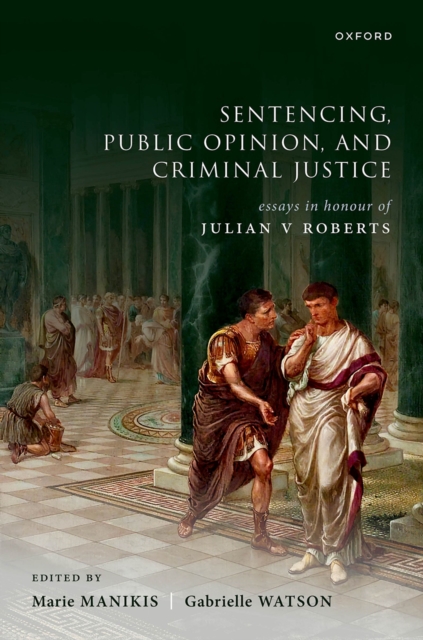
This volume celebrates the achievements of Julian V Roberts KC (Hon), Emeritus Professor of Criminology at the University of Oxford, over forty years of scholarship.
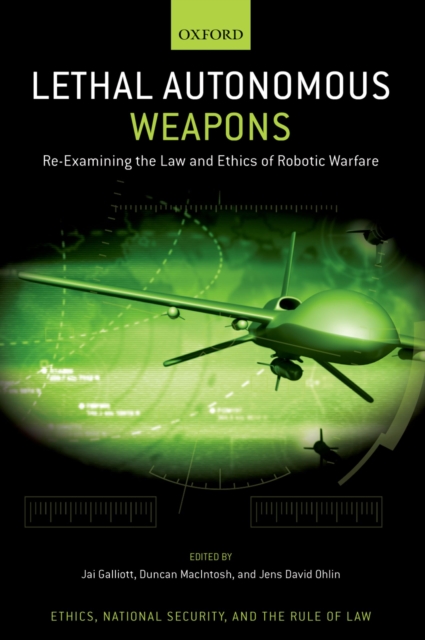
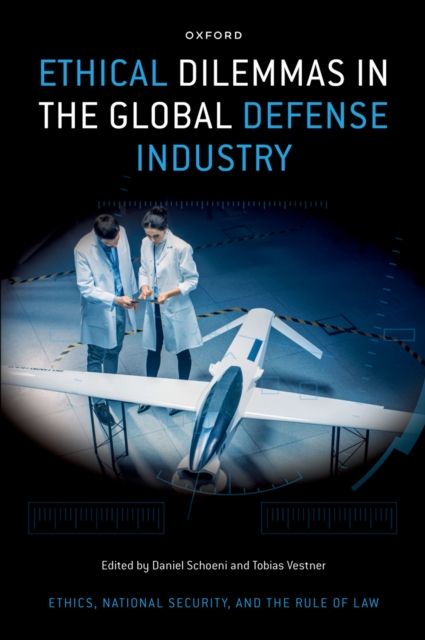
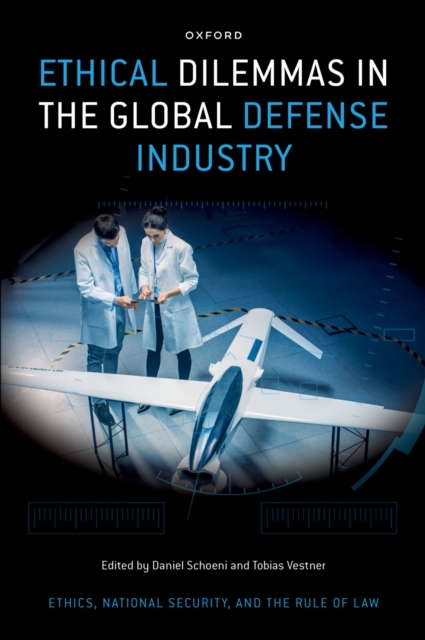
The question of whether new rules or regulations are required to govern, restrict, or even prohibit the use of autonomous weapon systems has been the subject of debate for the better part of a decade.
This comprehensive resource for the Introduction to Criminology course shows students how to think logically and critically about real, contemporary cases and issues in criminology, engaging each student in a dynamic process of discovery.
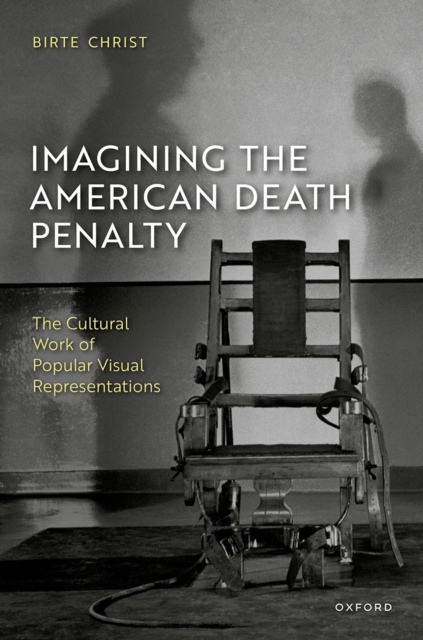
Imagining the American Death Penalty traces the US American cultural imaginary of capital punishment through popular visual representations from the 1890s to the twenty-first century.
The Russian invasion of Ukraine reignited discussions on London's property and financial markets as prime destinations for the spoils of kleptocracy and other forms of corrupt wealth.
This volume celebrates the achievements of Julian V Roberts KC (Hon), Emeritus Professor of Criminology at the University of Oxford, over forty years of scholarship.