Essay aus dem Jahr 2020 im Fachbereich Jura - Medienrecht, Multimediarecht, Urheberrecht, Note: 1,0, FOM Hochschule für Oekonomie und Management gemeinnützige GmbH, Hochschulstudienzentrum Hamburg, Veranstaltung: Geistiges Eigentum & Wettbewerbsrecht, Sprache: Deutsch, Abstract: Diese Arbeit beschäftigt sich mit dem Thema geistiges Eigentum und Wettbewerbsrecht.
Projektarbeit aus dem Jahr 2023 im Fachbereich Jura - Medienrecht, Multimediarecht, Urheberrecht, Note: 1,7, , Sprache: Deutsch, Abstract: Was sind die aktuellen medienrechtlichen Vorgaben von bezahlter Werbung und Kooperationen auf Social-Media-Plattformen und wie sind solche Beiträge zu kennzeichnen?
Studienarbeit aus dem Jahr 2021 im Fachbereich Jura - Medienrecht, Multimediarecht, Urheberrecht, Note: 1,7, Carl von Ossietzky Universität Oldenburg, Sprache: Deutsch, Abstract: Beginnend wird in der vorliegenden Arbeit das Prinzip des Streamings im Internet anhand der verschiedenen Wiedergabearten und der technischen Hintergründe beschrieben und vorgestellt.
Wissenschaftlicher Aufsatz aus dem Jahr 2023 im Fachbereich Jura - Medienrecht, Multimediarecht, Urheberrecht, Note: 16 Punkte, Friedrich-Alexander-Universität Erlangen-Nürnberg, Sprache: Deutsch, Abstract: Die Darstellung der eigenen Person im Internet gefährdet im Zweifel schnell die individuelle Identität.
Bachelorarbeit aus dem Jahr 2020 im Fachbereich Medien / Kommunikation - Public Relations, Werbung, Marketing, Social Media, Note: 1,0, Hochschule der Medien Stuttgart, Sprache: Deutsch, Abstract: Das Ziel dieser Arbeit ist es, Gründe für die geringe Anzahl an Rennfahrerinnen im Motorsport herauszuarbeiten.
Studienarbeit aus dem Jahr 2023 im Fachbereich Jura - Medienrecht, Multimediarecht, Urheberrecht, Note: 1,9, Humboldt-Universität zu Berlin, Sprache: Deutsch, Abstract: Der Verfasser setzt sich nachfolgend mit dem hochaktuellen Thema zur Fragestellung auseinander, ob die Verwendung des "Chat-GPT" an Hochschulen und Universitäten bei der Erstellung von Hausarbeiten und ähnlichen Textaufgaben regelgerecht die Exmatrikulation zu Folge haben müsste.
Bachelorarbeit aus dem Jahr 2020 im Fachbereich Jura - Medienrecht, Multimediarecht, Urheberrecht, Note: 1,3, Hochschule Anhalt - Standort Bernburg, Sprache: Deutsch, Abstract: Der 3D-Druck ist eine der bedeutendsten Erfindungen der letzten 50 Jahre.
Studienarbeit aus dem Jahr 2023 im Fachbereich Jura - Medienrecht, Multimediarecht, Urheberrecht, Note: 1,3, , Sprache: Deutsch, Abstract: In dieser Hausarbeit geht es in erster Linie um die Untersuchung des Begriffs der Mangel in Vertragen, die sich auf digitale Produkte beziehen.
Studienarbeit aus dem Jahr 2023 im Fachbereich Jura - Medienrecht, Multimediarecht, Urheberrecht, Note: 1,6, Universität Osnabrück, Sprache: Deutsch, Abstract: Seit Januar 2022 gibt es im Bürgerlichen Gesetzbuch neue Richtlinien zur Bereitstellung digitaler Inhalte.
Diplomarbeit aus dem Jahr 2023 im Fachbereich Jura - Medienrecht, Multimediarecht, Urheberrecht, Fachhochschule für öffentliche Verwaltung und Rechtspflege in Bayern in München, Sprache: Deutsch, Abstract: Wer sich in den sozialen Medien mit den Kommentaren von anderen Nutzern auseinandersetzt, dem fällt auf, dass der soziale Raum gar nicht so sozial ist.
Studienarbeit aus dem Jahr 2020 im Fachbereich Jura - Medienrecht, Multimediarecht, Urheberrecht, Note: 1,3, , Sprache: Deutsch, Abstract: Diese Arbeit wird sich mit der folgenden Frage beschäftigen: Wann müssen deutsche Influencer auf Instagram Beiträge als Werbung kennzeichnen, um der Rechtslage gerecht zu werden?
Master's Thesis from the year 2004 in the subject Law - Media, Multimedia Law, Copyright, grade: first, distinction (mit Auszeic, University of Wales, Aberystwyth, course: LL.
Seminar paper from the year 2004 in the subject Law - Media, Multimedia Law, Copyright, grade: First, distinction, University of Wales, Aberystwyth (Law Faculty), course: Seminar: International Copyright Law, language: English, abstract: This paper tries to examine the impact of technological change and thus asks, in how far copyright laws have developed as a direct answer to technological inventions and which other factors supported or delayed its development.
Studienarbeit aus dem Jahr 2022 im Fachbereich Jura - Medienrecht, Multimediarecht, Urheberrecht, Note: 1,0, , Veranstaltung: IT und Medienrecht, Sprache: Deutsch, Abstract: Aktueller denn je befasst sich diese Hausarbeit mit dem Hatespeech und Entstehungen in den sozialen Netzwerken - was kann dagegen von offizieller Seite des Bundes unternommen werden?
Studienarbeit aus dem Jahr 2023 im Fachbereich Jura - Medienrecht, Multimediarecht, Urheberrecht, Note: 13,00, Universitat Passau (Juristische Fakultat), Veranstaltung: Staat und Verwaltung vor den Herausforderungen der Gegenwart, Sprache: Deutsch, Abstract: Liken, Blocken, Loschen - was durfen Bundeskanzler und Co.
Studienarbeit aus dem Jahr 2020 im Fachbereich Jura - Medienrecht, Multimediarecht, Urheberrecht, Note: 2,3, Universität Hildesheim (Stiftung), Sprache: Deutsch, Abstract: Seit der Einführung von sozialen Netzwerken im Internet hat sich die Art und Weise, wie Menschen in Deutschland und weltweit kommunizieren, entscheidend verändert.
Studienarbeit aus dem Jahr 2021 im Fachbereich Jura - Medienrecht, Multimediarecht, Urheberrecht, Note: 1,0, Universität Trier, Sprache: Deutsch, Abstract: Die Arbeit beschäftigt sich mit der Frage, ob an artifiziellen Erzeugnissen de lege lata Urheber- oder Leistungsschutzrechte entstehen können und wem diese im gegebenen Fall zustehen.
This two-volume manual is a comprehensive, multidisciplinary guide to understanding the system of digital platforms, or the e-Agorà of the third millennium, making it an essential resource for anyone seeking clarity in the digital world.
This two-volume manual is a comprehensive, multidisciplinary guide to understanding the system of digital platforms, or the e-Agorà of the third millennium, making it an essential resource for anyone seeking clarity in the digital world.
Dieses Lehrbuch behandelt Fälle und Materialien, die datenschutzinteressierte Personen in das Datenschutzrecht der Europäischen Union (EU) einführen und gleichzeitig als Referenzpunkt für Studierende und Praktiker dienen.
Dieses Lehrbuch behandelt Fälle und Materialien, die datenschutzinteressierte Personen in das Datenschutzrecht der Europäischen Union (EU) einführen und gleichzeitig als Referenzpunkt für Studierende und Praktiker dienen.
Dieses Buch analysiert den grundrechtlichen Schutzbereich der Garantien der Meinungsäußerungsfreiheit in den Grundrechtskatalogen der EMRK, des Grundgesetzes und der Grundrechtecharta der EU.
Dieses Buch analysiert den grundrechtlichen Schutzbereich der Garantien der Meinungsäußerungsfreiheit in den Grundrechtskatalogen der EMRK, des Grundgesetzes und der Grundrechtecharta der EU.
National security reporting has long involved tension between governmental efforts to protect against threats to our collective well-being and journalism's efforts to inform the public and hold state actors to account.
Located within wider debates about 'security versus liberty' in our post 9/11 world, the book analyses the new landscape of UK counter terrorism powers and offences and focuses upon the deleterious consequences of the so-called 'war on terror' on freedom of political expression and association.
National security reporting has long involved tension between governmental efforts to protect against threats to our collective well-being and journalism's efforts to inform the public and hold state actors to account.
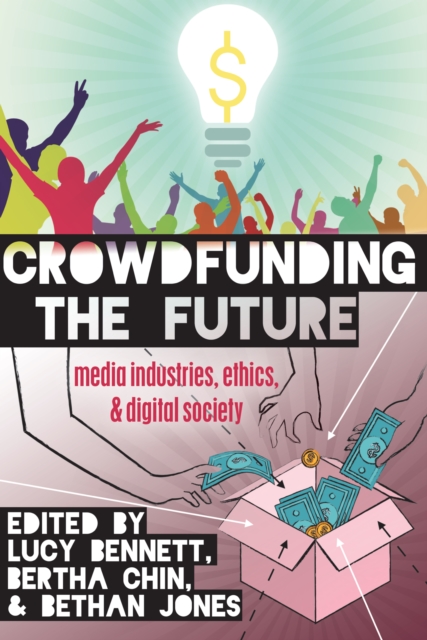
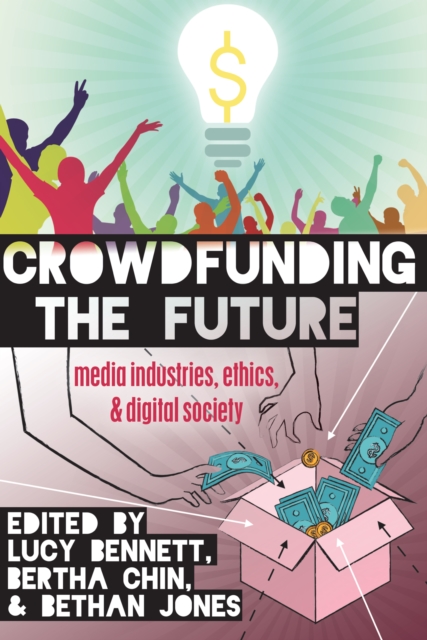
The concept of crowdfunding, where grassroots creative projects are funded by the masses through websites such as Kickstarter and Indiegogo, has been steadily gaining attention over the last few years.
The concept of crowdfunding, where grassroots creative projects are funded by the masses through websites such as Kickstarter and Indiegogo, has been steadily gaining attention over the last few years.
Das Buch befasst sich mit haftungsrechtlichen Fragestellungen im Zusammenhang mit dem Einsatz autonomer Medizinroboter, insbesondere in Deutschland, und nimmt eine rechtsvergleichende Perspektive auf Griechenland ein.
Das Buch befasst sich mit haftungsrechtlichen Fragestellungen im Zusammenhang mit dem Einsatz autonomer Medizinroboter, insbesondere in Deutschland, und nimmt eine rechtsvergleichende Perspektive auf Griechenland ein.