A Century of Repression offers an unprecedented and panoramic history of the use of the Espionage Act of 1917 as the most important yet least understood law threatening freedom of the press in modern American history.
Intellectual property rights such as patents can reduce access to knowledge in genetics, health, agriculture, education and information technology, particularly for people in developing countries.
This book examines the employment arrangements of professional athletes in the Premier League football competition, the National Basketball Association competition and rugby union played at an international level.
Intellectual property law plays a pivotal role in ensuring that luxury goods companies can recoup their investments in the creation and dissemination of their copyrighted works, trademarked logos, and patented designs.
Intellectual property law plays a pivotal role in ensuring that luxury goods companies can recoup their investments in the creation and dissemination of their copyrighted works, trademarked logos, and patented designs.
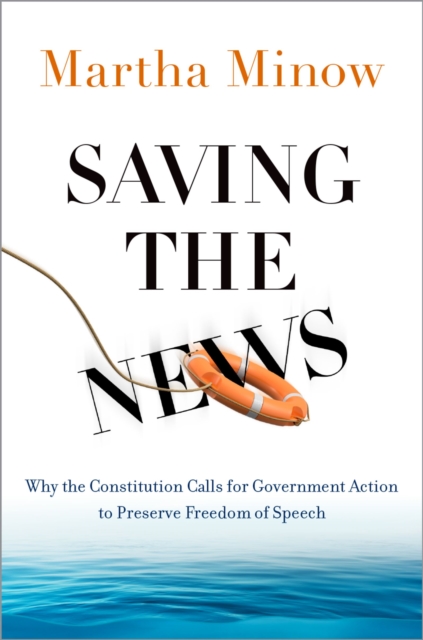
A powerful analysis of why lies and falsehoods spread so rapidly now, and how we can reform our laws and policies regarding speech to alleviate the problem.
A powerful analysis of why lies and falsehoods spread so rapidly now, and how we can reform our laws and policies regarding speech to alleviate the problem.
Focusing on an oft-neglected geographical region of study, this book critically analyses the state of journalism in the European South and considers challenges that may indicate a profession under duress.
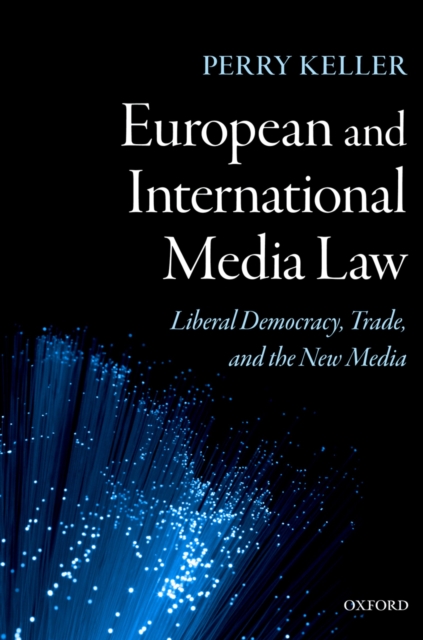
Over the past half century, western democracies have lead efforts to entrench the economic and political values of liberal democracy into the foundations of European and international public order.
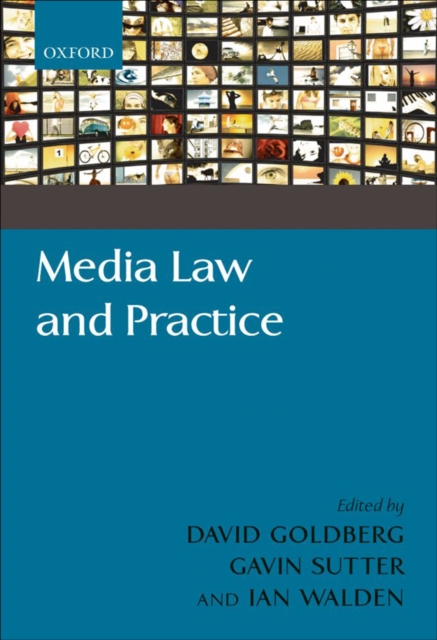
This book is a reference guide for practitioners to the major legal and regulatory issues in the field, but could also be used as a media law textbook for a course of academic study.
On the lapse of the Licensing Act in 1695, Thomas Macaulay wrote in his History of England, 'English literature was emancipated, and emancipated for ever, from the control of the government'.
On the lapse of the Licensing Act in 1695, Thomas Macaulay wrote in his History of England, 'English literature was emancipated, and emancipated for ever, from the control of the government'.
Now in its second edition, this work contains a collection of sample agreements, presenting annotated contracts from the digital media sector in typical formats used by the industry.
Now in its second edition, this work contains a collection of sample agreements, presenting annotated contracts from the digital media sector in typical formats used by the industry.
Over the past half century, western democracies have lead efforts to entrench the economic and political values of liberal democracy into the foundations of European and international public order.
The Defamation Act constitutes a significant overhaul of UK defamation legislation, which follows years of concern about the detrimental effects that preceeding libel laws had on freedom of expression, and the extent to which the jurisdiction had become a magnet for libel claimants.
The Defamation Act constitutes a significant overhaul of UK defamation legislation, which follows years of concern about the detrimental effects that preceeding libel laws had on freedom of expression, and the extent to which the jurisdiction had become a magnet for libel claimants.
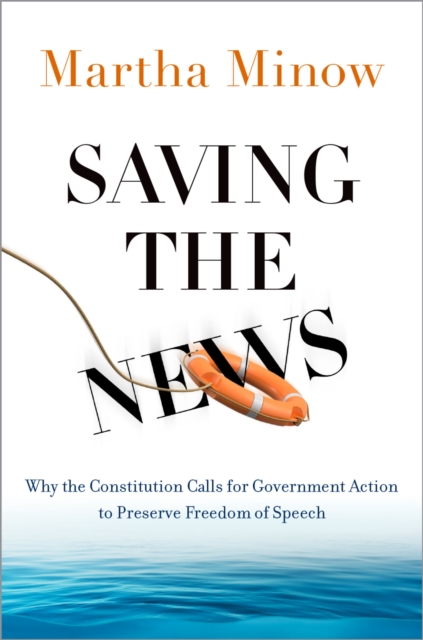
A detailed argument of how our government has interfered in the direction of America's media landscape that traces major transformations in media since the printing press and charts a path for reform.
A detailed argument of how our government has interfered in the direction of America's media landscape that traces major transformations in media since the printing press and charts a path for reform.
Although girls and women account for approximately 40 percent of all athletes in the United States, they receive only 4 percent of the total sport media coverage.
Although girls and women account for approximately 40 percent of all athletes in the United States, they receive only 4 percent of the total sport media coverage.
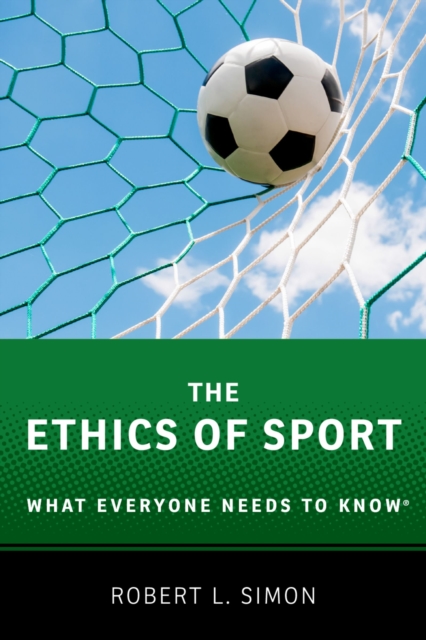
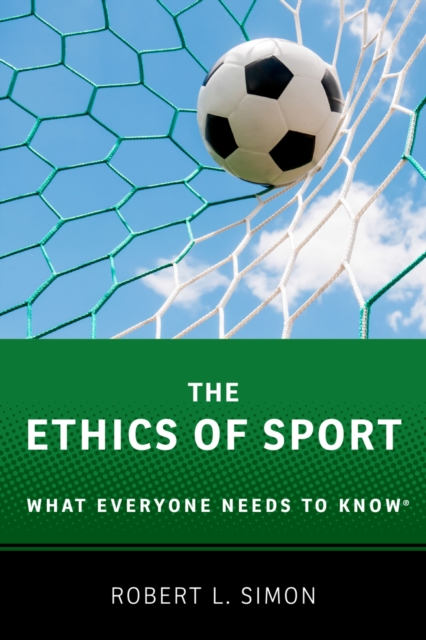
We encourage children to play sports from an early age in order to instill in them such virtues as teamwork, perseverance, respect, fairness, and discipline, but, as perennial scandals in the headlines show us, sports also give rise to thorny ethical problems.
We encourage children to play sports from an early age in order to instill in them such virtues as teamwork, perseverance, respect, fairness, and discipline, but, as perennial scandals in the headlines show us, sports also give rise to thorny ethical problems.