Traditionally, the public sector has been responsible for the provision of all public goods necessary to support sustainable urban development, including public infrastructure such as roads, parks, social facilities, climate mitigation and adaptation, and affordable housing.
Traditionally, the public sector has been responsible for the provision of all public goods necessary to support sustainable urban development, including public infrastructure such as roads, parks, social facilities, climate mitigation and adaptation, and affordable housing.
Originally published in 1985, Land Rent, Housing and Urban Planning looks at the crucial social relationships associated with land ownership, and how these have played a crucial role in the economic development of many societies.
Originally published in 1985, Land Rent, Housing and Urban Planning looks at the crucial social relationships associated with land ownership, and how these have played a crucial role in the economic development of many societies.
This book forms part of a unique, highly practical and time-saving three volume presentation of the Building Regulations, each book covering all the regulations relating to specific building usage.
This book forms part of a unique, highly practical and time-saving three volume presentation of the Building Regulations, each book covering all the regulations relating to specific building usage.
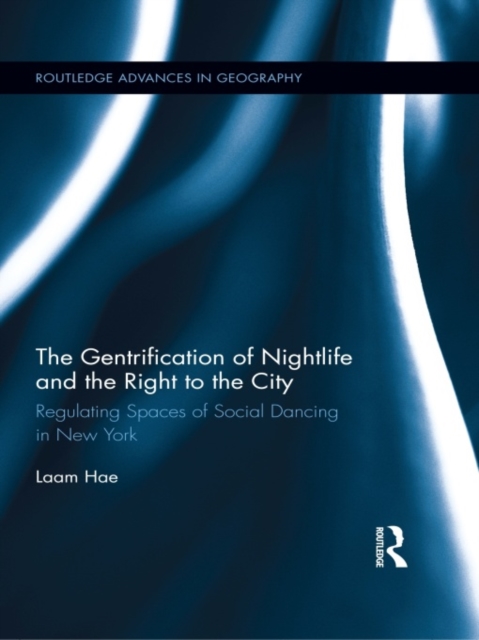
In The Gentrification of Nightlife and the Right to the City, Hae explores how nightlife in New York City, long associated with various subcultures of social dancing, has been recently transformed as the city has undergone the gentrification of its space and the post-industrialization of its economy and society.
In The Gentrification of Nightlife and the Right to the City, Hae explores how nightlife in New York City, long associated with various subcultures of social dancing, has been recently transformed as the city has undergone the gentrification of its space and the post-industrialization of its economy and society.
Tracing how codes arose when they did, and how they were adapted over time, the authors examine the increasing influence of regulatory codes over urban design and planning in the past century.
Tracing how codes arose when they did, and how they were adapted over time, the authors examine the increasing influence of regulatory codes over urban design and planning in the past century.
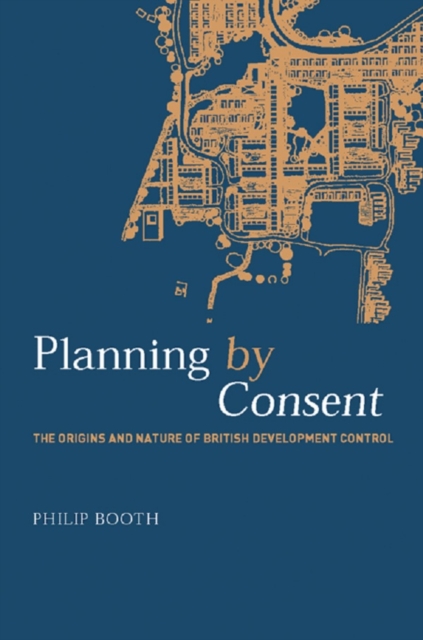
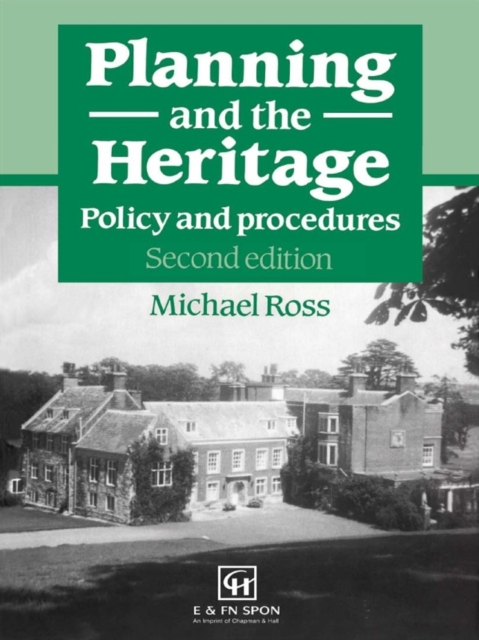
**Please note this is an unedited paperback reprint of the hardback, originally published in 2003**The British system of universal development control celebrated its 50th anniversary in 1997.
**Please note this is an unedited paperback reprint of the hardback, originally published in 2003**The British system of universal development control celebrated its 50th anniversary in 1997.
An insight into the changing nature of the industrial and business space property market and how business space development schemes can be initiated and implemented to revitalise urban areas.
An insight into the changing nature of the industrial and business space property market and how business space development schemes can be initiated and implemented to revitalise urban areas.
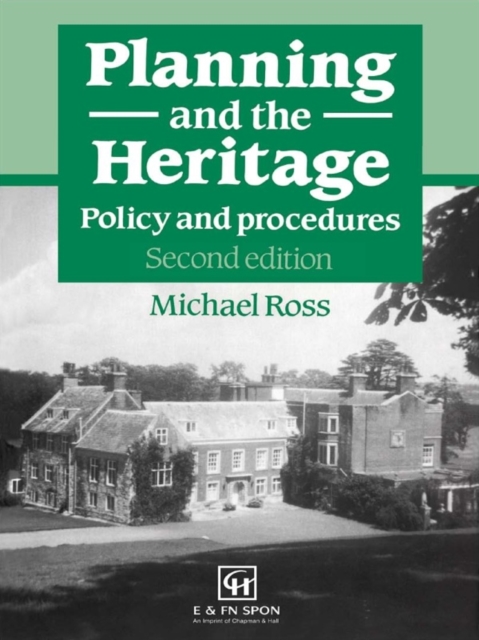
This book provides valuable guidance and insight into the key features of the town and country planning system and the process of obtaining planning permission for development of land.
This book provides valuable guidance and insight into the key features of the town and country planning system and the process of obtaining planning permission for development of land.
'Wayleave' is an archaic term from the nineteenth century defined as 'a privilege enabling a person to cross another person's land with infrastructure and with goods and chattels'.
'Wayleave' is an archaic term from the nineteenth century defined as 'a privilege enabling a person to cross another person's land with infrastructure and with goods and chattels'.
In countries such as the UK, the energy used in constructing, occupying and operating buildings represents approximately fifty percent of greenhouse gas emissions.
In countries such as the UK, the energy used in constructing, occupying and operating buildings represents approximately fifty percent of greenhouse gas emissions.
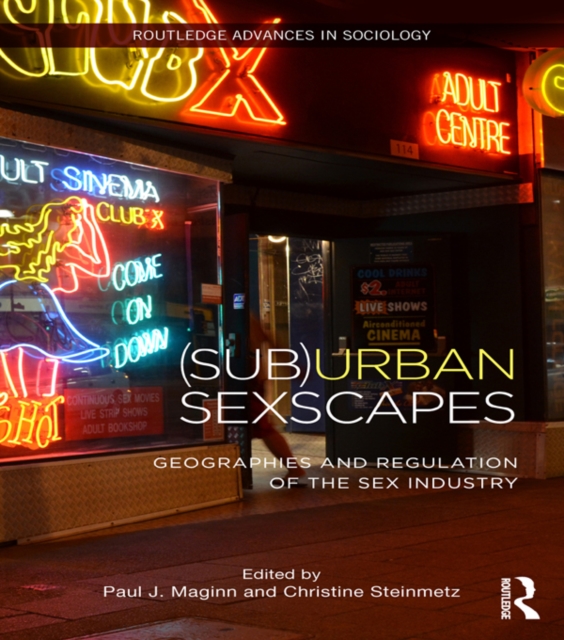
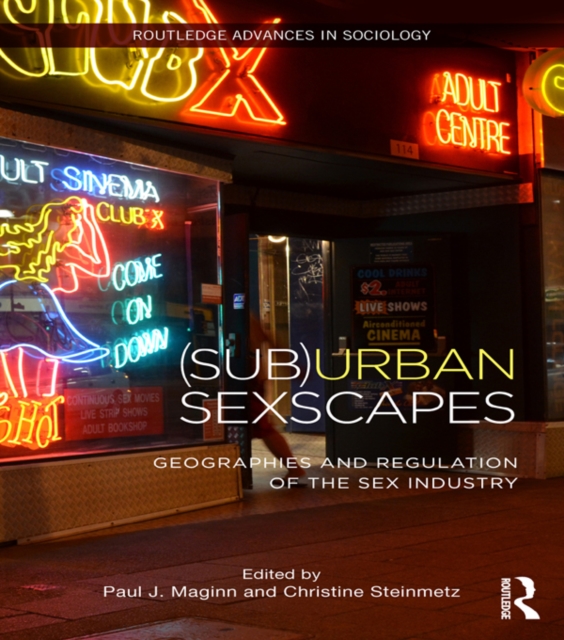
(Sub)Urban Sexscapes brings together a collection of theoretically-informed and empirically rich case studies from internationally renowned and emerging scholars highlighting the contemporary and historical geographies and regulation of the commercial sex industry.
(Sub)Urban Sexscapes brings together a collection of theoretically-informed and empirically rich case studies from internationally renowned and emerging scholars highlighting the contemporary and historical geographies and regulation of the commercial sex industry.
This innovative and pioneering new book establishes links between crime reduction and the law, uniquely offering a detailed examination of how specific legislation and performance targets aid or undermine attempts at crime reduction.
This innovative and pioneering new book establishes links between crime reduction and the law, uniquely offering a detailed examination of how specific legislation and performance targets aid or undermine attempts at crime reduction.
Spatial Planning Systems of Britain and France brings together a wide selection of comparative essays to highlight the fundamental similarities and differences between the spatial planning in Great Britain and France: two countries that are near neighbours and yet have developed very different modes of planning in terms of their structure, practical application and underlying philosophies.
Spatial Planning Systems of Britain and France brings together a wide selection of comparative essays to highlight the fundamental similarities and differences between the spatial planning in Great Britain and France: two countries that are near neighbours and yet have developed very different modes of planning in terms of their structure, practical application and underlying philosophies.
This book places Australian conditions and urban planning centrally within comparative analysis of planning systems and cultures around the world to address issues including urban governance, climate change, transportation planning, regional development and migration planning.