In this book, Benjamin Farrand employs an interdisciplinary approach that combines legal analysis with political theory to explore the development of copyright law in the EU.
In this book, Benjamin Farrand employs an interdisciplinary approach that combines legal analysis with political theory to explore the development of copyright law in the EU.
This book explores what the American Civil Liberties Union calls the "e;third era"e; in cyberspace, in which filters "e;fundamentally alter the architectural structure of the Internet, with significant implications for free speech.
This book explores what the American Civil Liberties Union calls the "e;third era"e; in cyberspace, in which filters "e;fundamentally alter the architectural structure of the Internet, with significant implications for free speech.
Written by a team of legal experts on copyright, this user-friendly, comprehensive guide is the essential reference tool for everyone in the world of museums and galleries whose work brings them into contact with copyright-related questions.
Written by a team of legal experts on copyright, this user-friendly, comprehensive guide is the essential reference tool for everyone in the world of museums and galleries whose work brings them into contact with copyright-related questions.
This clearly written and well-focused volume combines concise decisions of the primary areas of communication law with the foundational case decisions in those domains.
This clearly written and well-focused volume combines concise decisions of the primary areas of communication law with the foundational case decisions in those domains.
This book examines how debates over copyright law in the United States during the nineteenth century, particularly over the lack of an international copyright law, intersected with the business practices and political and artistic beliefs of American authors.
This book examines how debates over copyright law in the United States during the nineteenth century, particularly over the lack of an international copyright law, intersected with the business practices and political and artistic beliefs of American authors.
Providing practical and theoretical resources on media law and ethics for the United Kingdom and United States of America and referencing other legal jurisdictions such as France, Japan, India, China and Saudi Arabia, Comparative Media Law and Ethics is suitable for upper undergraduate and postgraduate study and for professionals in the media who need to work internationally.
Providing practical and theoretical resources on media law and ethics for the United Kingdom and United States of America and referencing other legal jurisdictions such as France, Japan, India, China and Saudi Arabia, Comparative Media Law and Ethics is suitable for upper undergraduate and postgraduate study and for professionals in the media who need to work internationally.
This book examines the relationship between the legal extension of copyright duration as an enduring means of copyright protection and the growth of the UK book publishing industry as a typical creative industry reliant on copyright.
This book examines the relationship between the legal extension of copyright duration as an enduring means of copyright protection and the growth of the UK book publishing industry as a typical creative industry reliant on copyright.
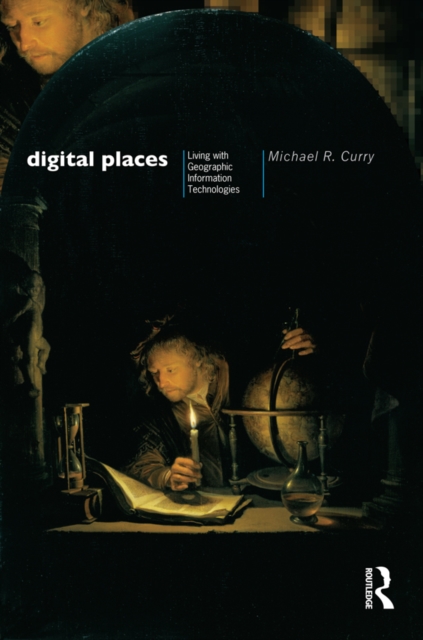
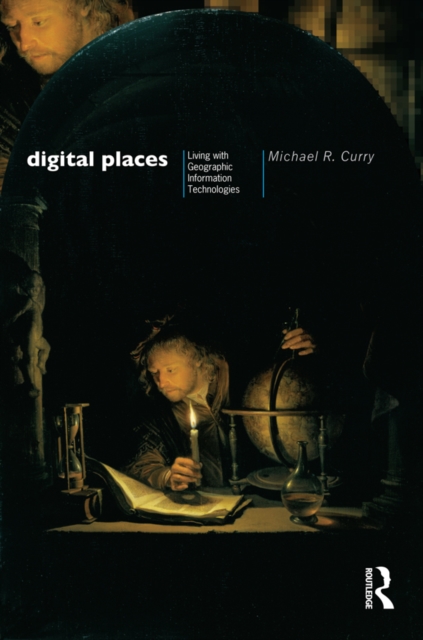
By offering an understanding of Geographic Information Systems within the social, economic, legal, political and ethical contexts within which they exist, the author shows that there are substantial limits to their ability to represent the very objects and relationships, people and places, that many believe to be most important.
By offering an understanding of Geographic Information Systems within the social, economic, legal, political and ethical contexts within which they exist, the author shows that there are substantial limits to their ability to represent the very objects and relationships, people and places, that many believe to be most important.
This is a succint and well-written book introducing a truly interdisciplinary approach to the study of copyright and related issues in contemporary popular culture in relation to the current development of Asian cinema, and questions how copyright is appropriated to regulate culture.
This is a succint and well-written book introducing a truly interdisciplinary approach to the study of copyright and related issues in contemporary popular culture in relation to the current development of Asian cinema, and questions how copyright is appropriated to regulate culture.
Readings in Law and Popular Culture is the first book to bring together high quality research, with an emphasis on context, from key researchers working at the cutting-edge of both law and cultural disciplines.
Readings in Law and Popular Culture is the first book to bring together high quality research, with an emphasis on context, from key researchers working at the cutting-edge of both law and cultural disciplines.
Copyright laws, along with other Intellectual Property Rights (IPRs), constitute the legal foundation for the "e;global knowledge-based economy"e; and copyright law now plays an increasingly important role in the creation of business fortunes, the access to and dissemination of knowledge, and human development in general.
Copyright laws, along with other Intellectual Property Rights (IPRs), constitute the legal foundation for the "e;global knowledge-based economy"e; and copyright law now plays an increasingly important role in the creation of business fortunes, the access to and dissemination of knowledge, and human development in general.
Positioning cultural democracy in a historical context and in a context of adjacent movements such as the creative commons, open source movement, and maker movement, this book goes back to first principles and asks what personhood means in the twenty-first century, what cultural democracy means, why we should want it, and how we can work towards it.
Positioning cultural democracy in a historical context and in a context of adjacent movements such as the creative commons, open source movement, and maker movement, this book goes back to first principles and asks what personhood means in the twenty-first century, what cultural democracy means, why we should want it, and how we can work towards it.