Companies, lawyers, privacy officers, compliance managers, as well as human resources, marketing and IT professionals are increasingly facing privacy issues.
Companies, lawyers, privacy officers, compliance managers, as well as human resources, marketing and IT professionals are increasingly facing privacy issues.
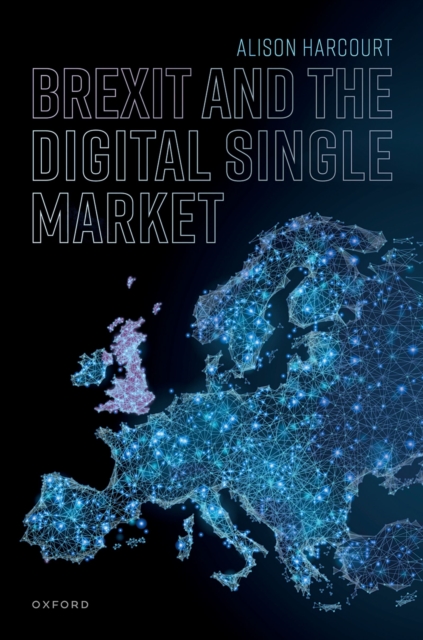
The Digital Single Market (DSM) 2014-19 was the largest component of the European Union's Single Market programme, comprising numerous Directives, Regulations, and instruments aimed at facilitating cross-border digital services.
The Digital Single Market (DSM) 2014-19 was the largest component of the European Union's Single Market programme, comprising numerous Directives, Regulations, and instruments aimed at facilitating cross-border digital services.
As artificial intelligence and big data analytics reshape economies and societies, the promise of innovation is increasingly shadowed by concerns over inclusion, equity, and global justice.
Governing Cross-Border Data Flows explores how the European Union can simultaneously reconcile and pursue two important legal and policy objectives, namely: protecting fundamental rights guaranteed under the EU Charter of Fundamental Rights (EU Charter) concerning privacy and personal data, while also maintaining and developing a binding, rules-based global trading system to ensure appropriate access to foreign digital markets for EU businesses.
The Law Enforcement Directive 2016/680 (LED) is the first legal instrument in the EU which comprehensively regulates the use of personal data by law enforcement authorities, creating a minimum standard of privacy protection across the EU.
Governing Cross-Border Data Flows explores how the European Union can simultaneously reconcile and pursue two important legal and policy objectives, namely: protecting fundamental rights guaranteed under the EU Charter of Fundamental Rights (EU Charter) concerning privacy and personal data, while also maintaining and developing a binding, rules-based global trading system to ensure appropriate access to foreign digital markets for EU businesses.
The Law Enforcement Directive 2016/680 (LED) is the first legal instrument in the EU which comprehensively regulates the use of personal data by law enforcement authorities, creating a minimum standard of privacy protection across the EU.
Data at the Boundaries of European Law represents an original and engaged piece of scholarship in an important and fast developing field of policy and research.
Data at the Boundaries of European Law represents an original and engaged piece of scholarship in an important and fast developing field of policy and research.
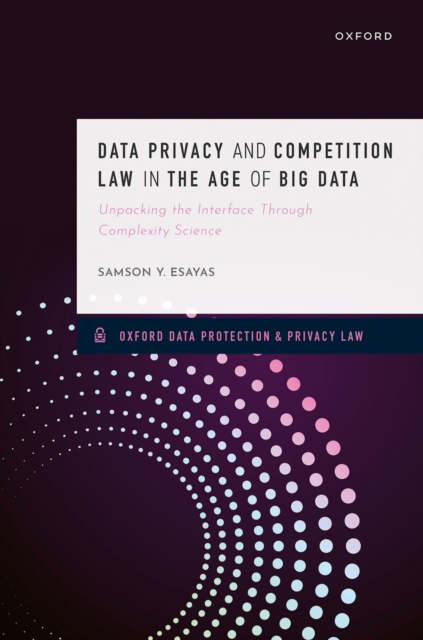
The monetization of personal data has become an increasingly common business practice, igniting global debate on the interface between data privacy law and competition law.
The monetization of personal data has become an increasingly common business practice, igniting global debate on the interface between data privacy law and competition law.
Breaking Away sounds a warning call alerting readers that their privacy and autonomy concerns are indeed warranted, and the remedies deserve far greater attention than they have received from our leading policymakers and experts to date.
Breaking Away sounds a warning call alerting readers that their privacy and autonomy concerns are indeed warranted, and the remedies deserve far greater attention than they have received from our leading policymakers and experts to date.
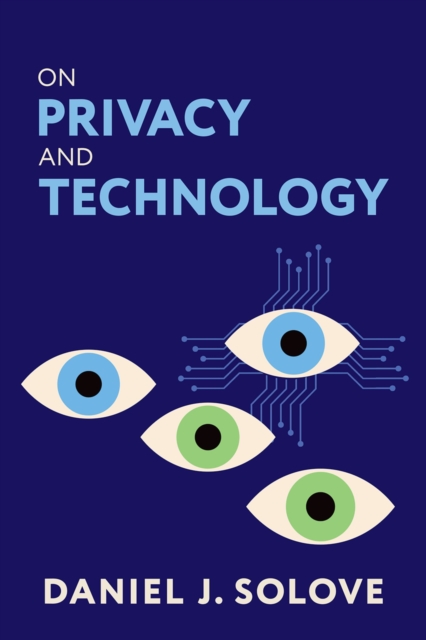
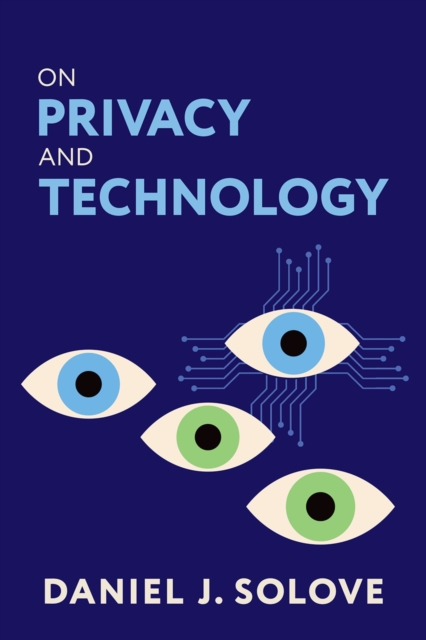
Succinct and eloquent, On Privacy and Technology is an essential primer on how to face the threats to privacy in today's age of digital technologies and AI.
Succinct and eloquent, On Privacy and Technology is an essential primer on how to face the threats to privacy in today's age of digital technologies and AI.
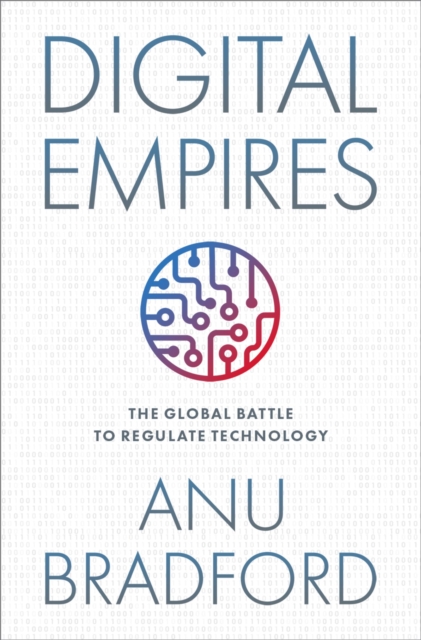
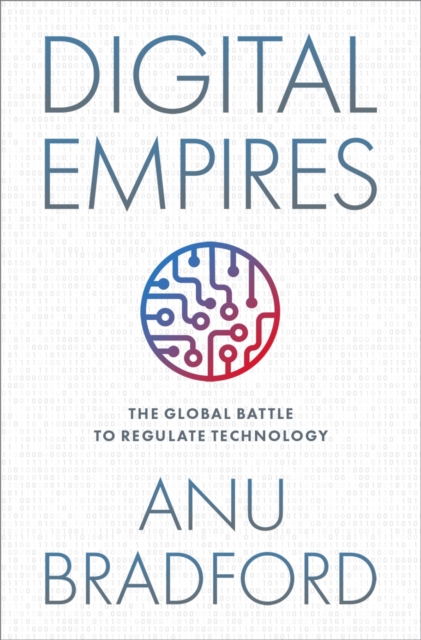
Financial Times Best Books of 2023 in Economics The global battle among the three dominant digital powers the United States, China, and the European Union is intensifying.
Financial Times Best Books of 2023 in Economics The global battle among the three dominant digital powers the United States, China, and the European Union is intensifying.
El big data consiste en el procesamiento de grandes volumenes de informacion que puede provenir de multiples fuentes y estar en diversos formatos para generar analisis que pueden describir el estado de una organizacion en tiempo real, asi como detectar correlaciones que permitan predecir con cierto grado de certeza una situacion o tendencia incidiendo en la toma de decisiones mediante el procesamiento de informacion historica.