As the development of medicines has become more globalized, the geographic variations in the efficacy and safety of pharmaceutical products need to be addressed.
In clinical trial practice, controversial statistical issues inevitably occur regardless of the compliance with good statistical practice and good clinical practice.
Recent debate over healthcare and its spiraling costs has brought medical error into the spotlight as an indicator of everything that is ineffective, inhumane, and wasteful about modern medicine.
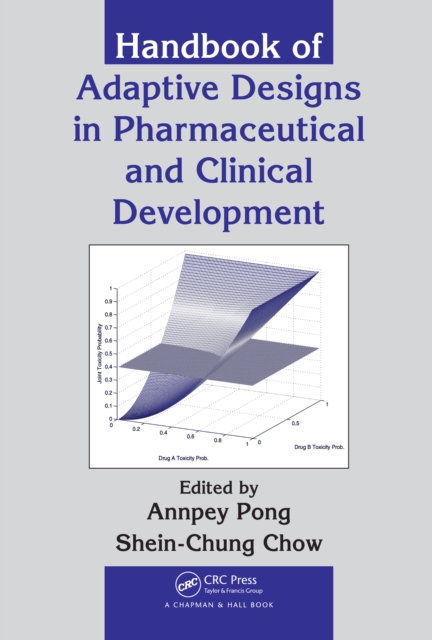
Adaptive clinical trial designs, unlike traditional fixed clinical trial designs, enable modification of studies in response to the data generated in the course of the trial.
Capturing the growth of the global medical device market in recent years, this practical new guide is essential for all who are responsible for ensuring safety in the use and manufacture of medical devices.
Medicare fraud is big business, but while only a few profit from intentional malfeasance, the Centers for Medicare and Medicaid Services is now taking a closer look at everyone.
In response to the US FDA's Critical Path Initiative, innovative adaptive designs are being used more and more in clinical trials due to their flexibility and efficiency, especially during early phase development.
Nonpharmacological treatments include a wide variety of treatments such as surgery, technical procedures, implantable and non-implantable devices, rehabilitation, psychotherapy, and behavioral interventions.
While the vast majority of providers never intend to commit fraud or file false claims, complex procedures, changing regulations, and evolving technology make it nearly impossible to avoid billing errors.
This three-volume set of Pharmaceutical Dosage Forms: Parenteral Medications is an authoritative, comprehensive reference work on the formulation and manufacture of parenteral dosage forms, effectively balancing theoretical considerations with the practical aspects of their development.
In this era of increased pharmaceutical industry competition, success for generic drug companies is dependent on their ability to manufacture therapeutic-equivalent drug products in an economical and timely manner, while also being cognizant of patent infringement and other legal and regulatory concerns.
Thoroughly revised to include the latest industry developments, the Second Edition presents a comprehensive overview of computer validation and verification principles and how to put them into practice.
Examines harmonization of the US Federal Food, Drug, and Cosmetic Act with international regulations as they apply to human drug and device development, research, manufacturing, and marketing.
The field of combination product development (products born of the integration of medical devices, biologics, and drugs) is so new that, while literature abounds on each part individually, there are very few publications, including FDA documents, available concerning the unique challenges posed by this nascent but fast-growing area.
It is estimated that 80 to 90% of drugs under development never make it to the marketplace due to insufficient clinical activity, unacceptable toxicity, rapid appearance of drug resistance, or other factors that should be, at least partially, predictable from preclinical testing.
From sexual abuse and fetishism to necrophilia and sadomasochism, this unique volume identifies fourteen classifications of unusual sexual pathologies.
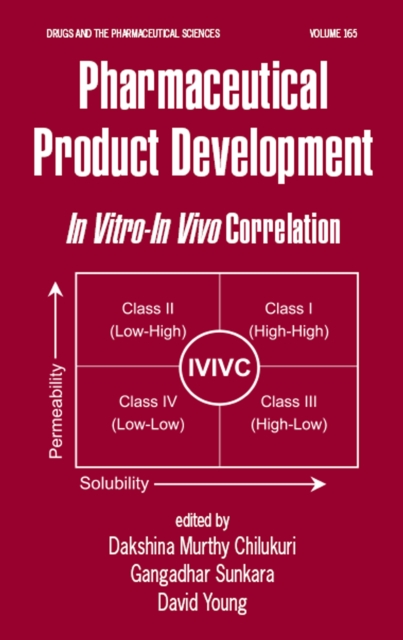
The ultimate goal of drug product development is to design a system that maximizes the therapeutic potential of the drug substance and facilitates its access to patients.
During the last two decades, the pharmaceutical industry has been under pressure to reduce development costs and the time needed to bring drugs to market in order to maximize return on investment and bring treatments to patients sooner.
Specifically designed to address the needs of all specialists involved in the care of chronic pain patients, this source clarifies the ethical and legal issues associated with the diagnosis, assessment, and care of patients suffering from long-term pain.
To facilitate the development of novel drug delivery systems and biotechnology-oriented drugs, the need for new, yet to be developed, and approved excipients continues to increase.
This book reviews the history, regulatory status, pharmacopeial specifications, and harmonization of pharmaceutical excipients in the United States and Europe, and provides a comprehensive understanding of the current scientific basis for safety evaluation and risk assessment.
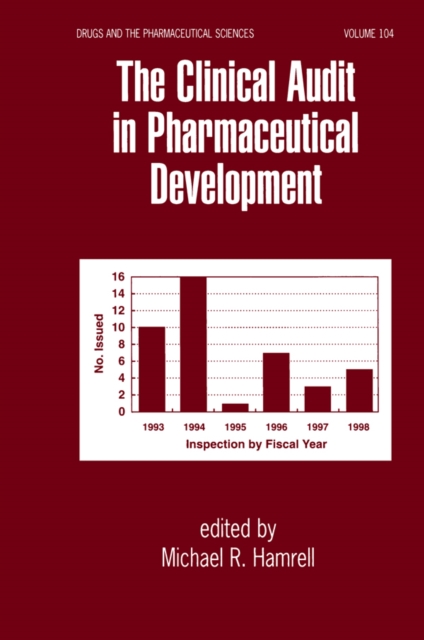
This blue-chip guide adds quality to the pharmaceutical clinical development process by detailing the need for, and stressing the importance of, an independent audit of clinical data to protect participants and validate study results.
Enhanced knowledge of the nature and causes of mental disorder have led increasingly to a need for the recruitment of 'cognitively vulnerable' participants in biomedical research.
Autonomy and Human Rights in Healthcare: An International Perspective is a group of essays published in memory of David Thomasma, one of the leading humanists in the field of bioethics during the twentieth century.
The Dutch experience has influenced the debate on euthanasia and death with dignity around the globe, especially with regard to whether physician-assisted suicide and euthanasia should be legitimized or legalized.
General Practice Today explores the GP consultation in the context of external 'stressors' and 'helpers' that doctors use to make best clinical decisions.
General Practice Today explores the GP consultation in the context of external 'stressors' and 'helpers' that doctors use to make best clinical decisions.