This edited collection provides a forum for rigorous analysis of the necessity for both legal and social change with regard to regulation of same-sex relationships and rainbow families, the status of civil partnership as a concept and the lived reality of equality for LGBTQ+ persons.
With cities increasingly following rigid rules for designing out crime and producing spaces under surveillance, this book asks how information shapes bodies, space, and, ultimately, policymaking.
This collection seeks to expand the limits of current debates about urban commoning practices that imply a radical will to establish collaborative and solidarity networks based on anti-capitalist principles of economics, ecology and ethics.
This book contributes new theoretical insight and in-depth empirical analysis about the relationship between transnational legality, state change and the globalisation of markets.
This book addresses the relevance of the state of exception for the analysis of law, while reflecting on the deeper symbolic and jurisprudential significance of the coalescence between law and force.
The growth of data-collecting goods and services, such as ehealth and mhealth apps, smart watches, mobile fitness and dieting apps, electronic skin and ingestible tech, combined with recent technological developments such as increased capacity of data storage, artificial intelligence and smart algorithms, has spawned a big data revolution that has reshaped how we understand and approach health data.
This book explores the 'backstage' of transnational legal practice by illuminating the routines and habits that are crucial to the field, yet rarely studied.
This edited volume offers a critical discussion of the trade-offs between transparency and secrecy in the actual political practice of democratic states in Europe.
This book explores the 'backstage' of transnational legal practice by illuminating the routines and habits that are crucial to the field, yet rarely studied.
This edited volume offers a critical discussion of the trade-offs between transparency and secrecy in the actual political practice of democratic states in Europe.
This book explores the concept of punishment: its meaning and significance, not least to those subject to it; its social, political and emotional contexts; its role in the criminal justice system; and the difficulties of bringing punishment to an end.
This book explores the concept of punishment: its meaning and significance, not least to those subject to it; its social, political and emotional contexts; its role in the criminal justice system; and the difficulties of bringing punishment to an end.
Criminal defence at the investigative stage has attracted growing attention due to the shifting focus of the criminal process onto pre-trial stages, and the recent European regulations adopted in this area.
How as a society can we find ways of ensuring the people who are the most vulnerable or have little voice can avail themselves of the protection in law to improve their social, cultural, health and economic outcomes as befits civilised society?
Criminal defence at the investigative stage has attracted growing attention due to the shifting focus of the criminal process onto pre-trial stages, and the recent European regulations adopted in this area.
This collection interrogates relationships between court architecture and social justice, from consultation and design to the impact of material (and immaterial) forms on court users, through the lenses of architecture, law, socio-legal studies, criminology, anthropology, and a former senior federal judge.
First published in 2006, this book brings together some of the most innovative and important research on civil rights law and legality, this book draws on narratives of individuals from a variety of contexts to provide a rich and contextualized understanding of what happens when law interacts with other competing systems or forms of social organization.
How as a society can we find ways of ensuring the people who are the most vulnerable or have little voice can avail themselves of the protection in law to improve their social, cultural, health and economic outcomes as befits civilised society?
First published in 2006, this book brings together some of the most innovative and important research on civil rights law and legality, this book draws on narratives of individuals from a variety of contexts to provide a rich and contextualized understanding of what happens when law interacts with other competing systems or forms of social organization.
This book offers a deep dive into the social, political, and economic forces that make white-collar crime and corruption a staple feature of the nightlife economy.
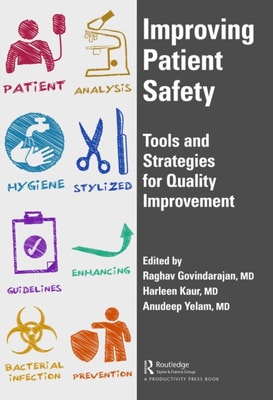
While the investigations and reports which have followed recent health care scandals in the UK have highlighted the very important issue of addressing organizational culture and the need for more effective leadership at every level, patients and their families have struggled to comprehend how such things can occur in a health service that is suppos
This collection interrogates relationships between court architecture and social justice, from consultation and design to the impact of material (and immaterial) forms on court users, through the lenses of architecture, law, socio-legal studies, criminology, anthropology, and a former senior federal judge.
This book offers a deep dive into the social, political, and economic forces that make white-collar crime and corruption a staple feature of the nightlife economy.
The New Urban Agenda (NUA), adopted in 2016 at the United Nations Conference on Housing and Sustainable Urban Development (Habitat III) in Quito, Ecuador, represents a globally shared understanding of the vital link between urbanization and a sustainable future.