Employee Share Schemes provides a comprehensive examination of the taxation, legal and compliance issues concerning the acquisition of shares by employees in their employer company, whether public or private.
The introduction of self-assessment for income tax collection in the late 1990s marked a striking moment of cultural convergence between the UK and the US.
The introduction of self-assessment for income tax collection in the late 1990s marked a striking moment of cultural convergence between the UK and the US.
This book, first published in 1971, presents an analysis of the taxes levied on wealth or capital - death duties, annual wealth taxes and capital gains taxes.
This book, first published in 1971, presents an analysis of the taxes levied on wealth or capital - death duties, annual wealth taxes and capital gains taxes.
Providing a thorough examination of distributive justice, Distributive Justice and Taxation presents and discusses different theories of what constitutes a just society, and how goods should be distributed in such a society.
Providing a thorough examination of distributive justice, Distributive Justice and Taxation presents and discusses different theories of what constitutes a just society, and how goods should be distributed in such a society.
This book presents a selection of essays on public finance, which is concerned with taxation, income maintenance, and social security, with emphasis on the analysis of policy alternatives to improve tax and transfer systems.
This book presents a selection of essays on public finance, which is concerned with taxation, income maintenance, and social security, with emphasis on the analysis of policy alternatives to improve tax and transfer systems.
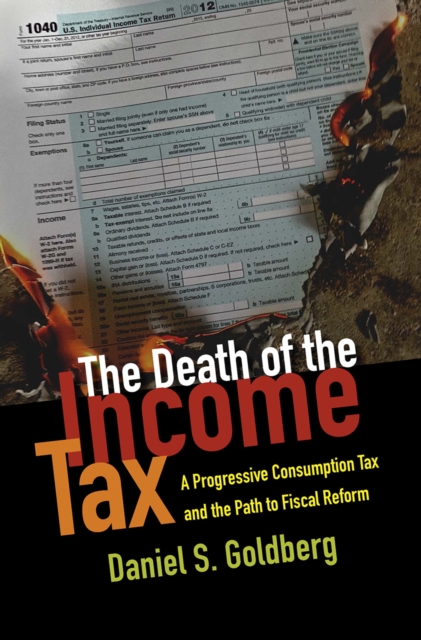
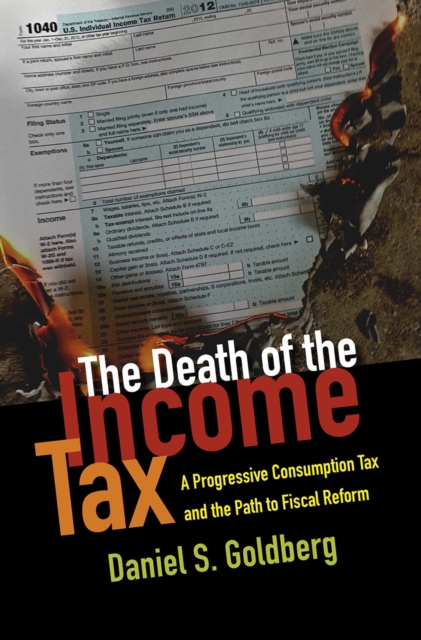
The Death of the Income Tax explains how the current income tax is needlessly complex, contains perverse incentives against saving and investment, fails to use modern technology to ease compliance and collection burdens, and is subject to micromanaging and mismanaging by Congress.
The Death of the Income Tax explains how the current income tax is needlessly complex, contains perverse incentives against saving and investment, fails to use modern technology to ease compliance and collection burdens, and is subject to micromanaging and mismanaging by Congress.
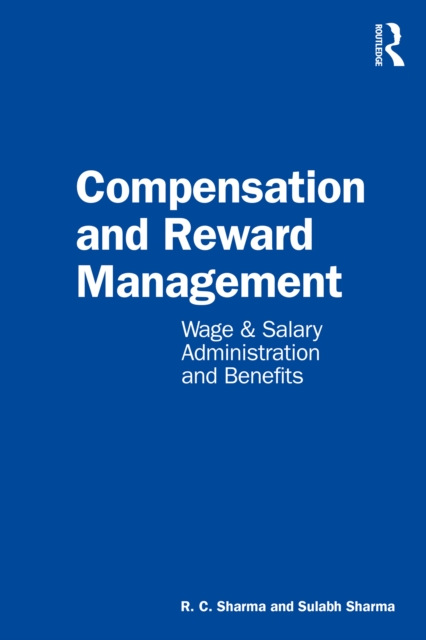
This book presents a comprehensive account of the intricacies related to compensation and reward management in Indian organizations-a vital strategic feature of HR management.