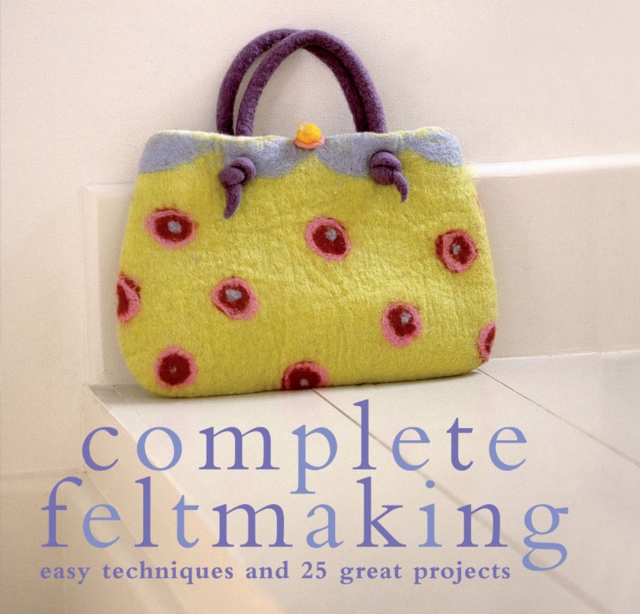
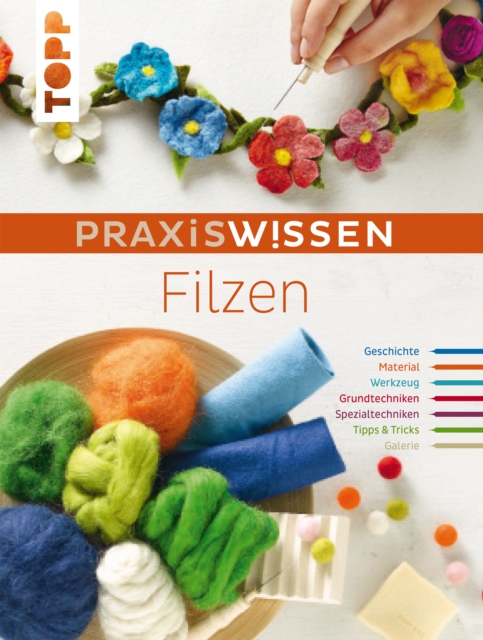
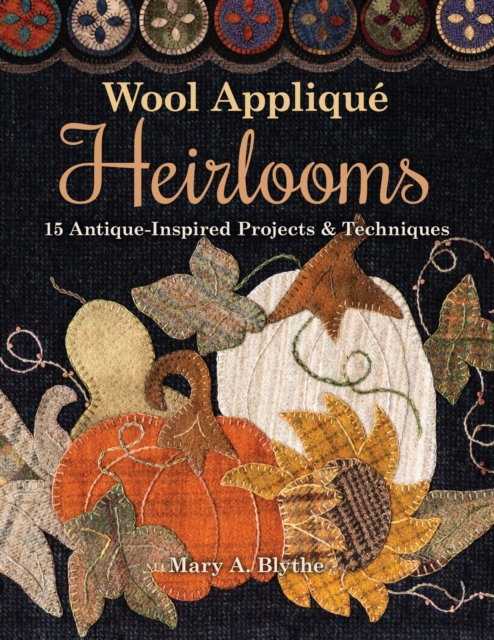
Boasting countless benefits and applications, hand made felt is a chunky,durable and non-fraying fabric that can be used for fashion and home projects.
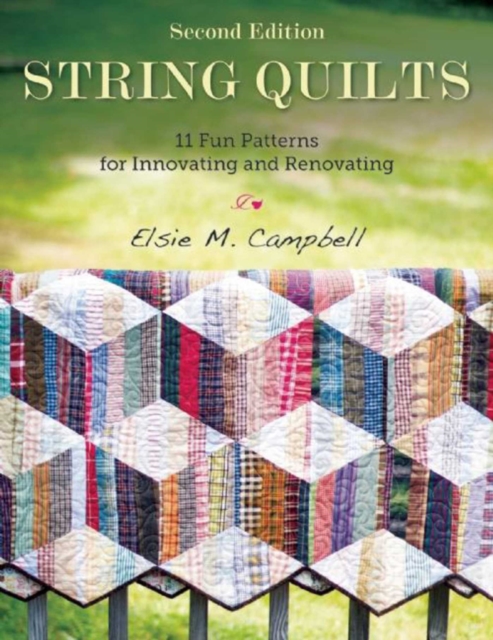
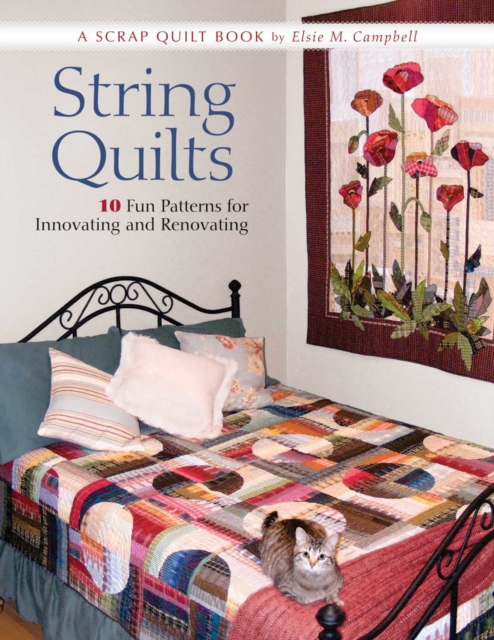
Award-winning quilt maker Elsie Campbell loves to take homemade fabric yardage and turn it into stunning, pieced string quilts, whose leftover yardage can then spawn appliqud sister quilts.
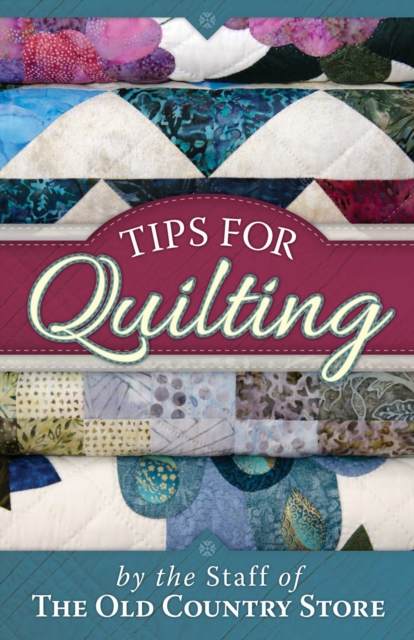
The Gentle Art of Quilt-Making is a charming, inspirational and practical collection of 15 quilts for would-be quilters by leading author Jane Brocket.
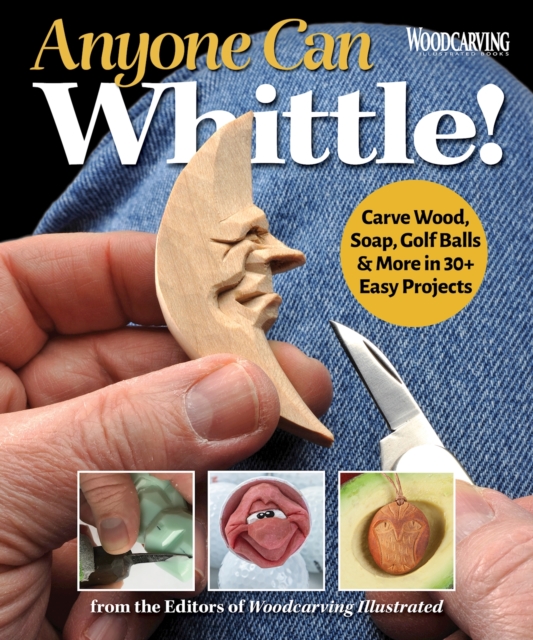
Whittling is more than just a way of busying idle hands it is a pastime for those who love the texture of wood and a way of life for those who feel a special connection between people and trees.
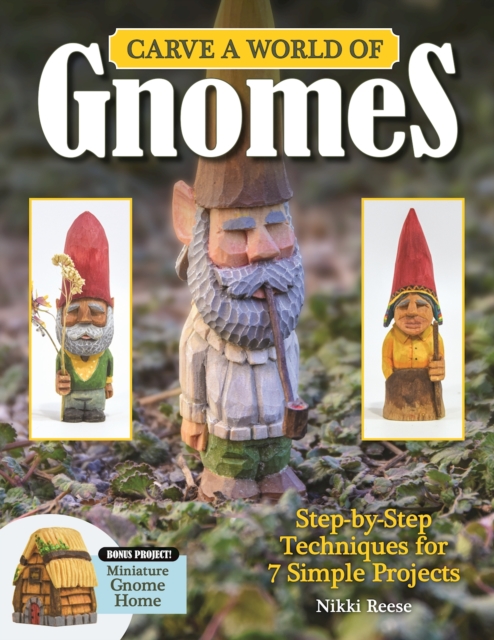
A new twist on one of the most popular carving subjects, Carve a World of Gnomes is an exciting project guide that incorporates international influence!
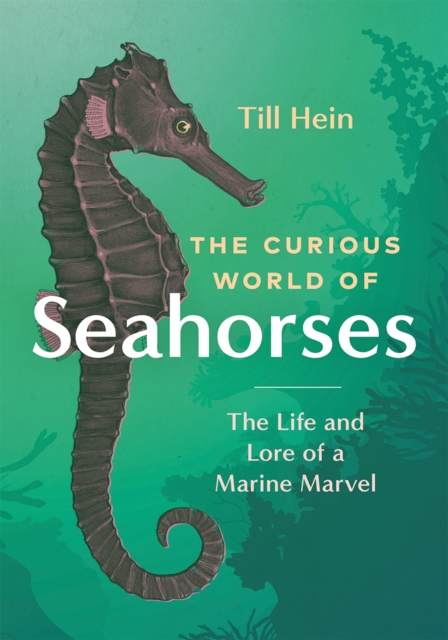
With the whimsy and heart of The Soul of an Octopus and the surprising details of the very best science writing, The Curious World of Seahorses brilliantly captures the oceans most charismatic and mysterious inhabitant.
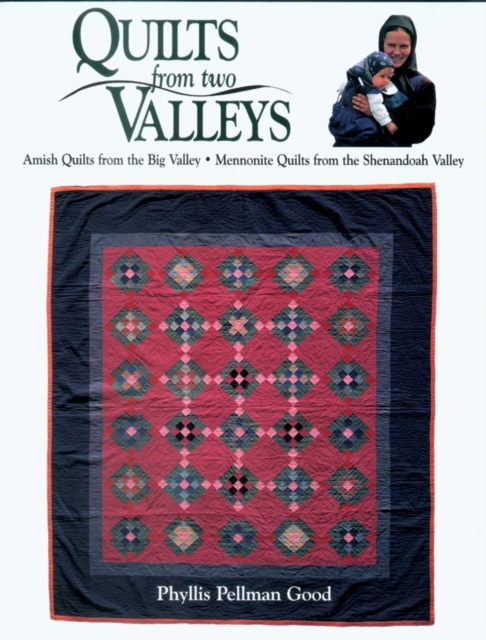
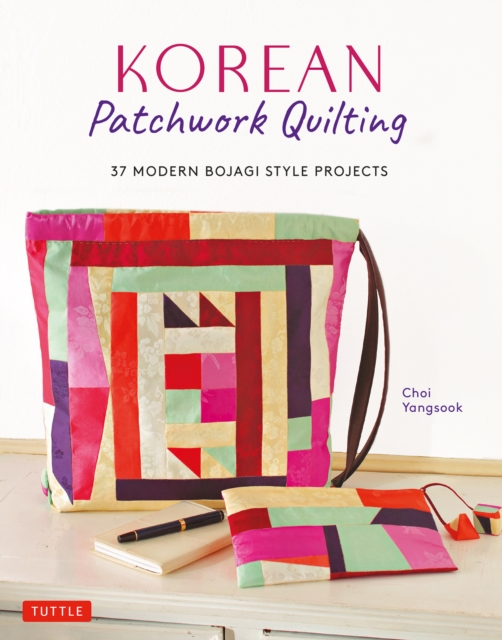
Two hidden valleysone in Pennsylvania, the other in Virginiaheld vibrant communities and quilting traditions during the closing years of the 19th century and the early decades of the 20th century.
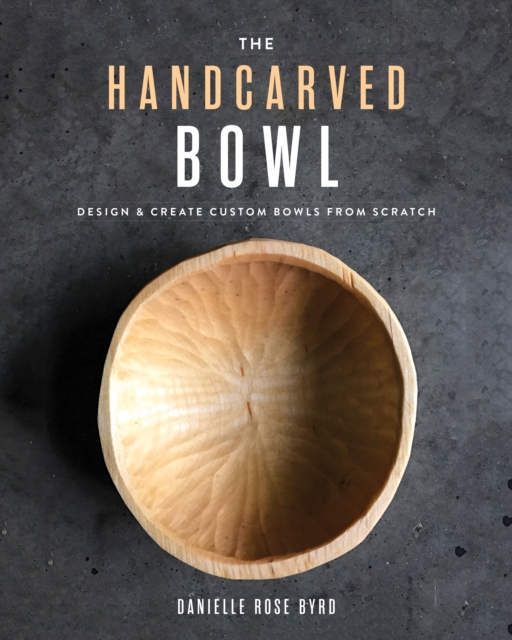
The Handcarved Bowl provides step-by-step photos and directions for every stage of the bowlcarving process that will appeal to everyone from beginning woodworkers to seasoned carvers.
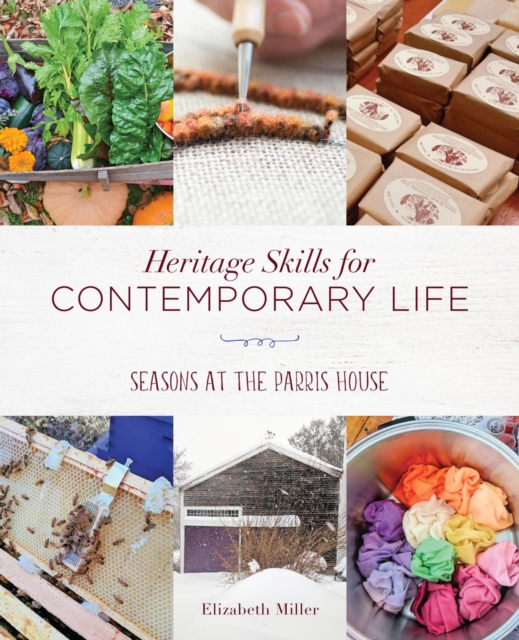
Nearly twenty years ago Beth Miller moved with her husband and four young kids from suburban New Jersey to a 200-year-old Federal period house and barn in rural Maine.
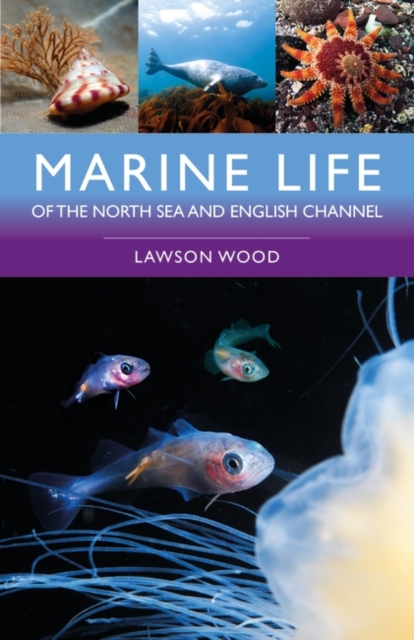
This single-volume resource explores the five major oceans of the world, addressing current issues such as sea rise and climate change and explaining the significance of the oceans from historical, geographic, and cultural perspectives.
Award-winning quilt maker, Elsie Campbell, loves to take homemade fabric yardage and turn it into stunning, pieced, string quilts, whose leftover yardage can then spawn an appliqued "e;sister"e; quilt.
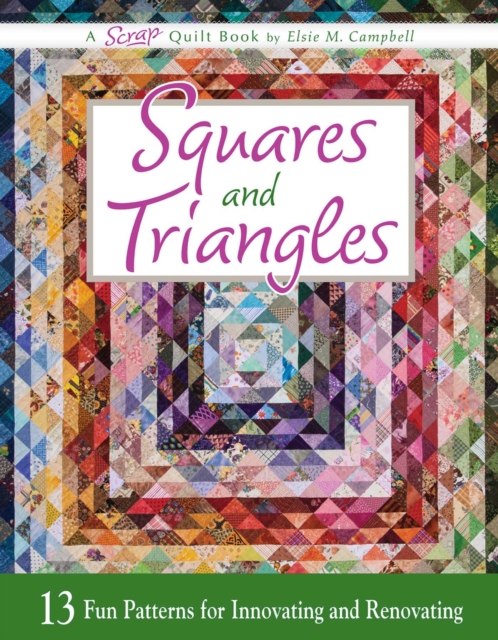
Once again, expert quilt designer Elsie Campbell presents a book of quilt patterns that are one part innovation, one part thrift, and a whole lot of fun!
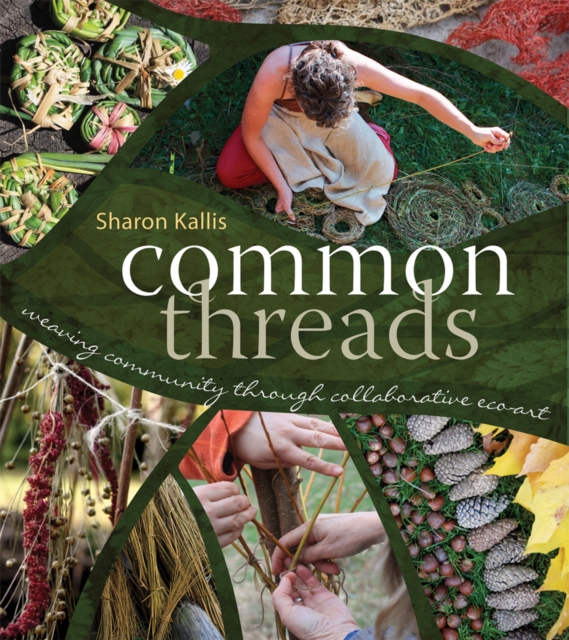
A guide to creating community-based art installations using green waste, invasive species and natural materials Disposing of unwanted natural materials can be expensive and time-consuming, or it can present a tremendous opportunity for creating collaborative eco-art.