Despite the advent and explosion of videogames, boardgames--from fast-paced party games to intensely strategic titles--have in recent years become more numerous and more diverse in terms of genre, ethos and content.
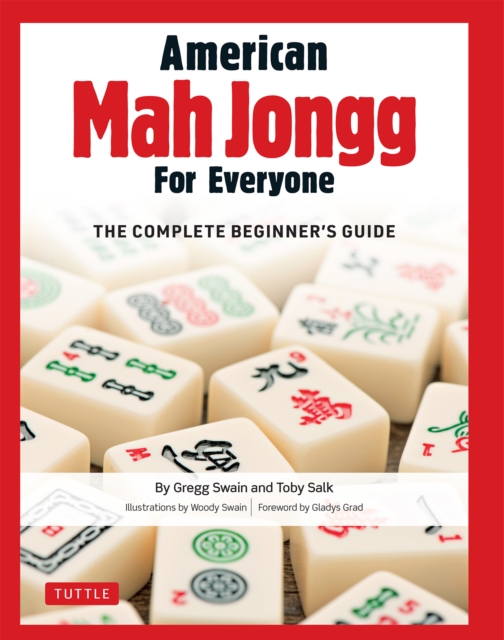
Whether you're an American Mah Jongg newbie or an intermediate player looking to gain an edge over your opponents, American Mah Jongg for Everyone is the perfect book to help you start practicing your game!
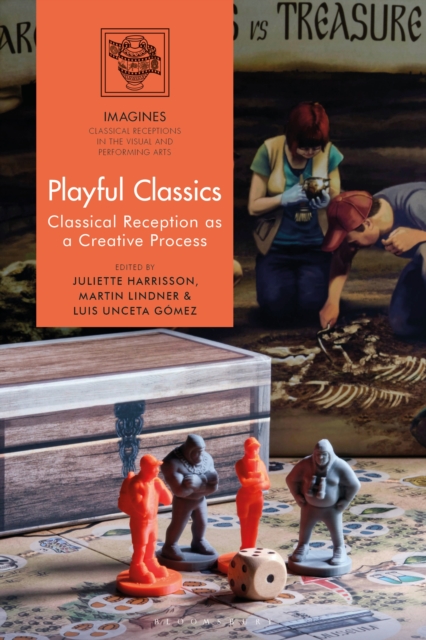
This is the first book to deal exclusively with ludic interactions with classical antiquity an understudied research area within classical reception studies that can shed light on current processes of construction and appropriation of the Greco-Roman world.
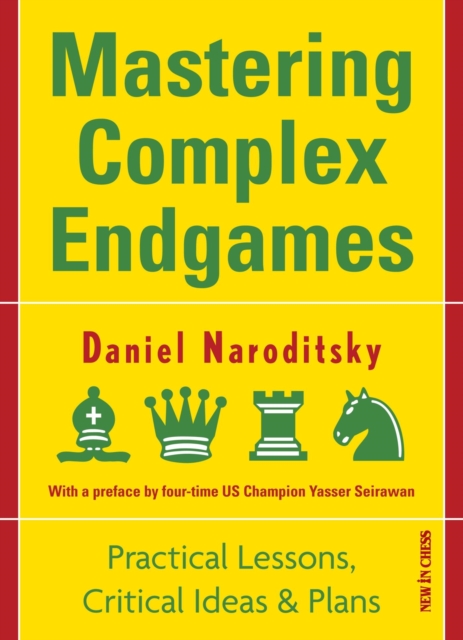
Young Daniel Naroditsky (1995) has picked the most instructive examples of endgames in which you have to use ideas and plans in order to outplay your opponent.
Some board games--like Candy Land, Chutes & Ladders, Clue, Guess Who, The Game of Life, Monopoly, Operation and Payday--have popularity spanning generations.
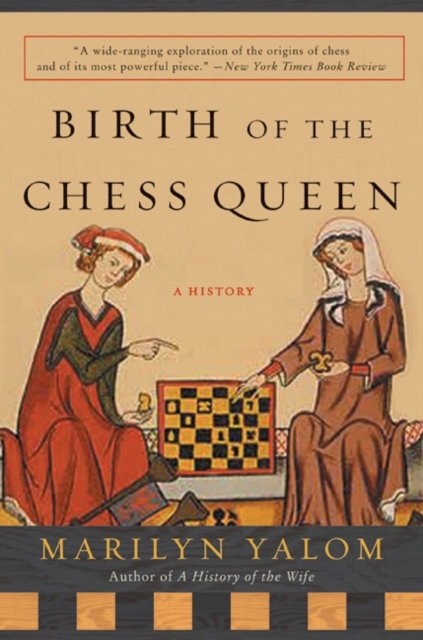
"e;Marilyn Yalom has written the rare book that illuminates something that always has been dimly perceived but never articulated, in this case that that the power of the chess queen reflects the evolution of female power in the western world.
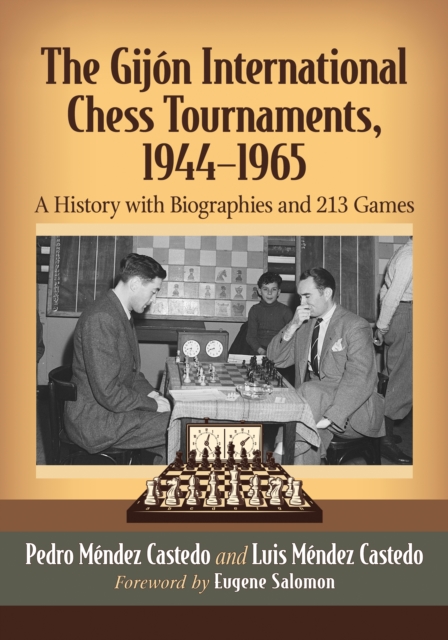
Focusing on the recovery of chess in Spain and Europe after World War II, this book traces the development of the International Chess Tournaments in Gijon from 1944 to 1965.
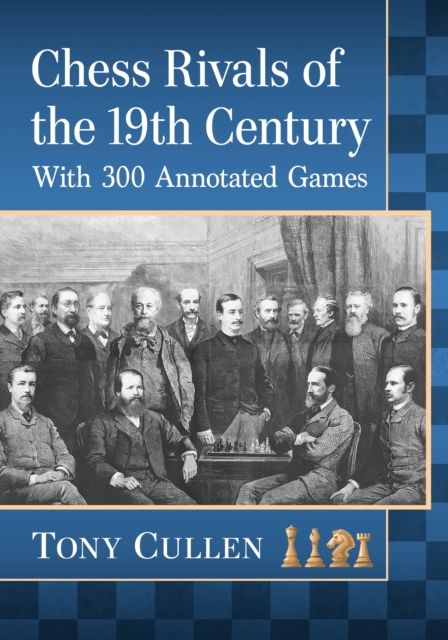
Many historical chess books focus on individual 19th century masters and tournaments yet little is written covering the full scope of competitive chess through the era.
Written by Barry Hymer and Peter Wells, Chess Improvement: It's all in the mindset is an engaging and instructive guide that sets out how the application of growth mindset principles can accelerate chess improvement.