Tantalizing math puzzles and cooking recipes that show how mathematical thinking is like the culinary artsTie on your apron and step into Jim Henle's kitchen as he demonstrates how two equally savory pursuits-cooking and mathematics-have more in common than you realize.
A step-by-step illustrated introduction to the astounding mathematics of symmetryThis lavishly illustrated book provides a hands-on, step-by-step introduction to the intriguing mathematics of symmetry.
The autobiography of the beloved writer who inspired a generation to study math and scienceMartin Gardner wrote the Mathematical Games column for Scientific American for twenty-five years and published more than seventy books on topics as diverse as magic, religion, and Alice in Wonderland.
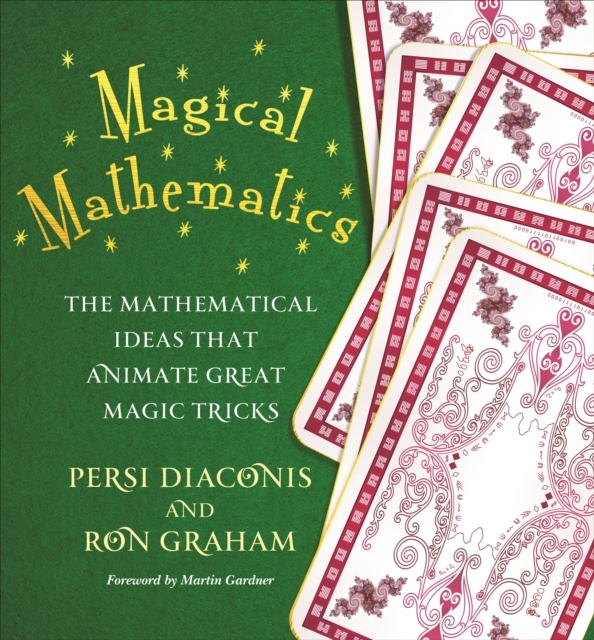
The mathematics behind some of the world's most amazing card tricksMagical Mathematics reveals the secrets of fun-to-perform card tricks-and the profound mathematical ideas behind them-that will astound even the most accomplished magician.
The year's finest mathematical writing from around the worldThis annual anthology brings together the year's finest mathematics writing from around the world-and you don't need to be a mathematician to enjoy the pieces collected here.
The great discovery that no one wanted to make It's the dawn of the Industrial Revolution, and Euclidean geometry has been profoundly influential for centuries.
"e;David Bodycombe has one of the most devious minds I've ever encountered"e; - Victoria Coren Mitchell, author and host of Only Connect"e;The only quiz book where it's mildly disappointing when you know an answer because you don't get the satisfaction of working it out"e; - James Harkin, creator and host of No Such Thing As A FishFrom hit YouTuber Tom Scott and Only Connect question editor David Bodycombe comes a new type of quiz book - but can you outsmart the questions?
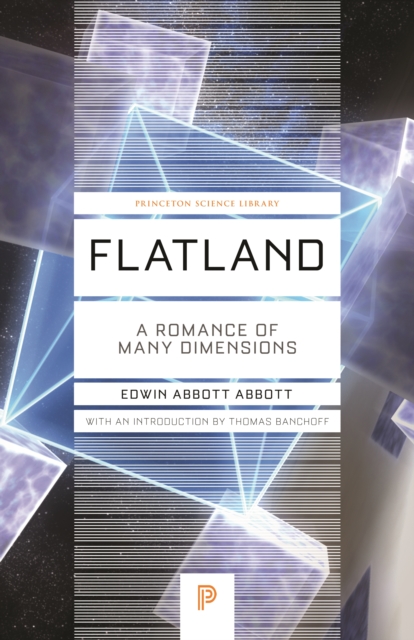
In 1884, Edwin Abbott Abbott wrote a mathematical adventure set in a two-dimensional plane world, populated by a hierarchical society of regular geometrical figures-who think and speak and have all too human emotions.
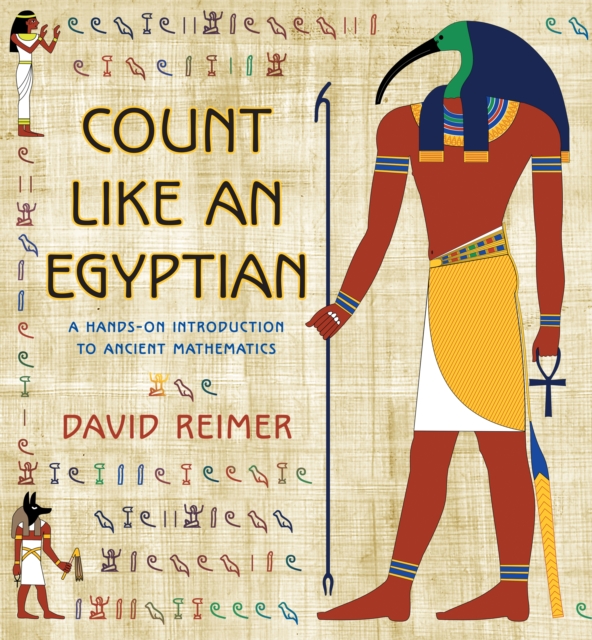
A lively collection of fun and challenging problems in ancient Egyptian mathThe mathematics of ancient Egypt was fundamentally different from our math today.
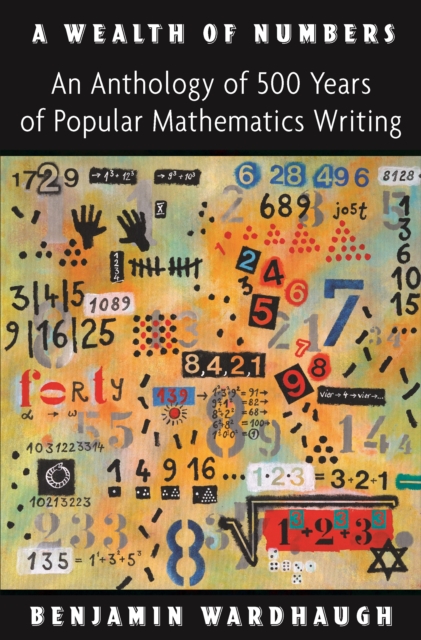
An entertaining and informative anthology of popular math writing from the Renaissance to cyberspaceDespite what we may sometimes imagine, popular mathematics writing didn't begin with Martin Gardner.
From rainbows, river meanders, and shadows to spider webs, honeycombs, and the markings on animal coats, the visible world is full of patterns that can be described mathematically.
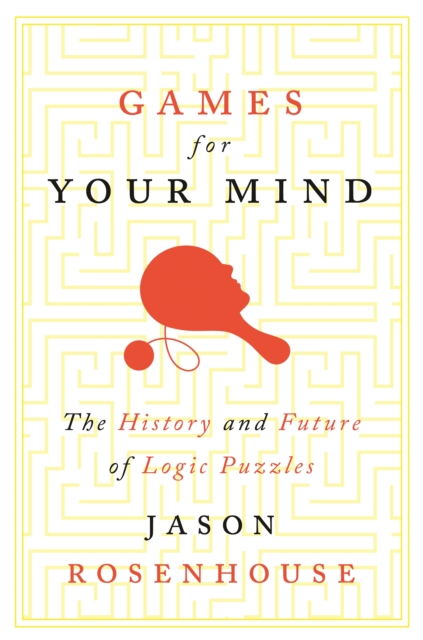
A lively and engaging look at logic puzzles and their role in mathematics, philosophy, and recreationLogic puzzles were first introduced to the public by Lewis Carroll in the late nineteenth century and have been popular ever since.
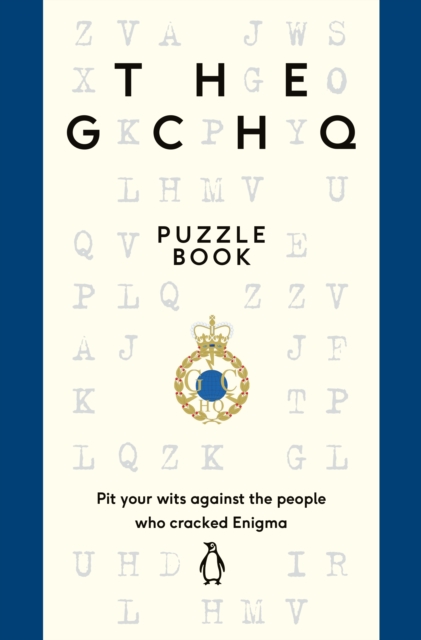
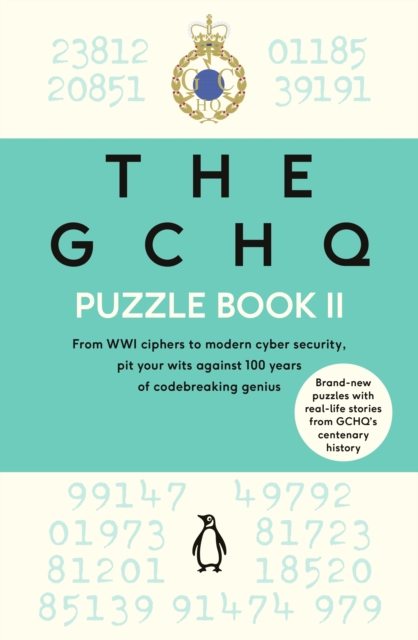
Train your brain with these fiendishly difficult puzzles, the perfect companion for anyone wanting to keep their mind busy'Fiendishly tricky' Daily MailWith their first bestselling book, The GCHQ Puzzle Book, the UK's intelligence and security experts tested us with puzzles, codes and real-life entrance tests from their archives.
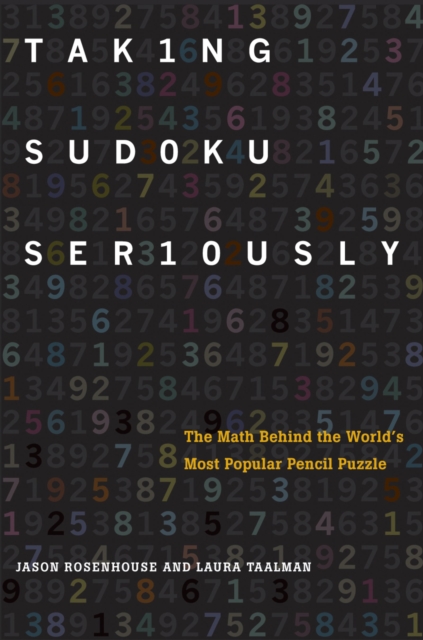
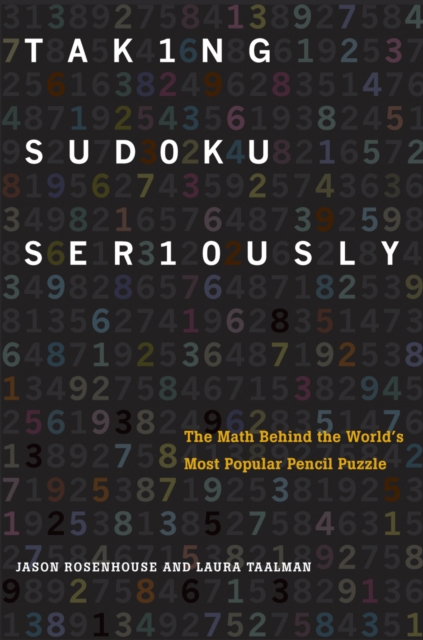
Packed with more than a hundred color illustrations and a wide variety of puzzles and brainteasers, Taking Sudoku Seriously uses this popular craze as the starting point for a fun-filled introduction to higher mathematics.
Packed with more than a hundred color illustrations and a wide variety of puzzles and brainteasers, Taking Sudoku Seriously uses this popular craze as the starting point for a fun-filled introduction to higher mathematics.
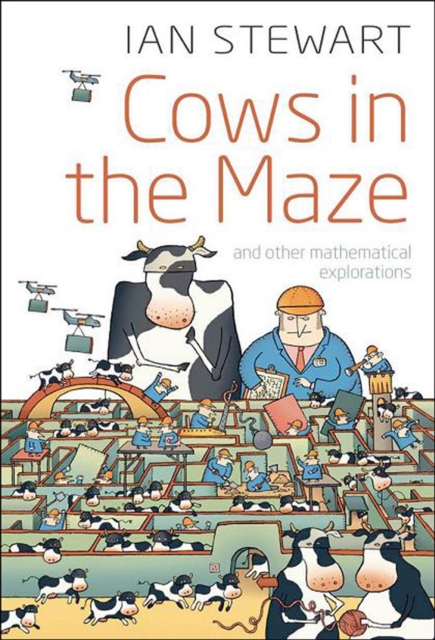
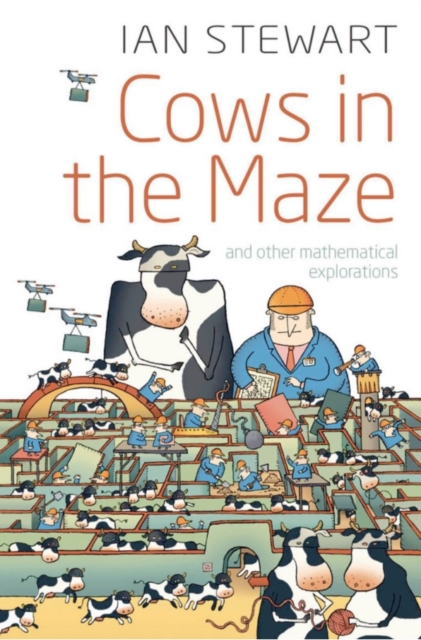
From the mathematics of mazes, to cones with a twist, and the amazing sphericon - and how to make one - Ian Stewart is back with more mathematical stories and puzzles that are as quirky as they are fascinating, and each from the cutting edge of the world of mathematics.
From the mathematics of mazes, to cones with a twist, and the amazing sphericon - and how to make one - Ian Stewart is back with more mathematical stories and puzzles that are as quirky as they are fascinating, and each from the cutting edge of the world of mathematics.
The importance of mathematics competitions has been widely recognised for three reasons: they help to develop imaginative capacity and thinking skills whose value far transcends mathematics; they constitute the most effective way of discovering and nurturing mathematical talent; and they provide a means to combat the prevalent false image of mathematics held by high school students, as either a fearsomely difficult or a dull and uncreative subject.
In 1884, Edwin Abbott Abbott wrote a mathematical adventure set in a two-dimensional plane world, populated by a hierarchical society of regular geometrical figures-who think and speak and have all too human emotions.
An entertaining and informative anthology of popular math writing from the Renaissance to cyberspaceDespite what we may sometimes imagine, popular mathematics writing didn't begin with Martin Gardner.