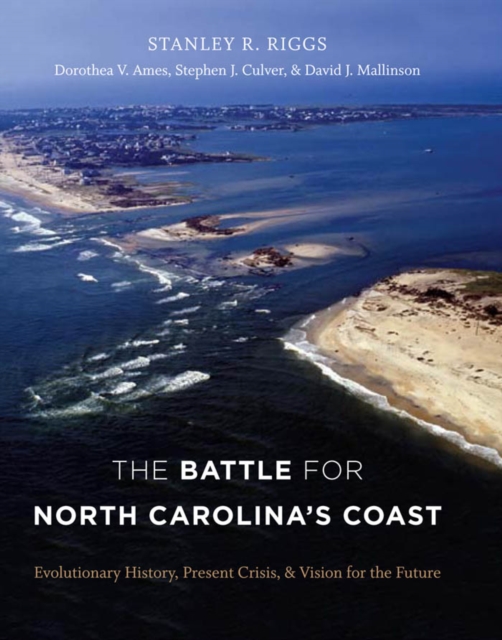
The North Carolina barrier islands, a 325-mile-long string of narrow sand islands that forms the coast of North Carolina, are one of the most beloved areas to live and visit in the United States.
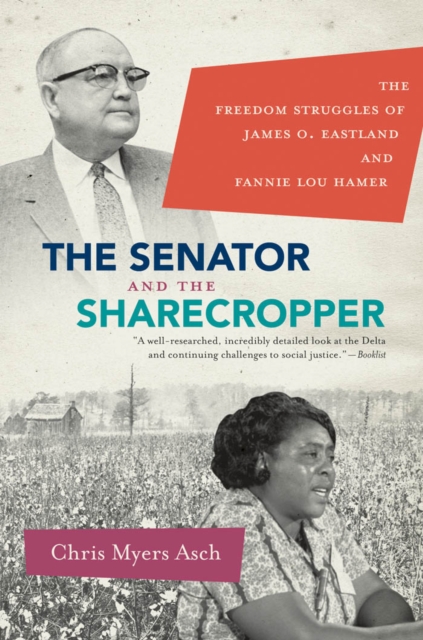
In this fascinating study of race, politics, and economics in Mississippi, Chris Myers Asch tells the story of two extraordinary personalities - Fannie Lou Hamer and James O.
Scarletts Sisters explores the meaning of nineteenth-century southern womanhood from the vantage point of the celebrated fictional characters flesh-and-blood counterparts: young, elite, white women.
In this study of Birmingham's iron and steel workers, Henry McKiven unravels the complex connections between race relations and class struggle that shaped the city's social and economic order.
Between 1940 and 1975, Mexican Americans and African Americans in Texas fought a number of battles in court, at the ballot box, in schools, and on the streets to eliminate segregation and state-imposed racism.
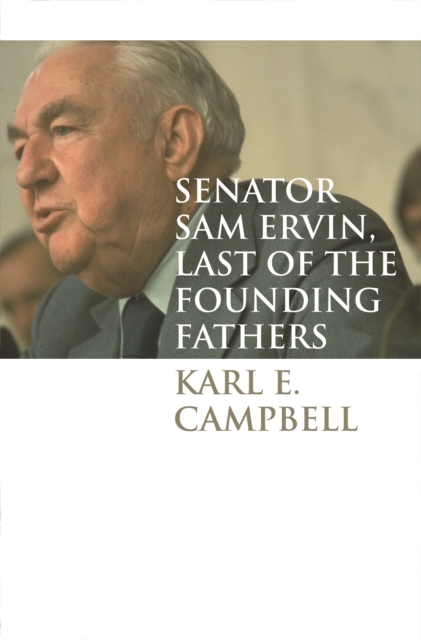
Many Americans remember Senator Sam Ervin (18961985) as the affable, Bible-quoting, old country lawyer who chaired the Senate Watergate hearings in 1973.
Through an analysis of womens reform, domestic worker activism, and cultural values attached to public and private space, Vanessa May explains how and why domestic workers, the largest category of working women before 1940, were excluded from labor protections that formed the foundation of the welfare state.
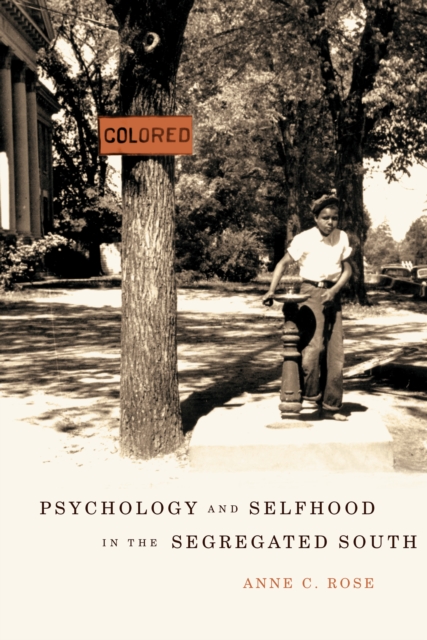
In the American South at the turn of the twentieth century, the legal segregation of the races and psychological sciences focused on selfhood emerged simultaneously.
Focusing on globalization in the late nineteenth and early twentieth centuries, Jessica Teisch examines the processes by which American water and mining engineers who rose to prominence during and after the California Gold Rush of 1849 exported the United States' growing technical and environmental knowledge and associated social and political institutions.
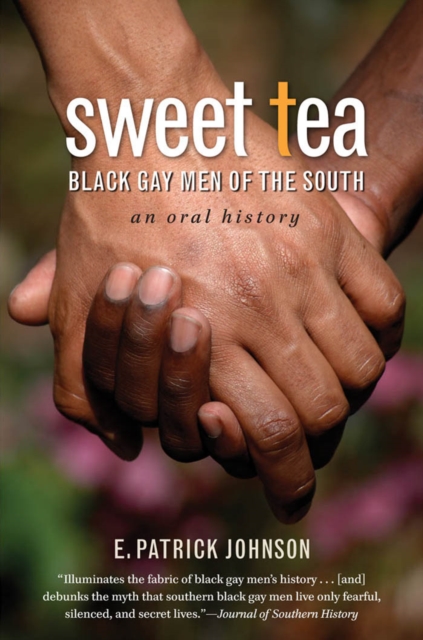
Giving voice to a population too rarely acknowledged, Sweet Tea collects more than sixty life stories from black gay men who were born, raised, and continue to live in the South.
Southend-on-Sea is situated on the Thames Estuary but the originally small settlement grew rapidly in the late eighteenth and nineteenth centuries as it became a popular resort, showcased by the world's longest pleasure pier and what remains of the Kursaal, an early amusement park.
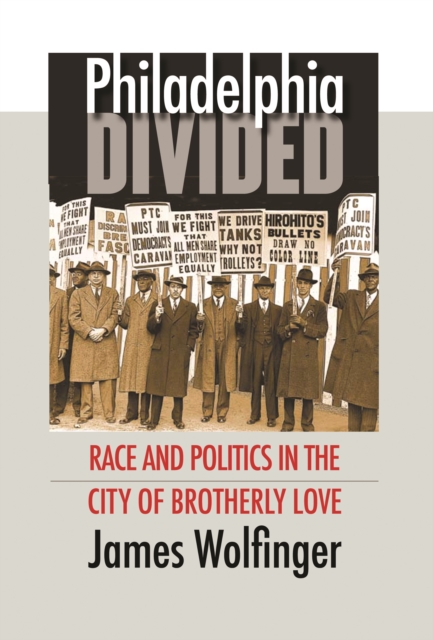
In a detailed study of life and politics in Philadelphia between the 1930s and the 1950s, James Wolfinger demonstrates how racial tensions in working-class neighborhoods and job sites shaped the contours of mid-twentieth-century liberal and conservative politics.
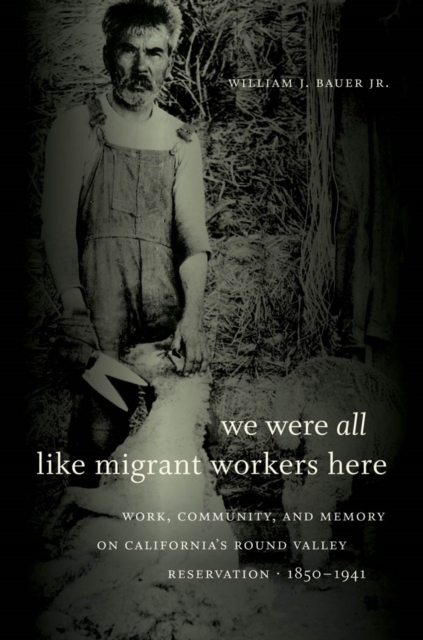
The federally recognized Round Valley Indian Tribes are a small, confederated people whose members today come from twelve indigenous California tribes.
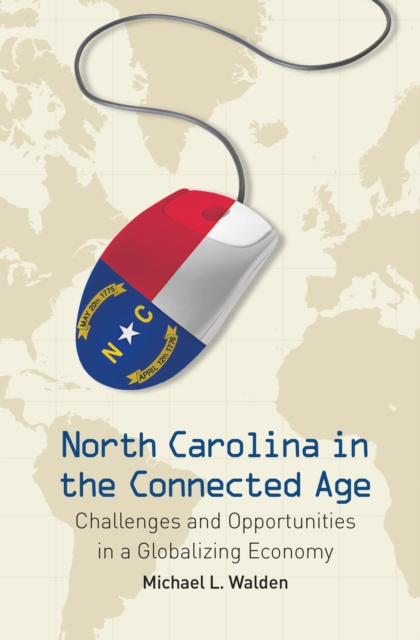
At a time when North Carolinas population is exploding and its economy is shifting profoundly, one of the states leading economists applies the tools of his trade to chronicle these changes and to inform North Carolinians in easy-to-understand terms what to expect in the future.
Scarletts Sisters explores the meaning of nineteenth-century southern womanhood from the vantage point of the celebrated fictional characters flesh-and-blood counterparts: young, elite, white women.
Many Americans remember Senator Sam Ervin (18961985) as the affable, Bible-quoting, old country lawyer who chaired the Senate Watergate hearings in 1973.
Focusing on globalization in the late nineteenth and early twentieth centuries, Jessica Teisch examines the processes by which American water and mining engineers who rose to prominence during and after the California Gold Rush of 1849 exported the United States' growing technical and environmental knowledge and associated social and political institutions.
Giving voice to a population too rarely acknowledged, Sweet Tea collects more than sixty life stories from black gay men who were born, raised, and continue to live in the South.
In this study of Birmingham's iron and steel workers, Henry McKiven unravels the complex connections between race relations and class struggle that shaped the city's social and economic order.
In a detailed study of life and politics in Philadelphia between the 1930s and the 1950s, James Wolfinger demonstrates how racial tensions in working-class neighborhoods and job sites shaped the contours of mid-twentieth-century liberal and conservative politics.
The North Carolina barrier islands, a 325-mile-long string of narrow sand islands that forms the coast of North Carolina, are one of the most beloved areas to live and visit in the United States.
In this fascinating study of race, politics, and economics in Mississippi, Chris Myers Asch tells the story of two extraordinary personalities - Fannie Lou Hamer and James O.
Through an analysis of womens reform, domestic worker activism, and cultural values attached to public and private space, Vanessa May explains how and why domestic workers, the largest category of working women before 1940, were excluded from labor protections that formed the foundation of the welfare state.
Between 1940 and 1975, Mexican Americans and African Americans in Texas fought a number of battles in court, at the ballot box, in schools, and on the streets to eliminate segregation and state-imposed racism.
In the American South at the turn of the twentieth century, the legal segregation of the races and psychological sciences focused on selfhood emerged simultaneously.
At a time when North Carolinas population is exploding and its economy is shifting profoundly, one of the states leading economists applies the tools of his trade to chronicle these changes and to inform North Carolinians in easy-to-understand terms what to expect in the future.
The federally recognized Round Valley Indian Tribes are a small, confederated people whose members today come from twelve indigenous California tribes.
Like a rumpled wool blanket, the Nebraska Sandhills spreads out over twenty thousand square miles of north central Nebraska and is the largest stabilized dune field in the Western Hemisphere.
For at least two centuries, the Souths economy, politics, religion, race relations, fiction, music, foodways and more have figured prominently in nearly all facets of American life.
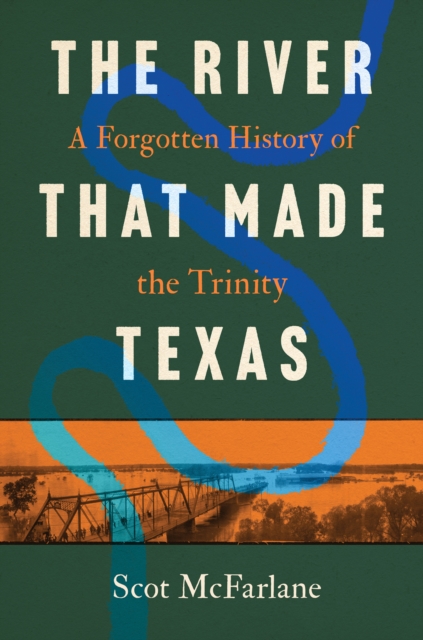
Today, half of Texass expanding population, including the cities of Dallas, Fort Worth, and Houston, depends on the Trinity River, a river that has shaped the states politics, economy, and environment for centuries.
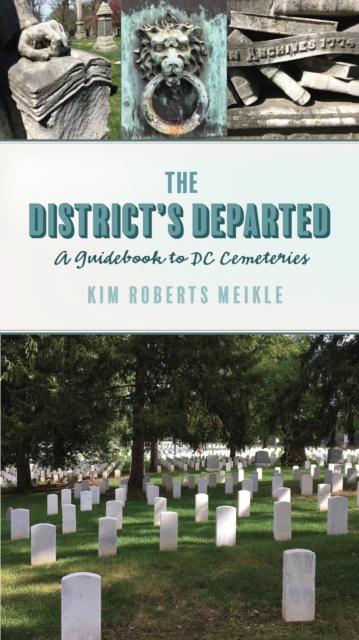
The definitive guidebook to celebrated and obscure cemeteries in and around the nation's capitalPerfect for the "e;tombstone tourist,"e; this guidebook to eleven cemeteries in and around the District of Columbia offers informative walking tours of these places of repose and reflection, mapping each cemetery's distinct character derived from the landscape, the local community, and the historical era in which it was established, and showcasing exquisite artistic and architectural styles.