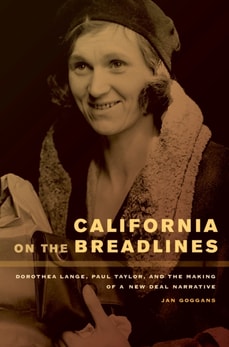
California on the Breadlines is the compelling account of how Dorothea Lange, the Great Depression's most famous photographer, and Paul Taylor, her labor economist husband, forged a relationship that was private-they both divorced spouses to be together-collaborative, and richly productive.
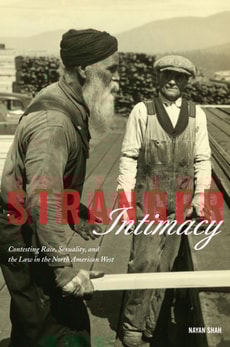
In exploring an array of intimacies between global migrants Nayan Shah illuminates a stunning, transient world of heterogeneous social relations-dignified, collaborative, and illicit.
This is the first comprehensive environmental history of California's Great Central Valley, where extensive freshwater and tidal wetlands once provided critical habitat for tens of millions of migratory waterfowl.
Yoga classes and Zen meditation, New-Age retreats and nature mysticism-all are part of an ongoing religious experimentation that has surprisingly deep roots in American history.
On July 23, 1967, the eyes of the world fixed on Detroit, as thousands took to the streets to vent their frustrations with white racism, police brutality, and vanishing job prospects in the place that gave rise to the American Dream.
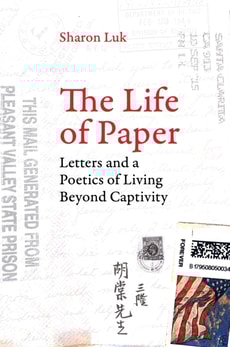
The Life of Paper offers a wholly original and inspiring analysis of how people facing systematic social dismantling have engaged letter correspondence to remake themselvesfrom bodily integrity to subjectivity and collective and spiritual being.
From the landing of Federal troops at the Tennessee-Ohio confluence to the new river of the TVA, whose dams "e;stand athwart the valley in Egyptian impassivity,"e; this volume completes the story of the transformation of a river and of the culture it nourished.
This is the new story of the Old West, told by ten historians who dare to reenvision the American West and knock the field of Western history on its ear.
In this lively history and celebration of the Pacific razor clam, David Berger shares with us his love affair with the glossy, gold-colored Siliqua patula and gets into the nitty-gritty of how to dig, clean, and cook them using his favorite recipes.
For decades, civil rights activists fought against employment discrimination and for a greater role for African Americans in municipal decision-making.
Depictions of the American west in literature, art and film perpetuate romantic stereotypes of the pioneers--the gold-crazed '49er, the intrepid sodbuster.
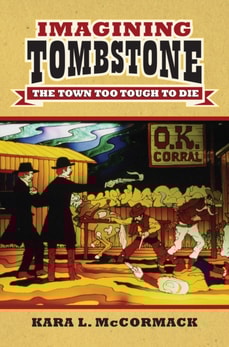
Raised on Gunsmoke, Bat Masterson, and The Life and Legend of Wyatt Earp, we know what it means to get outta Dodgeto make a hasty escape from a dangerous place, like the Dodge City of Wild West lore.
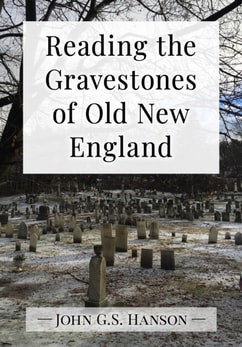
The graveyards of old New England hold an incredible range of poetic messages in the epitaphs etched into the gravestones, each a profound expression of emotion, culture, religion, and literature.
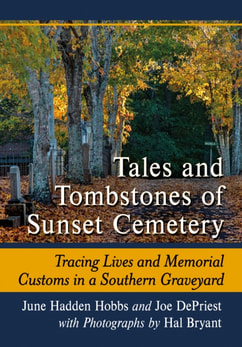
This book relates the stories and describes the memorials of the people buried in Shelby, North Carolina's historic Sunset Cemetery, a microcosm of the Southeastern United States.
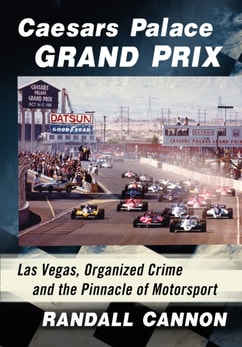
The path of Grand Prix racing in America wound through raceways at Sebring, Riverside, Watkins Glen, Long Beach, and finally Caesars Palace in Las Vegas.
The book provides a comprehensive history of the third-largest Jewish community in Britain and fills an acknowledged gap in both Jewish and urban historiography.
In the years before World War I, Montana cowboy Fred Barton was employed by Czar Nicholas II to help establish a horse ranch--the largest in the world--in Siberia to supply the Russian military.
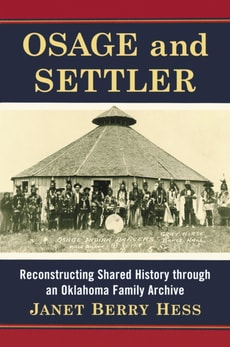
Drawing on a rare family archive and archival material from the Osage Nation, this book documents a unique relationship among white settlers, the Osage and African Americans in Oklahoma.
From its occupation by the Romans, through its development as an internationally renowned centre of learning, to its current status as one of the world's leading technology hubs, Cambridge has a proud and distinctive identity.
The book provides a comprehensive history of the third-largest Jewish community in Britain and fills an acknowledged gap in both Jewish and urban historiography.