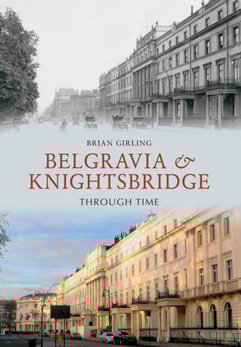
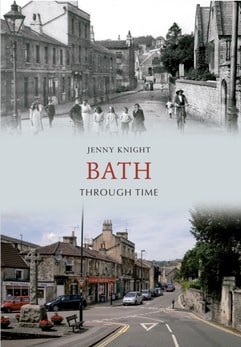
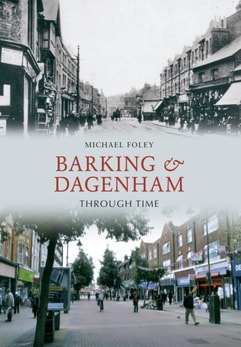
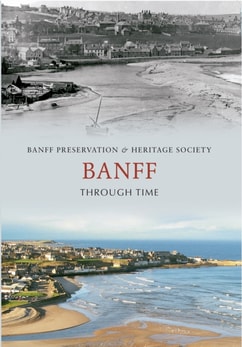
Old photographs allow us to relive the past a little and this excellent collection of more than 200 photographs of Blackburn will bring back memories for many.
In the eighteenth and nineteenth centuries, punishment was intended to be a short, sharp shock, often administered in public to discourage others from committing similar crimes.
Although Birmingham has been a city from the time when Queen Victoria granted city status in 1889 most citizens (Brummies) still refer to Birmingham as a town.
As the nineteenth century progressed, shorter working weeks brought more leisure time and improved opportunities to promote and take part in sport and entertainment.
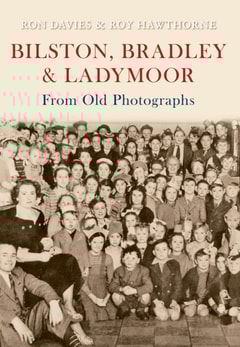
While the roots of our history in the places mentioned here lie mainly in the late eighteenth and nineteenth centuries, we feel more content with our recent tangible past, especially through the magic of photographs, where we can identify old streets, houses, workplaces, schoolrooms, faces of old friends, our parents, grandparents and scenes that have been hidden away in the dark corners of our minds.
This lavishly illustrated book covers Barnard Castle, Middleton-in-Teesdale and a selection of Teesdale villages including Piercebridge, Gainford, Staindrop, Greta Bridge, Cotherstone, Romaldkirk and Mickleton.
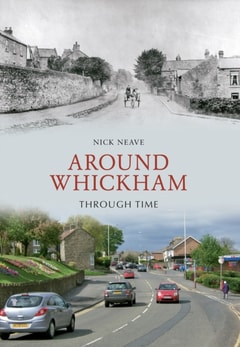
The towns and villages of Whickham, Sunniside, Marley Hill, Lobley Hill, Swalwell, and Dunston have long been linked, not just geographically and politically, but also by their long association with the coal-mining industry.
Around Haslemere and Hindhead From Old Photographs offers a fascinating glimpse into life in the southA ]west corner of Surrey over the last hundred years or so.
Around Fareham From Old Photographs offers a captivating glimpse into the history of the area surrounding the town, providing the reader with a visual representation of Fareham's intriguing and chequered history.
Around Conwy From Old Photographs offers a captivating glimpse into the history of this area, providing the reader with a visual representation of Conwy's intriguing and chequered history.
Around Burnham From Old Photographs offers a captivating glimpse into the history of this area, providing the reader with a visual representation of Burnham's lively and charming history.
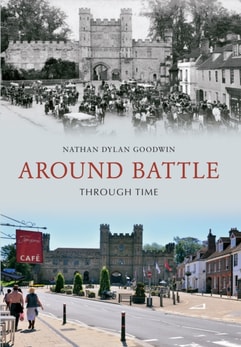
The small Sussex town of Battle owes its very name and creation to the famous Battle of Hastings which took place here in 1066; the most decisive and important battle to have ever taken place in England.
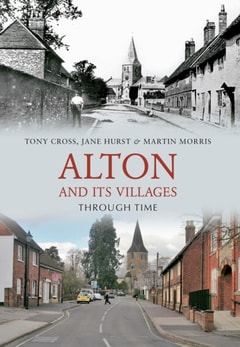
Alton has been a market centre for the villages that surround it for many hundreds of years and these two pictures show the changes that have taken place in the last 100 years.
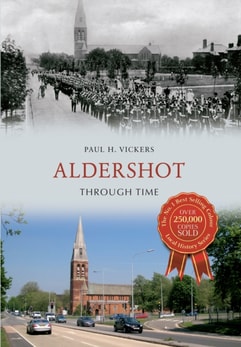
Aldershot is famous as the 'Home of the British Army' and the early character of the town was formed by the choice of the Army to make Aldershot Heath the site of its first permanent training camp.
A revised and updated edition of the late Arnold Kellett's A to Z of Knaresborough History, his intriguing and popular guide to this truly historical town.