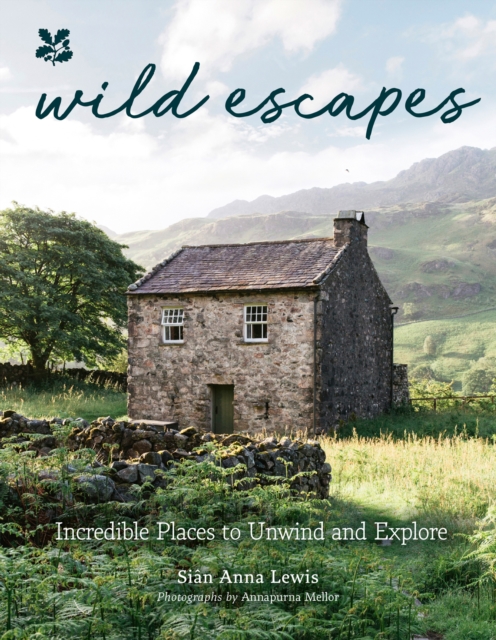
Forty amazing places where you can escape reality and reconnect with natureThese unforgettable locations in Britain's wild corners range from lighthouses to cottages, from bothies to boats.
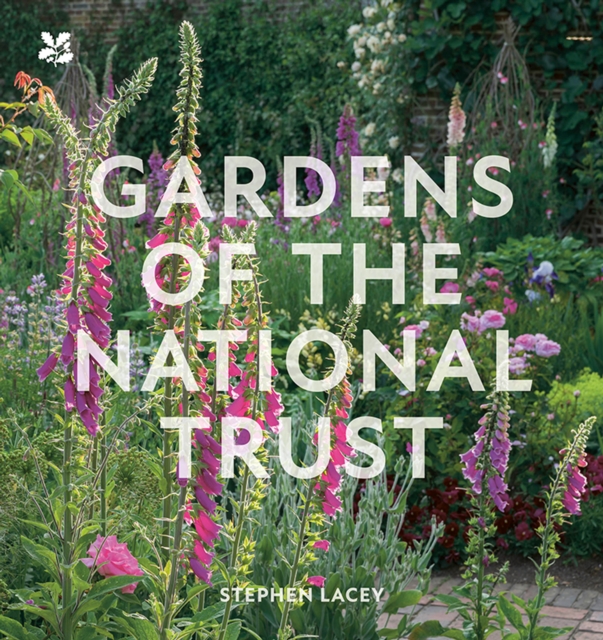
The definitive guide to hundreds of Britain's most outstanding gardens, in the care of the National TrustThe National Trust has the finest collection of gardens in the United Kingdom.
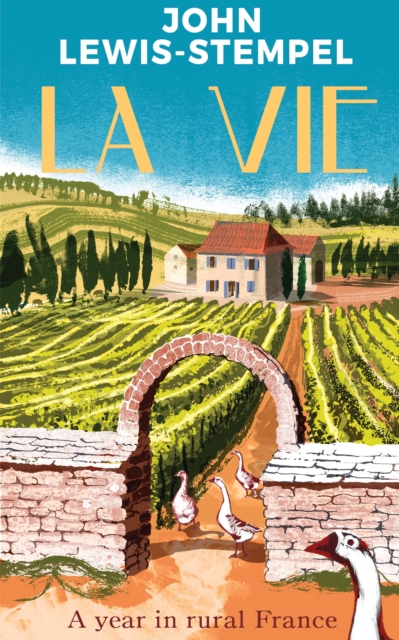
AN INDIE BESTSELLER'It reminded me all over again of why I threw up everything for the magic of La Belle France' Carol Drinkwater, author of The Olive Farm'An utterly beguiling immersion in La France Profonde, keenly observed and beautifully told' Felicity Cloake, author of One More Croissant for the RoadFor fans of Peter Mayle, 'Britain's finest living nature writer' takes the plunge and buys an old farmhouse deep in the French countryside - a perfect slice of sunny escapist joy from the perennial Sunday Times bestseller.
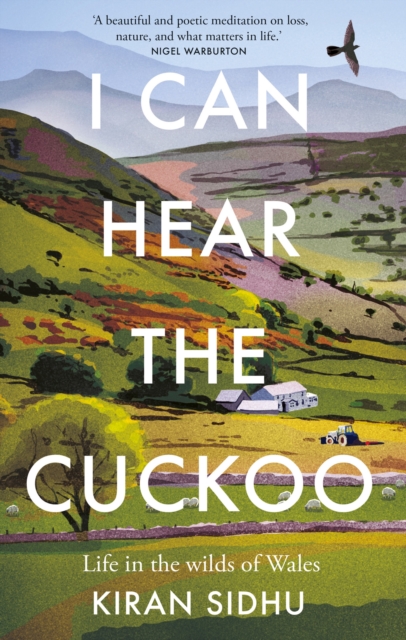
Shortlisted for the 2023 Highland Book Prize'Joyful and mindful, a powerful argument for being still and listening' Sunday TimesA book about birds, birdsong and the countryside they inhabit, from the critically acclaimed author of Raptor.
A Waterstones Travel Book of the Year 2023A funny, warm and timely meditation on identity and belonging, following the scenic route along the England-Wales border: Britain's deepest faultline.
The Nutty IdyllFormer townies Giles and Mary swapped city life for rural Wiltshire over thirty years ago, and they've each embraced it in their own very different ways.
Shortlisted for the Edward Stanford Travel Book of the Year Award 2024A fascinating, lyrical account of an east-west walk across Britain's westernmost and most mysterious region.
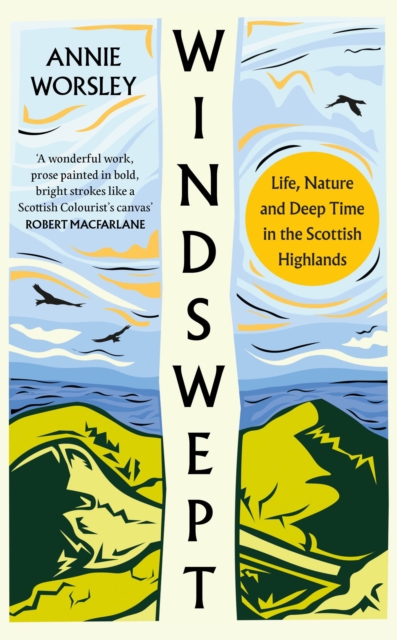
'Windswept is a wonderful work, prose painted in bold, bright strokes like a Scottish Colourist's canvas' ROBERT MACFARLANE'An instant classic of British nature-writing' SUNDAY TELEGRAPHA few years ago, Annie Worsley traded a busy life in academia to take on a small-holding or croft on the west coast of Scotland.
BOOK 2 IN THE BESTSELLING CANON CLEMENT MYSTERY SERIES'The best of the new cosy crime writers' Daily Telegraph'First-class entertainment' Daily MirrorIt's been a few months since murder tore apart the community of Champton apart.
Axel Lindén hat gewagt, wovon viele Großstädter heute träumen: Alles hinter sich lassen und auf dem Land ein ganz einfaches, naturverbundenes Leben führen.
Hacía mucho tiempo que Cari Michaels sabía que Reed Preston era el hombre de su vida, además de ser su jefe y estar al frente de unos grandes almacenes familiares.
A Simple Soul Gustave Flaubert - A Simple Soul, written by legendary author Gustave Flaubert is widely considered to be one of the greatest books of all time.
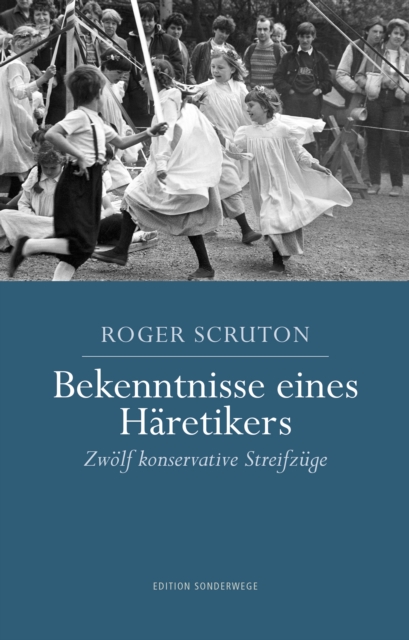
Während der Zeitgeist einmal mehr nach Utopia entwischt, betrachtet Roger Scruton die sitzengelassene Gegenwart: in zwölf Essays denkt er nach übers Regieren, Bauen und Tanzen, über das Sprechen vom Unsagbaren, über Trauern und Sterben, darüber, wie so getan wird, als ob, wie Leute sich hinterm Bildschirm verstecken, wie Tiere geliebt und Etiketten geklebt werden, über das Bewahren der Natur und die Verteidigung des Westens.
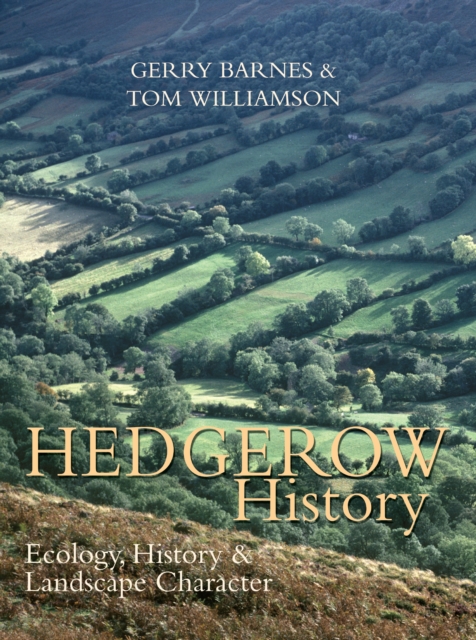
Oxbow says: For many years hedges have been the most common field boundary in rural Britain, providing a stock-proof barrier, a field boundary and a haven for wildlife.
Oxbow says: For many years hedges have been the most common field boundary in rural Britain, providing a stock-proof barrier, a field boundary and a haven for wildlife.
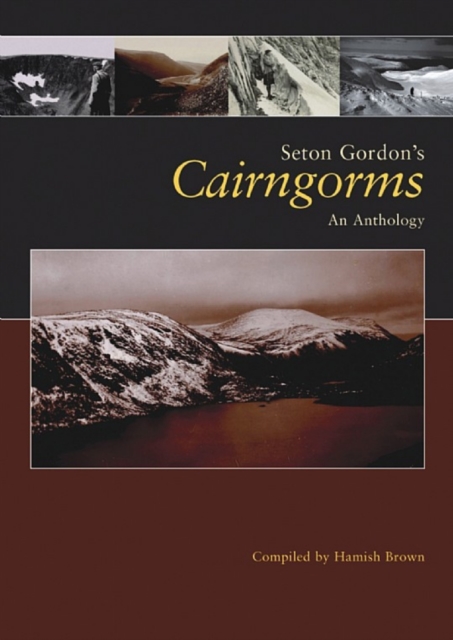
Seton Gordon really created himself as naturalist, photographer and writer, the first such in the country, his first book appearing when he was eighteen.
THE MULTIMILLION-COPY BESTSELLING QUEEN OF CLASSIC CRIME, DOROTHY L SAYERS_____________________________________________________________________'An all-time classic whodunnit' Reader Review 'The best detective story writer of her generation' Reader Review 'Dorothy L.